The Surprising Power of Shoe Horns in Our Daily Lives

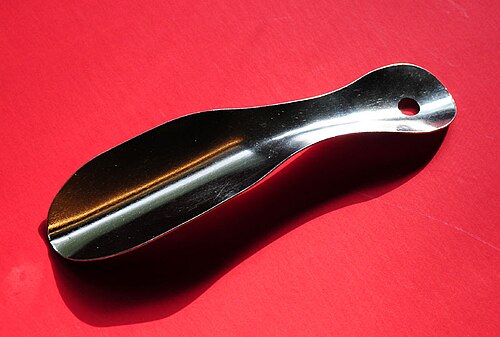
Shoe horns have quietly remained one of the most practical inventions people use every day, even if many younger generations barely recognize them anymore.
At first glance, they may look like an odd or outdated object, but their purpose is surprisingly useful. The internet recently became fascinated by this simple tool after many people admitted they had no idea what it was. Once explained, however, the mystery suddenly made sense.
For centuries, shoe horns have helped people slide their feet into shoes without damaging the heel area. While the idea may seem simple, the impact has been surprisingly important.
Shoes last longer, putting them on becomes easier, and users avoid unnecessary strain on both their footwear and their bodies. That combination of comfort and practicality is exactly why shoe horns have survived for hundreds of years.
The story behind shoe horns stretches all the way back to the 15th century. During that time, people relied on handmade tools crafted from natural materials that were easy to find.
Skilled artisans commonly used animal horn, bone, or wood to shape the first versions. These early shoe horns were not designed to look luxurious at first.
Their main purpose was functionality. People needed an easier way to put on shoes without crushing or bending the heel.
At the time, shoes were often expensive and difficult to replace. Preserving them mattered. A damaged heel could shorten the life of footwear, which made shoe horns more valuable than many people today might expect. The tool allowed users to guide their foot smoothly into the shoe while keeping the back structure intact.
Even in their earliest forms, shoe horns reflected craftsmanship and attention to detail.
Many were carefully carved by hand, showing how much importance people placed on durable household objects. While simple in design, they represented practical innovation during a period when everyday items were built to last.
As the centuries passed, shoe horns evolved along with manufacturing techniques and changing lifestyles. The Industrial Revolution played a major role in transforming these tools. Instead of relying only on wood or bone, manufacturers began producing shoe horns using stronger materials such as brass and steel.
These newer materials increased durability and made shoe horns more reliable for long term use. Metal versions became especially popular because they resisted wear better than earlier designs.
At the same time, industrial production allowed more people to own them. What was once a handmade household item slowly became more accessible to wider social classes.
During the 19th and 20th centuries, shoe horns continued to change. Plastic and synthetic materials entered the market, making production cheaper and faster. This lowered costs significantly and helped shoe horns become common household tools rather than luxury accessories.
Still, not all shoe horns focused purely on practicality. Some became decorative pieces designed for wealthy families and collectors. Certain versions were made from silver and featured detailed engravings or ornate handles. These luxury shoe horns reflected the artistic styles and social status of their owners.
In many upper class homes, decorative shoe horns were treated almost like art pieces. Their appearance mattered as much as their function. Craftsmen created elegant designs that showcased both creativity and technical skill. These versions demonstrated how even ordinary objects could become symbols of taste and sophistication.
Today, antique shoe horns continue to attract collectors who appreciate historical craftsmanship. Many vintage pieces reveal extraordinary detail, from engraved patterns to beautifully shaped handles. Some collectors value them because they represent the history of fashion and household design. Others simply admire the level of artistry found in objects that were once considered everyday necessities.
Despite changes in materials and appearance, the basic purpose of shoe horns has remained exactly the same for hundreds of years. Their primary function is to help people put on shoes more easily while protecting the structure of the heel.
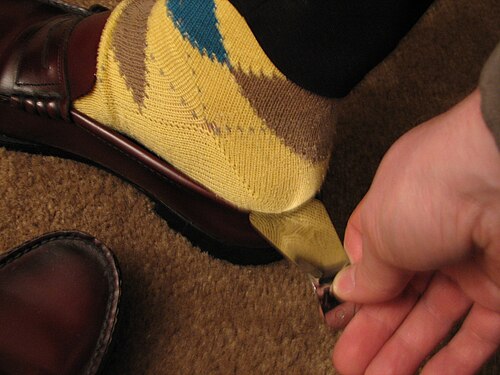
Without shoe horns, many people force their foot into the shoe by crushing the heel counter. Over time, this weakens the back portion of the shoe and causes it to lose shape. Once the heel becomes bent or damaged, the shoe often feels less comfortable and wears out more quickly.
Shoe horns prevent this problem by creating a smooth surface that guides the foot directly into place. Instead of folding the heel inward, the foot slides naturally into the shoe. This small adjustment can significantly extend the life of footwear.
This benefit becomes especially important for high quality shoes that people want to preserve for years. Expensive leather shoes, formal footwear, and certain boots often have stiffer heel structures that can easily become damaged through repeated force. Using shoe horns helps maintain their original shape and appearance.
Many people also find shoe horns useful simply because they make daily routines more convenient. Tight shoes or narrow openings can sometimes make dressing frustrating, especially during busy mornings. A shoe horn reduces that struggle and allows the shoe to slide on with far less effort.
Different styles of shoe horns exist to suit different needs and lifestyles. Some are short and compact, designed for easy storage or travel. These portable versions fit comfortably into bags or luggage, making them practical for people who are often on the move.
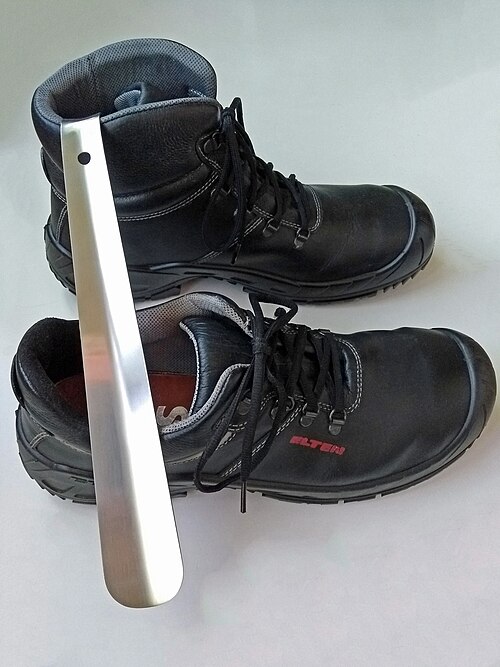
Long handled shoe horns serve another important purpose. They are especially useful for people with limited mobility or those who struggle to bend down comfortably. Instead of crouching or sitting, users can remain standing while putting on their shoes.
For older adults, individuals recovering from injuries, or people with physical limitations, this feature can make a noticeable difference in daily comfort. Something as small as reducing the need to bend repeatedly may help make everyday activities easier and less physically demanding.
The popularity of long handled shoe horns highlights an important truth about great inventions. Sometimes the most effective innovations are not the most complicated. Instead, they solve ordinary problems in simple and practical ways.
That idea may explain why shoe horns continue to survive despite changing trends and modern technology. Countless inventions disappear after a few years, but shoe horns remain useful because the problem they solve still exists.
Shoes themselves have changed dramatically over the centuries, yet many people still struggle with tight openings, stiff heels, and uncomfortable positioning when putting them on. Shoe horns continue to offer the same practical solution they provided hundreds of years ago.
The recent online fascination with shoe horns shows how disconnected some people have become from traditional everyday tools. Younger audiences especially were surprised to discover that this strange looking object had such a practical purpose.
For many viewers, the shape of shoe horns seemed confusing at first. Some guessed they were kitchen utensils or decorative items. Others believed they were connected to fashion accessories without understanding their actual use.
Once explained, however, the reaction quickly shifted from confusion to appreciation. Many people admitted they had seen shoe horns before but never realized what they were called or how they worked.
That viral reaction demonstrates something interesting about modern culture. Everyday objects that older generations considered normal can suddenly appear mysterious to younger audiences who did not grow up using them regularly.
At the same time, this renewed curiosity also introduced many people to the practical benefits of shoe horns for the first time. Some viewers even commented that they planned to start using one after learning how helpful it could be.
Part of the appeal behind shoe horns lies in their simplicity. Modern society often celebrates advanced technology and digital convenience, yet some of the most effective tools remain extremely basic.
Shoe horns require no batteries, no charging, and no complicated instructions. Their design is straightforward and functional. That simplicity has allowed them to survive generation after generation without becoming obsolete.
Another reason shoe horns remain relevant is because they help protect investments in footwear. Good shoes can be expensive, especially those made from leather or premium materials. People who care about maintaining their appearance often use shoe horns as part of proper shoe care.
Preserving the heel structure helps shoes maintain their shape for longer periods. This not only improves appearance but can also support comfort. Once the back of a shoe becomes crushed repeatedly, the fit may change and create discomfort while walking.
Shoe horns reduce that wear by minimizing unnecessary pressure during the process of putting shoes on. Over time, this simple habit can help extend the lifespan of footwear considerably.
Collectors continue to value antique shoe horns because they offer insight into historical craftsmanship and changing social trends. Vintage shoe horns often reveal details about the era in which they were made.
Some feature elegant silver finishes, while others display detailed carvings or ornate handles. These artistic elements transformed functional objects into decorative household pieces.
In earlier centuries, craftsmanship was often visible in even the smallest household items. Shoe horns became an example of that mindset. Rather than producing objects purely for function, artisans frequently added beauty and personality to practical tools.
For collectors today, antique shoe horns represent more than simple accessories. They provide a glimpse into historical lifestyles and artistic traditions. Every design choice reflects the tastes, technologies, and cultural influences of its period.
At the same time, many modern users continue to appreciate shoe horns for purely practical reasons. Their daily usefulness has never disappeared.
Some people use shoe horns because they want to avoid damaging expensive shoes. Others use them because they experience back pain or reduced flexibility. Some simply enjoy the convenience of slipping shoes on quickly without effort.
No matter the reason, the continued popularity of shoe horns proves that useful inventions do not always need dramatic redesigns. In many cases, the original concept remains effective because it solves a problem directly and efficiently.
The internet’s recent fascination with shoe horns also sparked conversations about forgotten household tools in general. Many people realized there are countless traditional objects whose purposes have slowly faded from common knowledge.
This happens often as lifestyles change and technology replaces older routines. Certain tools become less visible over time, especially if newer generations are not taught how they were used.
Yet shoe horns have managed to survive better than many other traditional household items. Their usefulness still applies to modern life, especially for people who wear structured footwear regularly.
Even athletic shoes and sneakers can sometimes benefit from shoe horns, particularly when the heel area is stiff or narrow. Using one can help preserve shape and reduce unnecessary wear.
In professional settings, shoe horns remain especially common among people who wear formal shoes daily. Business professionals, collectors of quality footwear, and fashion enthusiasts often consider them part of standard shoe care.
Luxury shoe brands and menswear stores frequently recommend shoe horns because preserving the heel structure is important for maintaining the appearance and lifespan of premium shoes.
This connection between shoe care and shoe horns has existed for centuries. Even as styles changed from leather boots to modern loafers and sneakers, the importance of protecting footwear remained consistent.
The continued use of shoe horns also reflects a broader appreciation for practical habits that save money over time. Replacing damaged shoes repeatedly can become expensive. Small preventative habits often make a bigger difference than people initially realize.
A shoe horn may appear insignificant, but it helps reduce stress on one of the most vulnerable parts of a shoe. Over months or years of repeated use, that protection adds up.
Many people who begin using shoe horns regularly quickly notice the difference. Shoes feel easier to put on, heels maintain their shape longer, and daily routines become slightly smoother.
This may sound minor, but convenience often matters most in the small routines people repeat every day. Tiny improvements can gradually make daily life more comfortable and less frustrating.
That is part of what makes shoe horns such an enduring invention. They are not flashy or revolutionary in appearance, yet they solve a real problem effectively.
The long history of shoe horns also highlights how human needs remain surprisingly consistent across generations. People centuries ago wanted to protect their shoes and make dressing easier. People today still want exactly the same thing.

Although materials and fashion trends have evolved, the basic challenge of slipping into shoes comfortably has never disappeared. Shoe horns continue to provide a solution that is simple, affordable, and reliable.
The renewed online attention surrounding shoe horns may seem amusing at first, but it also serves as a reminder that many classic inventions continue to improve everyday life quietly in the background.
Some innovations completely transform society overnight. Others survive for centuries through steady usefulness. Shoe horns belong to the second category.
Their lasting appeal comes from practicality rather than excitement. They help preserve shoes, improve comfort, reduce physical strain, and simplify everyday routines.
What began centuries ago as a handmade tool crafted from horn, bone, or wood has evolved into a widely available object used by millions of people around the world.
From decorative silver versions owned by wealthy families to lightweight plastic designs used in modern homes, shoe horns have adapted to changing times while keeping the same essential purpose.
That consistency is part of what makes them remarkable. Very few inventions remain useful for hundreds of years without requiring major changes.
The recent internet fascination with shoe horns proves that even ordinary objects can still capture attention when people rediscover their value. What once seemed like a strange mystery quickly revealed itself as one of the simplest and smartest tools many people never realized they needed.
In the end, shoe horns represent more than just a practical accessory. They reflect the lasting power of thoughtful design, craftsmanship, and everyday convenience.
For a tool that many people overlook, shoe horns have certainly earned their place in history.