
How Much Money Would Everyone Get If Elon Musk Shared His $1.4 Trillion Fortune?

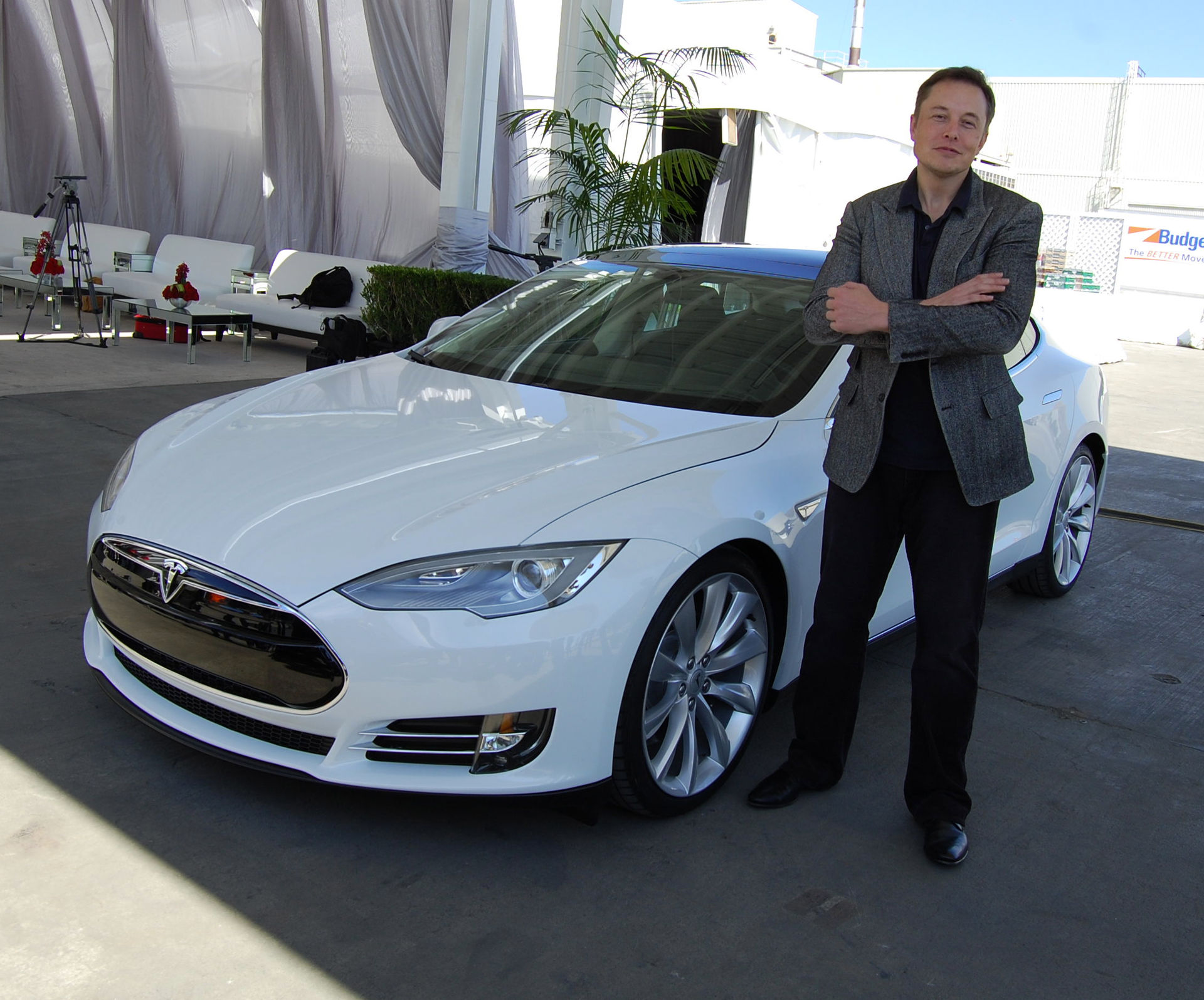
The $1.4 trillion fortune of Elon Musk has sparked a viral question: if it were shared equally across the world’s population, how much would each person receive?
The massive increase follows the strong performance of his companies, particularly the success surrounding SpaceX’s recent Initial Public Offering (IPO), which significantly boosted the value of his business empire.
According to Forbes, the surge in SpaceX’s valuation pushed Musk’s estimated net worth to around $1.4 trillion. It is an eye-popping number, but there is an important catch. Nearly all of that wealth exists on paper rather than as cash sitting in a bank account.
When people hear that someone is worth over a trillion dollars, it is easy to imagine endless stacks of money. In reality, that is not how billionaire wealth works.
Net worth measures the total value of someone’s assets after subtracting debts. For people like Musk, those assets include company shares, private investments, real estate, and stock options.
That means the majority of his fortune is tied directly to businesses such as SpaceX and Tesla. Selling enough shares to turn that wealth into cash would likely drive stock prices down, reducing the overall value in the process.
So while the $1.4 trillion estimate helps illustrate the scale of Musk’s wealth, it does not mean he could simply transfer that amount into a checking account overnight.
Just How Big Is a Trillion-Dollar Fortune?
Numbers this large are difficult to picture, so comparisons help put them into perspective.
For example, Musk could theoretically afford Leonardo da Vinci’s Salvator Mundi, the most expensive painting ever sold, more than 3,100 times. The artwork fetched $450.3 million when it was auctioned.
His reported fortune is also comparable to the total market value of some of the world’s largest corporations, including Meta, Walmart, and pharmaceutical giant Eli Lilly.
Looking at it this way makes it easier to understand that a trillion dollars is not simply “a lot of money.” It is a figure more commonly associated with national economies, government budgets, or some of the biggest companies on the planet.
So, How Much Would Everyone Actually Receive?
This is where the viral calculation gets interesting.
With the global population now sitting at roughly 8.3 billion people, dividing $1.4 trillion equally would give each person around $169.
That number surprises many people.
Considering the enormous headline figure, many expect the payout to be much higher. But once the money is spread across billions of people, the individual amount shrinks dramatically.
For most people, $169 would help pay for groceries, a utility bill, or perhaps a weekend getaway. It certainly would not be enough to buy a Tesla, despite coming from Tesla’s CEO.
The numbers change significantly when fewer people share the money.
Using the current U.S. population of approximately 342.6 million, every American would receive about $4,086.
That amount could cover several months of rent in some areas, eliminate credit card debt for many households, pay for a reliable used car, or contribute toward a home down payment.
It is a reminder that population size plays just as big a role as the total fortune itself.
People often underestimate how quickly even enormous sums of money become diluted.
A trillion dollars sounds almost limitless until it is divided by more than eight billion people. Suddenly, the amount available to each individual becomes far more modest.
That is exactly why this calculation keeps circulating online. It transforms an almost unimaginable number into something people can compare with everyday expenses.
The result also highlights the enormous difference between individual wealth and the size of the world’s population.
Could Someone Actually Give Away That Much Money?
In theory, yes. In practice, it is much more complicated.
Because most of Musk’s fortune exists as ownership in companies, giving away $1.4 trillion would require selling huge portions of those businesses.
Doing so could dramatically reduce share prices and erase part of the wealth itself before all the money was ever distributed.
That is why economists often point out that billionaire net worth should not be confused with available cash.
Another comparison making the rounds online puts the figure into an even more staggering perspective.
Someone earning $100,000 per year would need approximately 14 million years to accumulate $1.4 trillion, assuming every dollar was saved.
That timeline stretches far beyond recorded human history, making it almost impossible to comprehend.
The conversation often goes beyond personal wealth and into global issues.
According to the World Food Programme, ending world hunger by 2030 would require around $93 billion each year.
Over four years, that would total roughly $372 billion, or about one quarter of Musk’s reported net worth.
Of course, this comparison comes with an important disclaimer. Musk’s wealth is largely invested in companies, not sitting in cash that could simply be redirected toward global programs.
Still, the comparison gives people another way to understand just how massive trillion-dollar fortunes have become.
The popularity of this calculation comes down to one simple reason.
Most people cannot truly picture what a trillion dollars looks like.
But telling someone they would receive $169, or roughly $4,086 if they lived in the United States, suddenly makes that unimaginable figure feel real.
It turns an abstract headline into something people can instantly understand.
No one expects Elon Musk to divide his fortune among the world’s population. That has never been the point. The calculation simply offers an easy way to visualize the extraordinary scale of modern billionaire wealth and how even the largest fortunes can look surprisingly small once they are shared across billions of people.