
Corn on the Cob: How Long Should You Boil It?

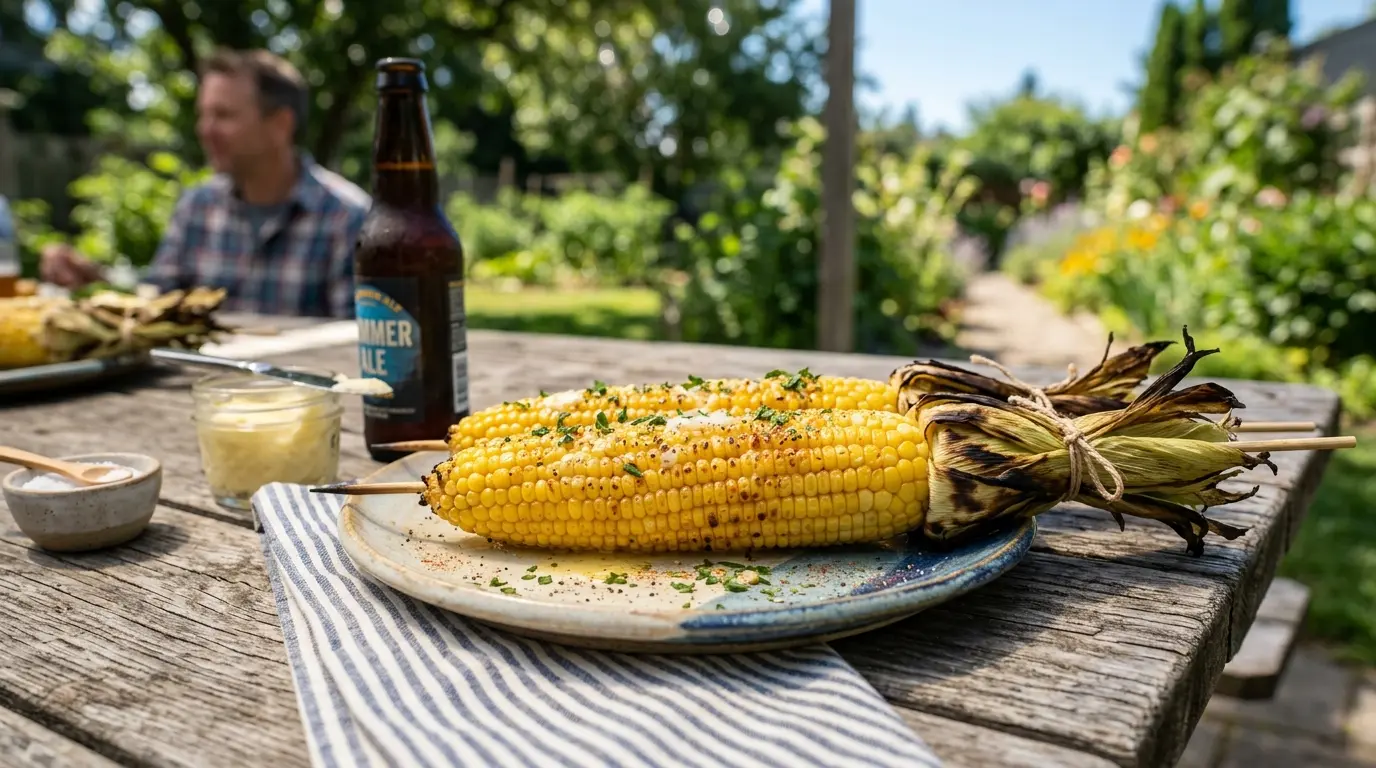
There are few foods that capture the taste of summer quite like fresh corn on the cob.
Whether you’re hosting a backyard barbecue, planning a family picnic, or simply looking for an easy side dish for dinner, perfectly cooked corn on the cob is hard to beat.
Sweet, juicy kernels topped with melted butter and a sprinkle of salt are simple, satisfying, and loved by just about everyone.
While preparing corn on the cob seems like one of the easiest cooking tasks, many people still end up with ears that are tough, chewy, or lacking flavor.
The biggest mistake isn’t choosing the wrong corn or using the wrong pot. It’s simply cooking it for too long.
If you’ve ever wondered exactly how long to boil corn on the cob, the answer depends on how fresh it is. The good news is that it usually takes less time than most people think.
The quality of your finished corn on the cob starts long before it reaches the pot.
Corn is naturally high in sugar when it’s freshly harvested. However, once it’s picked, those sugars immediately begin converting into starch. This process continues every hour, which is why farm-fresh corn tastes noticeably sweeter than corn that has been sitting on the shelf for several days.
Whenever possible, buy corn the same day you plan to cook it. During peak summer months, farmers’ markets and local produce stands often have the freshest options available.
If you aren’t cooking it immediately, leave the husks on and store the ears in the refrigerator. The husks help protect the kernels from drying out while preserving as much freshness as possible.
Choosing quality corn is easier than many people realize. You don’t need to peel back the entire husk to tell whether it’s fresh.
Look for:
Bright green husks that wrap tightly around the ear
Husks that still feel slightly damp instead of dry
Golden or light brown silk that feels soft and slightly sticky
Firm ears that feel full from top to bottom
Plump kernels arranged in straight, even rows
Avoid ears that have:
Brown, brittle, or dried-out husks
Black or moldy silk
Soft spots or missing kernels
Visible insect damage near the tip
Lightweight ears that feel dry
Some shoppers pull back the husk completely while shopping, but this can dry out the corn and make it harder for others to judge freshness. Instead, gently feel through the husk to check that the kernels are full and evenly developed.
Exactly How Long to Boil Corn on the Cob
One of the biggest myths about cooking corn on the cob is that it needs to boil for 15 or even 20 minutes.
In reality, fresh corn cooks surprisingly quickly.
Here’s a simple guide for corn on the cob:
Very fresh, just-picked corn: 4 to 5 minutes
Fresh grocery store or farmers’ market corn: 6 to 7 minutes
Larger ears or slightly older corn: Up to 8 minutes
That’s all it takes.
Corn is harvested when it’s already fully developed. Boiling isn’t meant to cook it from raw to done like potatoes or pasta. Instead, you’re simply heating it through while preserving its sweetness and natural texture.
Cooking beyond eight minutes often causes the kernels to become firmer instead of softer because prolonged heat changes both the starches and texture.
Step-by-Step Guide to Boiling Corn
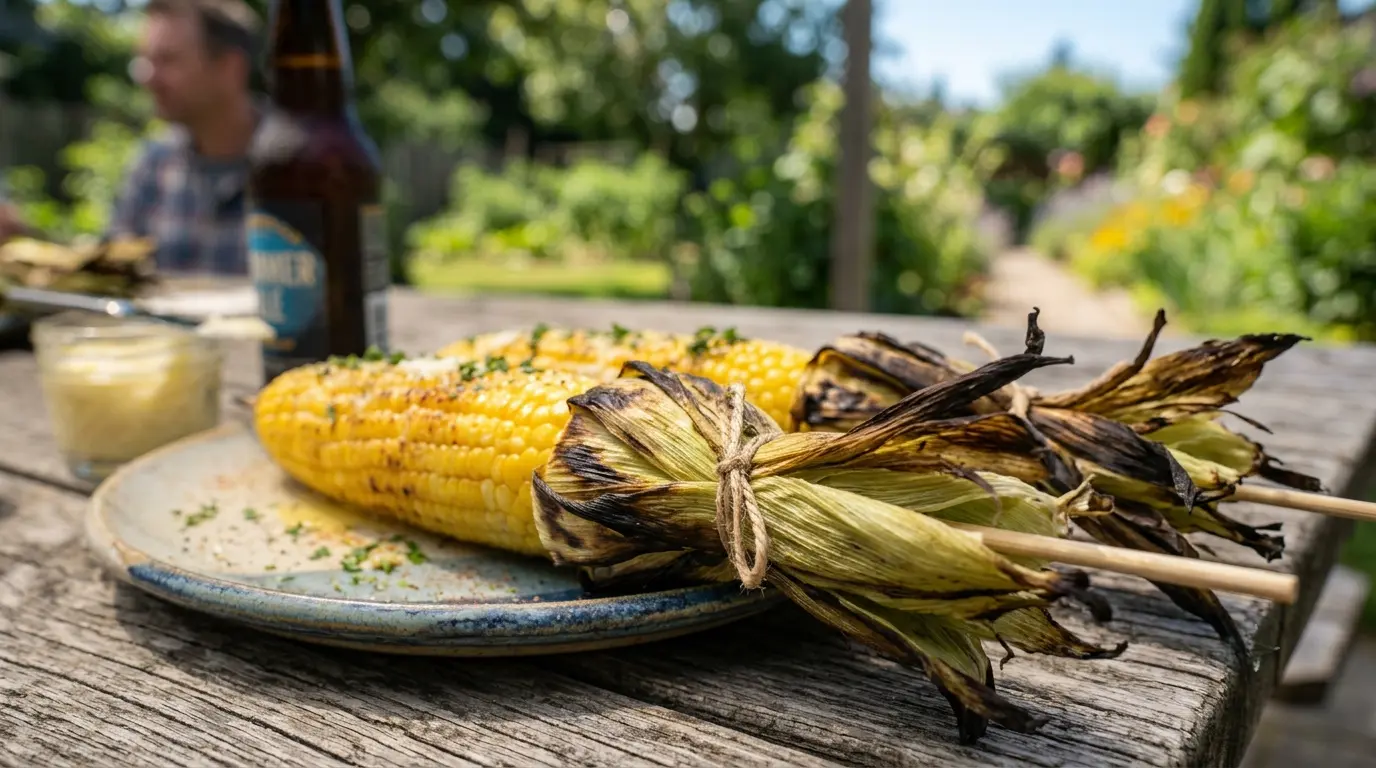
Step 1: Remove the Husks
Peel away the green outer husks and remove as much silk as possible.
Some fine strands may remain attached to the kernels. Running the ears under cool water while gently rubbing them with your hands usually removes most of the remaining silk.
Step 2: Fill a Large Pot
Choose a pot that’s large enough to hold all the ears comfortably.
Fill it with enough water so the corn will be completely submerged.
Unlike pasta, corn doesn’t need gallons of water, but the ears should have enough room to cook evenly without being crowded together.
Step 3: Should You Salt the Water?
This is one of the most debated questions when cooking corn on the cob.
Some cooks add salt directly to the water, believing it lightly seasons the corn during cooking. Others prefer waiting until serving because they believe salted water can slightly toughen the kernels.
Either method works well, and the difference is fairly small.
Many home cooks simply boil the corn in plain water and season generously afterward with butter and salt.
Some even add a teaspoon of sugar to the water if the corn isn’t especially fresh, although truly fresh corn usually doesn’t need any extra sweetness.
Step 4: Bring the Water to a Full Boil
Wait until the water reaches a rolling boil before adding the corn.
Adding corn to cold water allows it to slowly heat up, which increases the chances of overcooking and softer, mushier kernels.
Once the water is boiling, carefully lower each ear into the pot using tongs.
Step 5: Set Your Timer
As soon as the corn enters the boiling water, begin timing.
The water may briefly stop boiling, but it should return to a gentle boil within a minute.
Cook according to freshness:
4 to 5 minutes for extremely fresh corn
6 to 7 minutes for standard fresh corn
Up to 8 minutes for older ears
There’s no need to stir the pot constantly.
Step 6: Remove and Serve Immediately
Use kitchen tongs to lift each ear from the pot.
Allow excess water to drain for a few seconds before serving.
Corn tastes best when eaten immediately while it’s still hot and juicy.
How Do You Know When Corn Is Done?
Properly cooked corn should have:
Bright yellow or golden kernels
A tender but slightly crisp bite
Sweet flavor
Juicy texture
If the kernels seem wrinkled, chewy, or tough, the corn has likely been cooked too long.
Remember that corn continues to cool quickly once removed from the water, so serving it right away provides the best eating experience.
Delicious Ways to Season Corn
Fresh corn is naturally flavorful, but toppings can make it even better.
Some classic favorites include:
Butter and sea salt
Garlic butter
Freshly cracked black pepper
Parmesan cheese
Chopped parsley
Cilantro and lime juice
Chili powder
Paprika
Herb butter
Fresh dill
Crumbled feta cheese
For a Mexican-inspired version, spread mayonnaise over the corn, sprinkle with cotija cheese, chili powder, fresh cilantro, and finish with a squeeze of lime.
If you’re looking for something lighter, brush the ears with olive oil instead of butter and season with herbs and black pepper.
Perfect corn on the cob doesn’t require special equipment or complicated techniques. The secret is simply starting with fresh corn and resisting the urge to overcook it.
For the sweetest, juiciest results, bring a large pot of water to a rolling boil before adding the ears. Cook very fresh corn for 4 to 5 minutes, standard fresh corn for 6 to 7 minutes, and no more than 8 minutes for older or larger ears.
Serve it immediately with butter, a sprinkle of salt, or your favorite toppings, and you’ll have one of summer’s simplest and most satisfying side dishes.
Sometimes the best recipes aren’t complicated at all. A perfectly cooked corn on the cob proves that fresh ingredients, proper timing, and a little butter are often all you need.