Disappointing Avocado Texture Explained Simply: What Are Those Stringy Fibers?

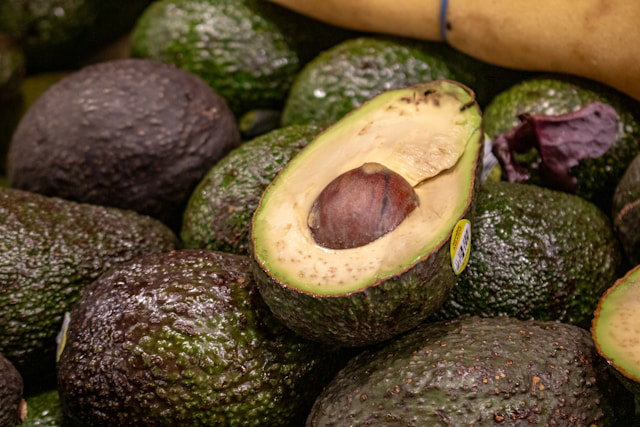
Avocado texture is one of the main reasons people love this fruit, but it can quickly become disappointing when it turns stringy instead of smooth and creamy. That unexpected texture can ruin a meal.
Many people assume that a bad avocado is the result of improper storage or poor timing at home. In reality, most avocado texture issues begin much earlier in the process.
The journey of an avocado from tree to table is complex. Several factors during growth, harvesting, and handling all influence the final texture you experience.
One of the biggest reasons it becomes stringy is the amount of time it spends on the tree. When the avocado fruit is left to mature for too long, its internal fibers can become more developed.
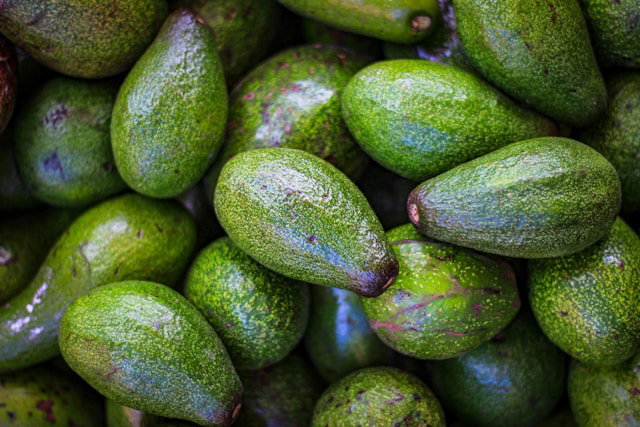
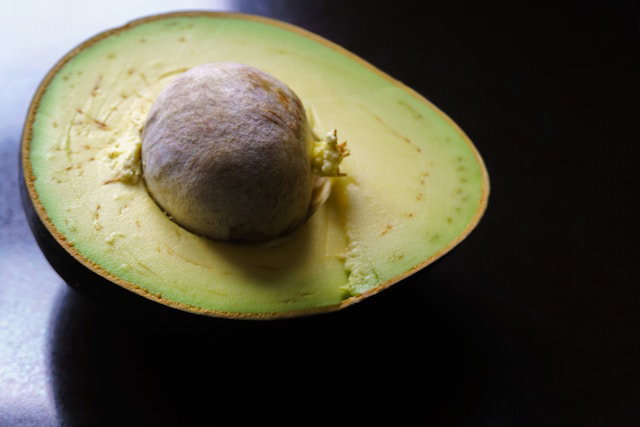
These fibers are naturally present in every avocado. However, when they become too pronounced, they create that stringy sensation when you cut or bite into the fruit.
Farmers sometimes leave the avocado on the tree longer than ideal. This may happen due to supply demands or timing considerations in harvesting schedules.
While the avocado may still look perfectly fine from the outside, the inside tells a different story. The texture can shift from creamy to fibrous without any visible warning.
Another important factor is the type of avocado you are buying. Different varieties have different textures and tendencies when it comes to fiber development.
The most widely available avocado variety is Hass. It is usually known for its rich and creamy texture, but even this popular type can sometimes become stringy.
Other varieties may have a higher chance of developing fibers. This makes consistency difficult, especially when you do not know which variety you are getting.
Environmental conditions also play a major role in how an avocado develops. The climate where the avocado grows directly affects its internal structure.
Temperature fluctuations can stress the avocado tree. When the tree experiences stress, the fruit may not develop evenly, leading to inconsistencies in texture.
If part of the avocado develops differently from the rest, you may notice sections that are smooth and others that are stringy. This uneven development is a common issue.
Water levels during the growing period are also critical. Too much or too little water can influence how the avocado forms internally.
Soil quality is another factor that cannot be ignored. The nutrients available in the soil affect how the fruit matures and whether it achieves that desired creamy texture.
All of these growing conditions combine to determine the final quality of the avocado. By the time it reaches the store, much of its texture has already been decided.
It is important to understand that a stringy avocado is not spoiled.
The fruit is still safe to eat, even if the texture is less appealing.
However, texture plays a major role in how enjoyable an avocado is. That is why many people choose to discard the stringy avocado instead of eating it.
Ripening is another stage where the texture of this fruit can be affected. If the fruit ripens unevenly, it may not develop the smooth consistency people expect.
Sometimes it may feel soft on the outside but still have fibrous areas inside. This makes it difficult to judge quality based on touch alone. The way avocado is handled after harvest also matters. Transportation and storage conditions can influence how the fruit continues to develop.
Although handling issues are more likely to cause bruising, they can still contribute to overall quality problems. Every step in the process matters.
When choosing an avocado at the store, there are a few practical tips that can help. While these methods are not perfect, they can improve your chances.
Start by gently pressing the avocado. It should feel slightly soft but not mushy. That usually indicates that it is ripe or close to ripeness.
Avoid avocados that feel too soft or have sunken spots. These signs often indicate overripe fruit, which may have texture problems.
Color can also provide clues. Hass avocado typically darkens as they ripen, but color alone should not be your only guide.
A good strategy is to buy avocados that are still slightly firm; allowing them to ripen at home gives you more control over the process. This method helps you monitor the avocado as it softens. It also reduces the risk of buying fruit that is already overripe.
Proper storage is essential for maintaining avocado quality. Keeping avocados at room temperature allows them to ripen naturally.
Once the avocado reaches the desired softness, placing it in the refrigerator can slow further ripening. This helps preserve its texture.
Even with ideal storage, you cannot change what has already developed inside the avocado. If it is going to be stringy, that is already determined.
Because of this, some level of unpredictability is unavoidable. Every avocado is slightly different, even when they look similar on the outside.
For people who use avocado frequently, it may be helpful to buy more than one at a time. This increases the likelihood of having at least one good option.
If you cut into a stringy avocado, there are still ways to use it. Removing the most fibrous parts can sometimes improve the texture.
In recipes where texture is less noticeable, such as spreads or mixed dishes, a slightly stringy avocado may still work fine.
This can help reduce food waste while still making use of the fruit. Not every imperfect avocado needs to be thrown away.
Despite occasional issues, avocado remains extremely popular. Its flavor, versatility, and nutritional value make it a staple in many diets.
The key to enjoying avocado consistently is understanding its natural variability. Not every fruit will meet your expectations.
Learning about the factors that influence its texture can help you make better choices. Knowledge makes a difference over time.
With experience, you may become better at identifying avocados that are more likely to be smooth and creamy. Practice plays a role.
Paying attention to firmness, ripeness, and storage can improve your overall success rate. Small adjustments can lead to better results.
At the same time, it is important to accept that some of them will not be perfect. This is part of working with fresh produce.
Unlike processed foods, avocado is a natural product. Its quality depends on many variables that cannot be fully controlled.
Understanding this helps reduce frustration. Instead of blaming yourself, you can recognize the broader factors at play.
In the end, enjoying it is about balancing careful selection with realistic expectations. When you find a perfect one, it is worth it. That smooth, creamy texture is what makes avocado so appealing. And while not every avocado will deliver it, many still do.
By applying these insights, you can improve your chances of choosing a better avocado. Over time, the process becomes easier. Even with occasional disappointments, avocado continues to be a favorite ingredient. Its benefits and taste make it hard to replace.
The more you understand about avocado, the more confident you will feel when selecting it. That confidence leads to better experiences. It is a fruit that rewards patience and awareness. With the right approach, you can enjoy it at its best more often.
How many times have you been disappointed by an avocado that you’ve chosen? LET US KNOW IN THE COMMENTS if you have any other tips to pick the best ones and how to preserve them!