
That Granite Slab in Old Kitchens Had a Surprisingly Clever Purpose

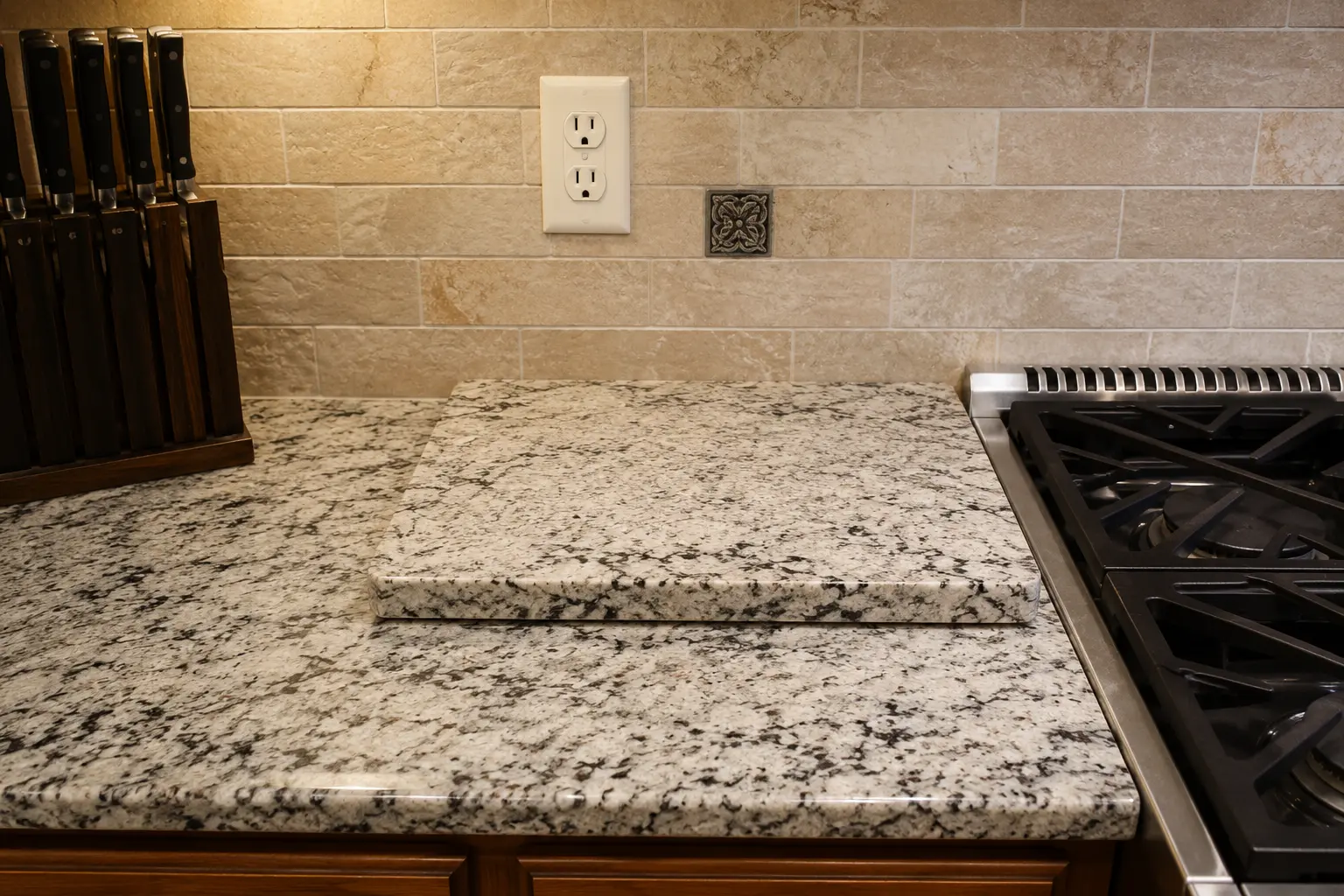
At first glance, it looks like nothing more than a thick piece of granite sitting on a countertop. Many people assume it was decorative or simply left behind by a previous homeowner.
In reality, those heavy slabs of granite, marble, or soapstone once served several practical purposes in the kitchen.
Long before electric appliances became common, families found smart ways to make the most of natural materials.
A simple granite slab could help with cooking, baking, and even keeping a room warm, all without using a single watt of electricity.
The Granite Slab Worked Like an Old-Fashioned Warming Tray
One of the most common uses was as a heated surface. Cooks would place the stone near, or directly on, a wood-burning stove and let it slowly absorb heat. Because granite and soapstone hold warmth exceptionally well, the slab stayed warm for hours after being heated.
Once it reached the right temperature, it became incredibly useful around mealtime. Freshly cooked dishes could sit on the stone without cooling too quickly, dinner plates stayed warm before serving, and bread rolls remained soft without drying out. Some bakers even used the gentle warmth to help bread dough rise naturally.
A Baking Secret Before Pizza Stones Existed
Home bakers also discovered that these slabs performed much like today’s baking stones.
After heating inside the oven, the stone stored a large amount of heat and released it gradually while food baked. That steady temperature helped bread and pizza cook more evenly, producing crisp crusts and reducing the hot spots that often occur in metal baking trays.
Many modern pizza stones are based on exactly the same principle that home cooks were using generations ago.
Helping the Home Stay Warm
The benefits extended beyond cooking.
In houses heated with wood stoves, a thick stone slab acted as thermal mass. Throughout the day, it absorbed excess heat from the stove. After the fire burned down in the evening, it slowly released that stored warmth back into the room.
It certainly wasn’t a replacement for the stove itself, but it helped smooth out temperature changes and made kitchens feel more comfortable for longer.
As kitchens filled with electric appliances, many of these traditional techniques quietly faded away. Warming drawers, countertop food warmers, specialized baking gadgets, and countless single-purpose tools gradually replaced methods that relied on simple materials.
While modern appliances offer convenience, they also consume electricity, take up storage space, and often perform only one task. A heavy stone slab, on the other hand, could handle several jobs while lasting for decades with almost no maintenance.
Although few people rely on them the way previous generations did, baking stones remain popular among home cooks for good reason.
Many people leave a granite or ceramic baking stone inside the oven permanently. Besides producing crisp pizza crusts and better homemade bread, the stone can help stabilize oven temperatures by reducing sudden heat fluctuations when the door is opened.
It is a small reminder that some of the smartest kitchen solutions were developed long before modern technology arrived.
Sometimes the simplest tools are the ones that stand the test of time.
What once looked like an ordinary piece of stone was actually a hardworking kitchen essential, quietly helping generations of cooks prepare meals more efficiently with nothing more than the natural properties of rock.