
Jeffrey Epstein Confesses to Being a Sexual Predator in New VIDEO Release

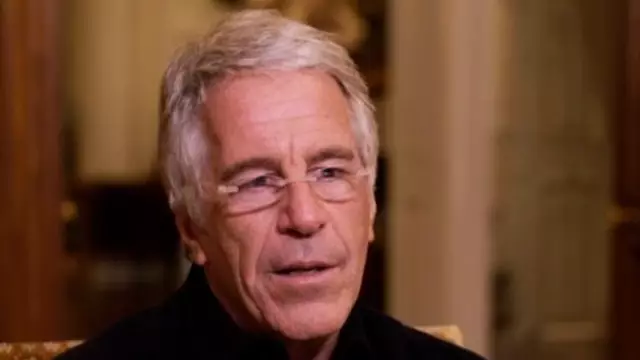
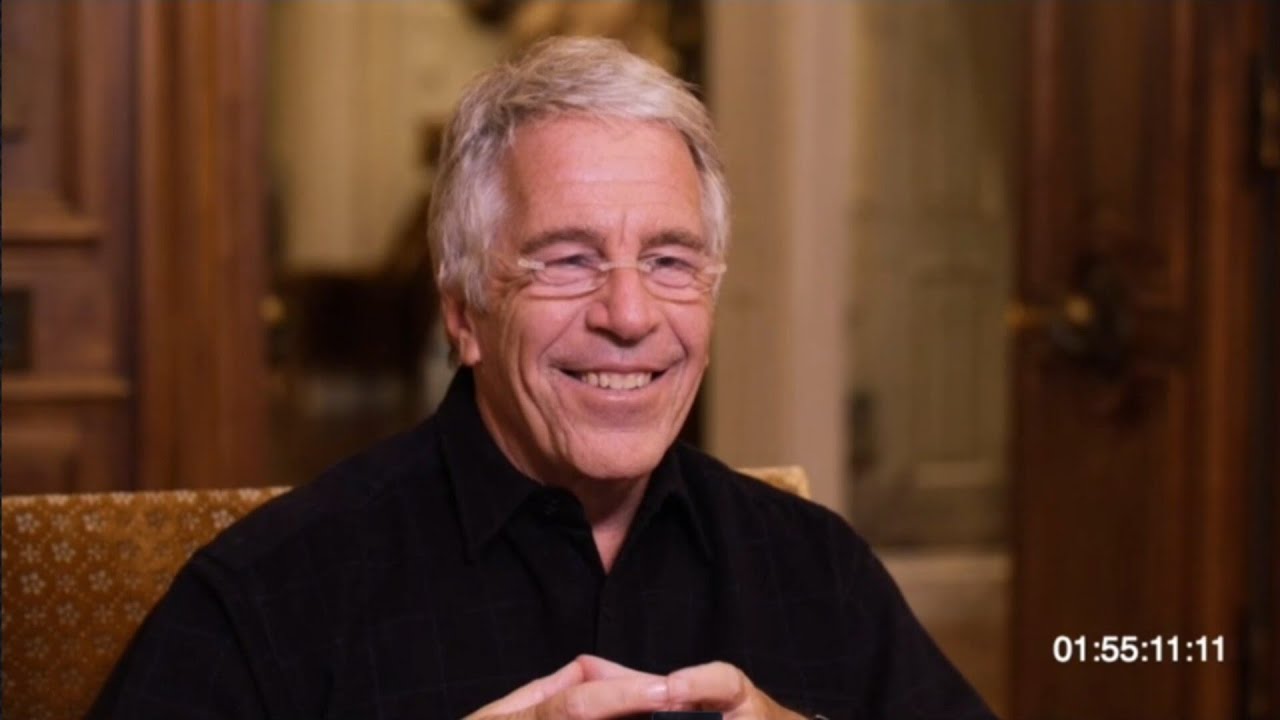
The most striking piece of newly disclosed material is the rare and long interview featuring Jeffrey Epstein talking with an off-camera interviewer about his criminal past, wealth, and personal views. This footage had not been seen before its release as part of a massive trove of investigative records.
In the video, Jeffrey Epstein is questioned directly about his identity and the severity of his offenses.
When asked whether he believed he was a class three sexual predator, he responded “Tier one” when pressed on that label. The interviewer then clarified whether “tier one” meant both high risk and the worst level. Epstein pushed back but ultimately acknowledged in words that he was a criminal.
The term “tier one” refers to how certain jurisdictions classify sex offenders based on perceived risk levels and reporting requirements. Although it is technically viewed as lower risk compared with more severe classifications, the exchange highlights Epstein’s attempt to discuss technical labels while still confronting the reality of his past crimes.
Jeffrey Epstein also attempted to shift focus away from his wrongdoing by framing his donations to charitable causes, including global health efforts, as evidence of a complex moral character. Throughout the clip, he dances between self-justification and reluctant admissions under challenge from the interviewer.
The release of the video is only one part of an unprecedented publication of documents, images, and videos tied to the investigations into Jeffrey Epstein and his associates. Under the Epstein Files Transparency Act, the Department of Justice has made millions of pages of material available to the public.
That act, passed with overwhelming bipartisan support, mandates that investigative materials related to investigations of Epstein and his network be made publicly accessible. These documents include court records, internal communications, photos, and previously unseen footage such as the video at the center of current discussions.
While some officials have defended the release as a step toward accountability and transparency, others have expressed concerns about how the material has been handled. A senior Justice Department official said that even with disturbing content in the files, they have not yet revealed evidence that clearly establishes criminal liability for associates beyond Jeffrey Epstein and his convicted accomplices.
This response, combined with portions of the files remaining redacted or withheld for legal reasons, has drawn criticism from both survivors and lawmakers. Many argue that more thorough disclosure and more context around certain records are needed for justice and historical truth.
In response to the enormous release of files tied to Jeffrey Epstein, survivors’ advocates have expressed strong concerns about the impact of unfiltered information going online. Attorneys representing survivors have pointed out that some of the newly released materials inadvertently disclosed names of victims or personal identifying information. These leaks have created additional trauma for some individuals already impacted by Epstein’s crimes.
Victims’ advocates say that the legal protections meant to shield private information were not consistently upheld during the release process, and they have called on federal judges and the Justice Department to pause the public availability of the files until redactions can be properly reviewed and corrected.
At the same time, some lawmakers argue that the transparency law did not go far enough, and that too many documents remain inaccessible or incompletely explained. A number of representatives have publicly urged for fuller disclosure of FBI interview summaries, device records, financial documents, and other files that are believed to contain critical information.
Beyond the dramatic interview clip, the large collection of records includes diverse materials that touch on several aspects of Epstein’s life and the investigations that followed. Some of these elements have only begun to come to light as journalists, researchers, and the public comb through the trove.
Among these elements are previously unseen emails, flight logs, and correspondence that show how Epstein interacted with figures in both the United States and abroad. Although appearances of well-known individuals in the files do not necessarily imply wrongdoing, their presence has fueled public speculation and scrutiny about the social and professional networks Epstein maintained.
Officials have stressed that many names and snippets in the files require context, and that simply appearing in documents does not signal criminal involvement. Still, the sheer scale of the files, including images and video content, means that researchers and reporters are sifting through millions of records to piece together timelines, associations, and unanswered questions.
The latest releases surrounding Jeffrey Epstein have reignited debates about how justice is pursued in cases involving powerful individuals and systemic exploitation. Supporters of full transparency say that light must be shed on not only Epstein’s own actions, but also the network of people who may have assisted, enabled, or benefited from his assets and connections.
Critics of the current approach argue that without careful redaction and context, releasing raw documents risks spreading confusion, misinformation, and further harm to victims. They say that investigators and prosecutors should take greater care in how records are curated and presented to the public.
There are also ongoing legal discussions about whether new prosecutions could arise from the files. Prosecutors have so far indicated that their review of the latest materials has not identified new, actionable evidence that would support charges beyond already indicted parties. Nevertheless, they remain open to continuing inquiries if credible new evidence emerges.
The publication of video footage and a vast library of legal files tied to Jeffrey Epstein marks one of the most significant moments in public understanding of the full scope of the investigations. Despite the passage of years since Epstein’s death in custody in 2019, these materials continue to provoke conversation, controversy, and demands for accountability.
The rare interview clip showing Epstein’s own words about his criminal history and how he perceived himself has become a focal point for discussions about the nature of his crimes and the broader societal implications. Combined with the larger file release, survivors’ voices, and reactions from legal authorities, the unfolding story highlights enduring tensions between transparency, privacy, justice, and the collective memory of a case that captured global attention.