
12 Controversial Japanese Films That Had a Dark Yet Powerful Impact

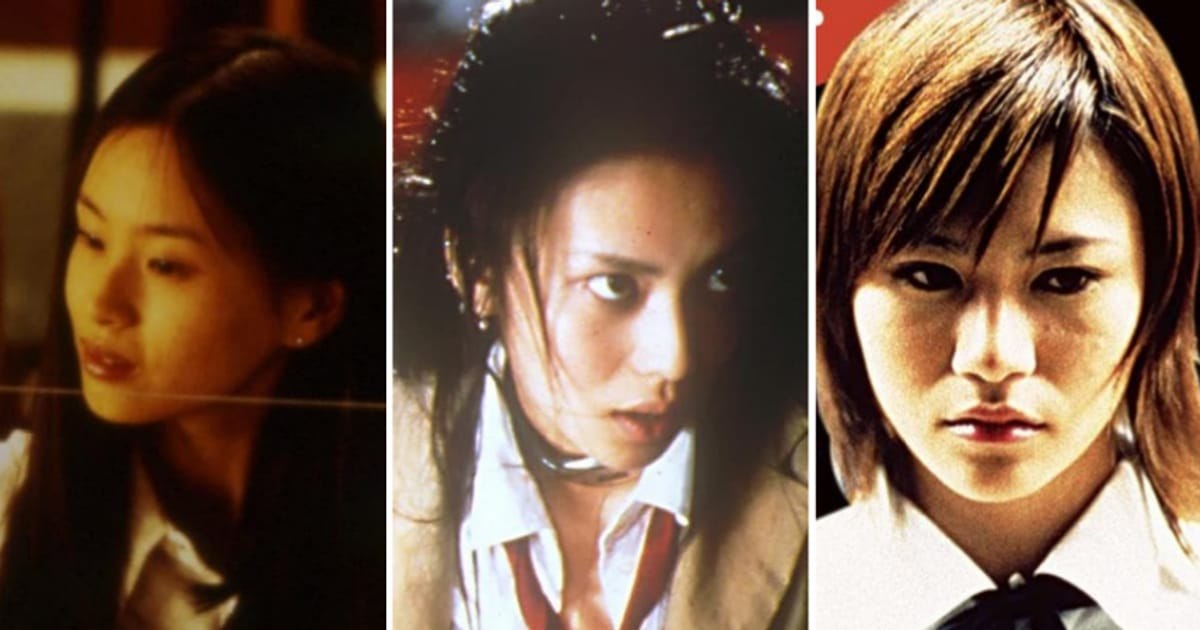
Japanese films have always stood out for their fearless storytelling and willingness to explore uncomfortable truths. Unlike many mainstream productions, these films are not afraid to cross boundaries, question society, or present raw human experiences in ways that feel intense and unforgettable.
Over the years, Japanese films have gained global attention not only for their creativity but also for their controversial nature. Some have shocked audiences with graphic imagery, while others have stirred debate through political or social commentary. What connects them all is their ability to leave a strong and lasting impression.
These Japanese films did more than entertain. They sparked conversations, faced censorship, and in some cases were banned entirely. Directors such as Takashi Miike, Nagisa Oshima, and Sion Sono became widely known for pushing limits and exploring themes like violence, power, sexuality, and identity in ways that many filmmakers would avoid.
Even though not everyone finds these Japanese films easy to watch, many critics and viewers recognize their artistic value. Their controversy often became the reason they remained relevant and unforgettable.
In the Realm of the Senses
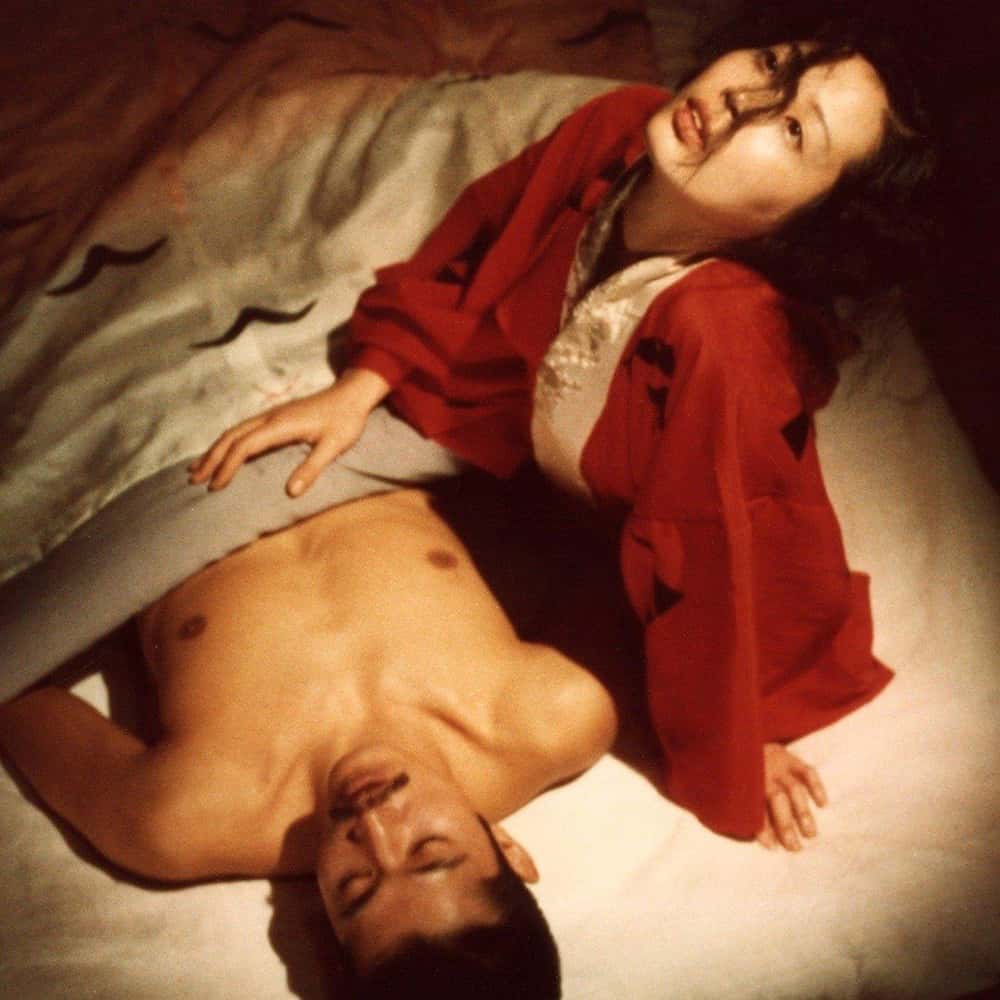
One of the most controversial Japanese films ever made is In the Realm of the Senses. Directed by Nagisa Oshima, this film is based on the real story of Sada Abe and is widely known for its explicit content.
The film includes unsimulated sex scenes between its lead actors, which led to major censorship issues. Oshima had to secretly send the undeveloped footage to France to complete the film and avoid restrictions in Japan. Even after its release, it was banned or heavily censored in countries such as Japan, the United States, and Germany.
Despite the backlash, the film gained massive attention. At the 1976 Cannes Film Festival, demand was so high that it required thirteen screenings. Today, it is still discussed as a bold artistic work that explores themes of obsession, desire, and death.
The story follows a former prostitute who begins an intense relationship with her employer, leading to a deeply consuming and destructive connection.
Visitor Q
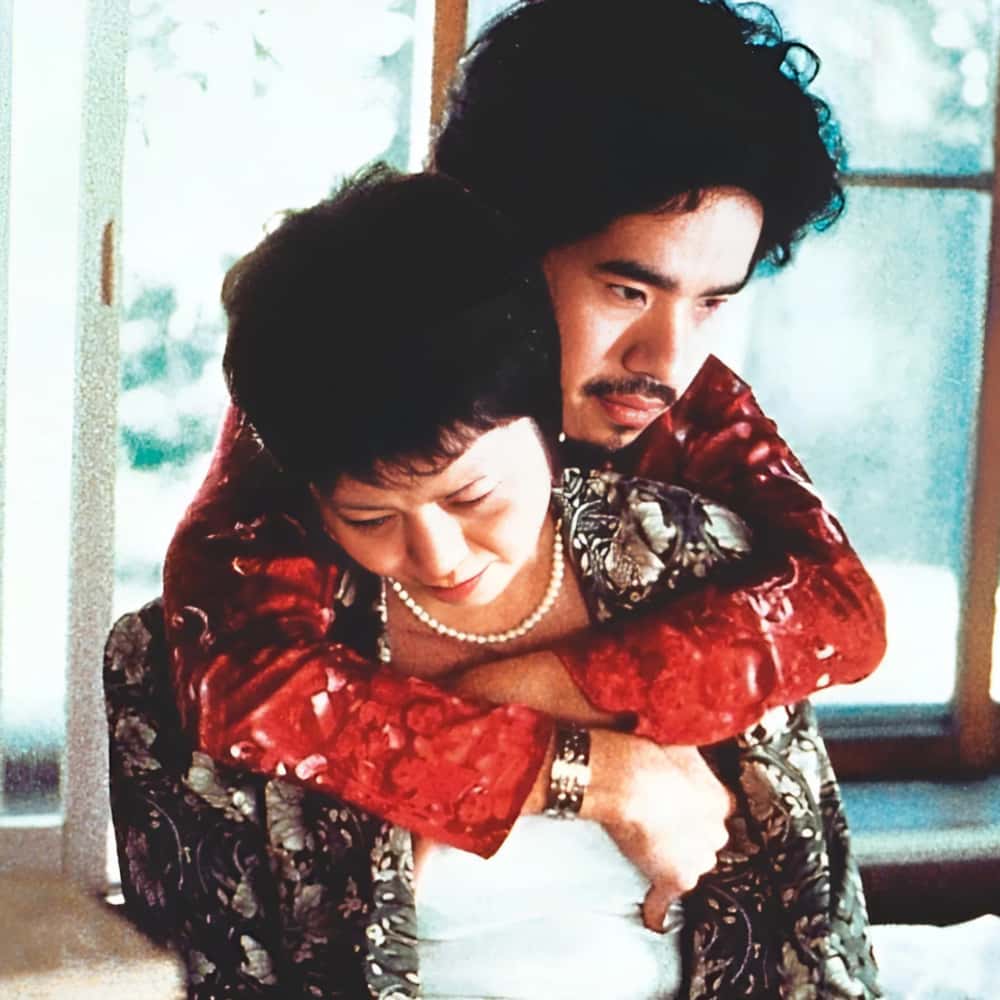
Among extreme Japanese films, Visitor Q by Takashi Miike stands out for its shocking content and disturbing themes. The film presents a deeply dysfunctional family whose lives change after a mysterious stranger enters their home.
Shot with a raw, low-budget digital style, the film feels almost like a documentary. This approach makes its content even more uncomfortable. It includes graphic depictions of taboo subjects such as incest, violence, and drug use.
While many viewers focus on its shock value, others interpret it as a dark satire of family life and modern society. The film highlights emotional breakdown, moral decay, and the collapse of traditional values.
Because of its controversial nature, this remains one of the Japanese films that is difficult to find in its original form in many regions.
Emperor Tomato Ketchup
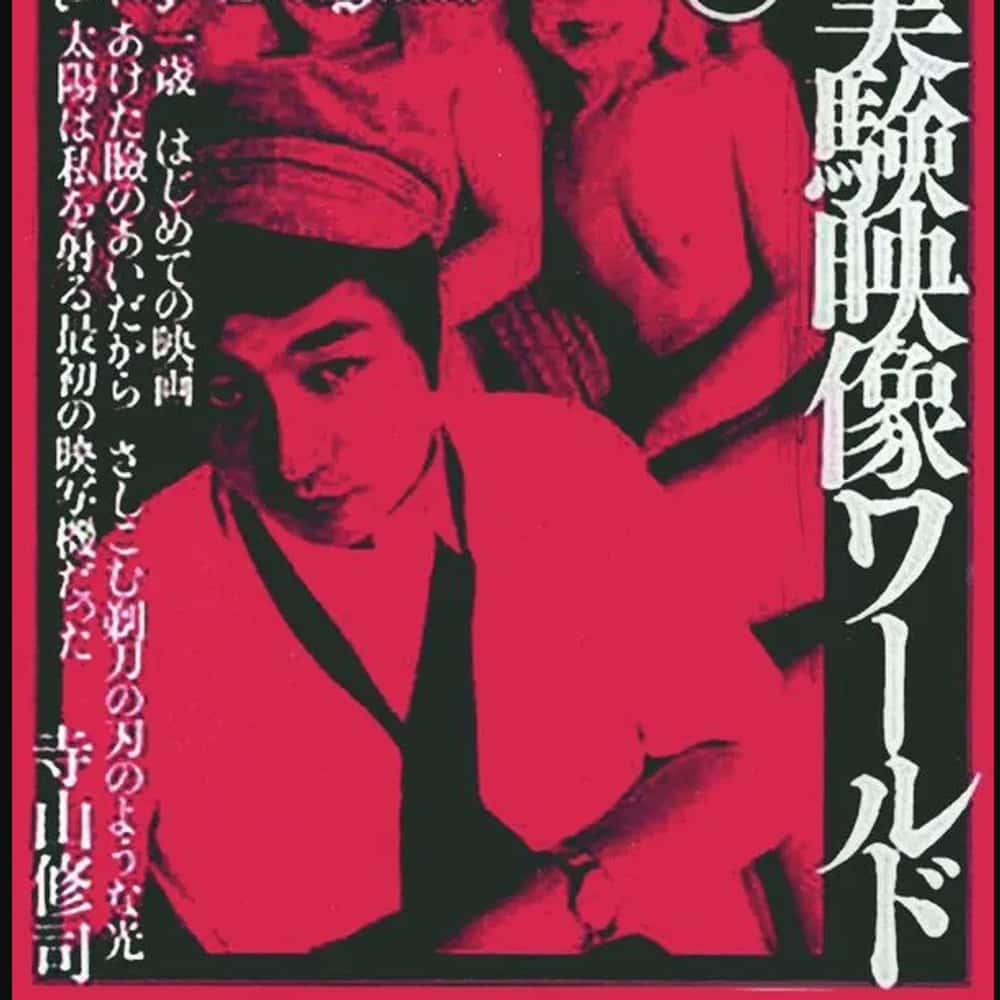
Emperor Tomato Ketchup, directed by Shuji Terayama, is one of the most unusual Japanese films ever created. It presents a surreal world where children have taken control and dominate adults.
The film uses dreamlike visuals and symbolic storytelling. However, it became highly controversial due to scenes involving nudity and simulated sexual behavior involving children. Terayama defended these choices as symbolic, representing oppression and power structures.
Due to these elements, the film has been banned multiple times. Even decades later, screenings have been canceled because of public concern. Despite this, it remains influential in avant-garde cinema and has inspired artists beyond film, including musicians.
At its core, the story focuses on a boy ruling a society where traditional authority has been completely reversed.
Battle Royale
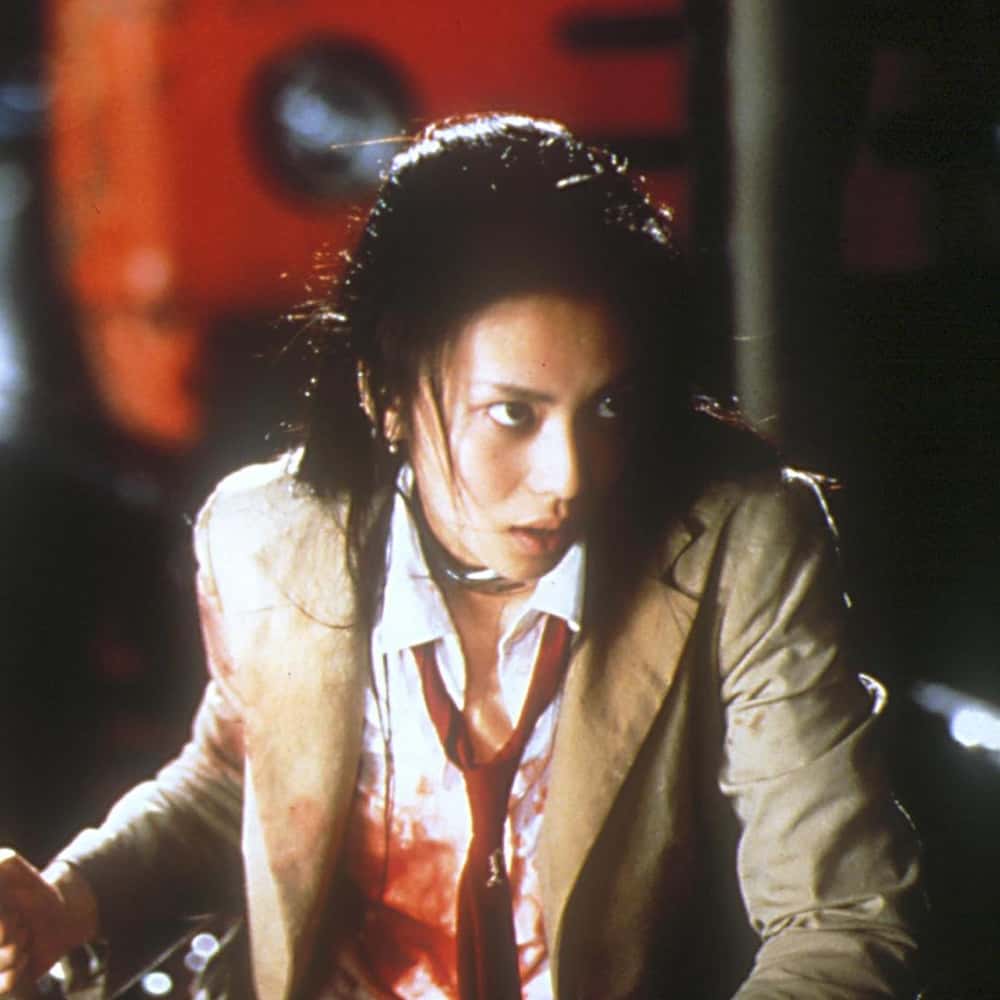
Few Japanese films have had as much global influence as Battle Royale. Directed by Kinji Fukasaku, the film presents a dystopian future where students are forced to fight to the death.
The concept alone caused major controversy, especially because it involved teenagers. The film faced bans in several countries, and even in Japan, there were attempts to stop both the film and the original novel.
Despite this, it became a massive success and developed a strong international following. Its influence can be clearly seen in later works that explore survival competitions.
The story follows a group of students sent to an island, each given weapons and forced into a deadly game where only one can survive.
Audition
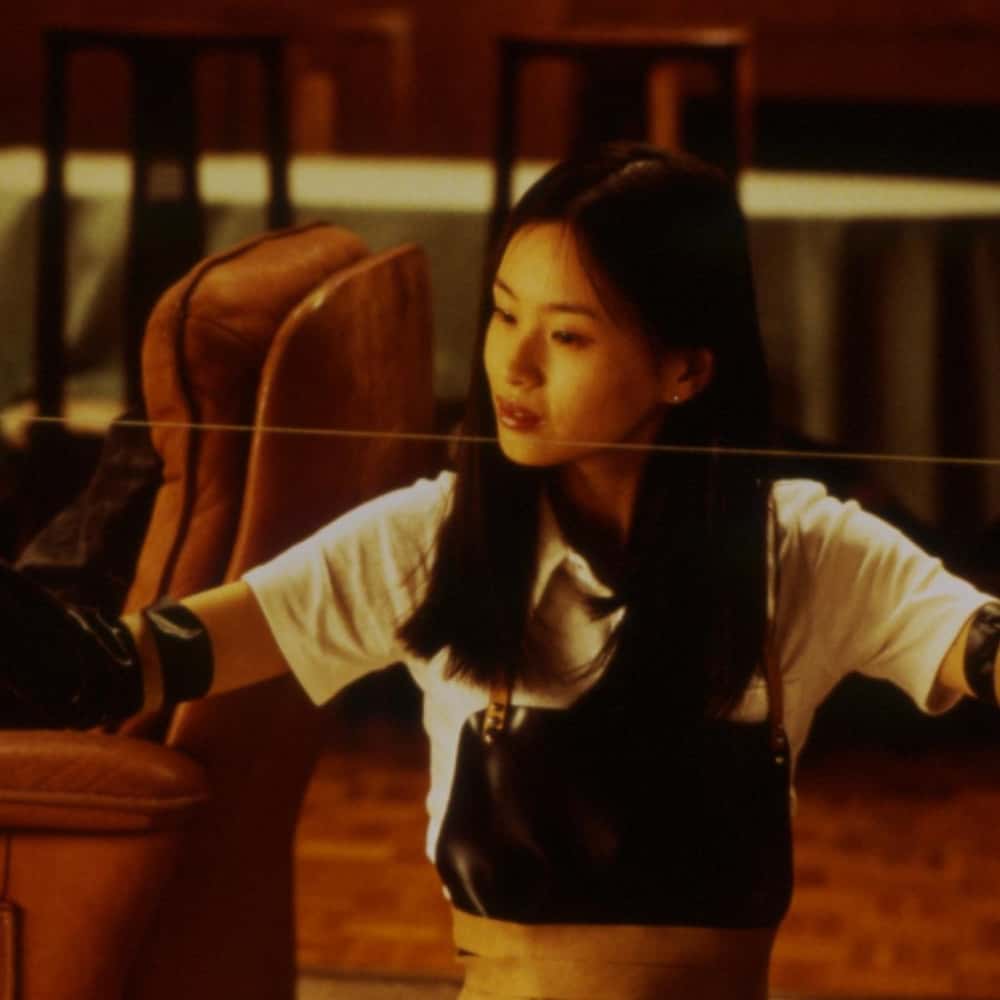
Audition is one of the most psychologically disturbing Japanese films ever made. Directed by Takashi Miike, it begins as a calm and emotional story before taking a sudden and shocking turn.
The film follows a widower who stages fake auditions to find a new partner. He becomes involved with a woman who appears quiet and reserved, but her true nature slowly emerges.
What made this film so controversial was its shift in tone and its intense torture scenes. During screenings, many viewers reportedly walked out because of its disturbing content.
Despite this, the film received critical praise and influenced many horror filmmakers around the world. It showed that fear could come from psychological tension rather than constant action.
Ichi the Killer
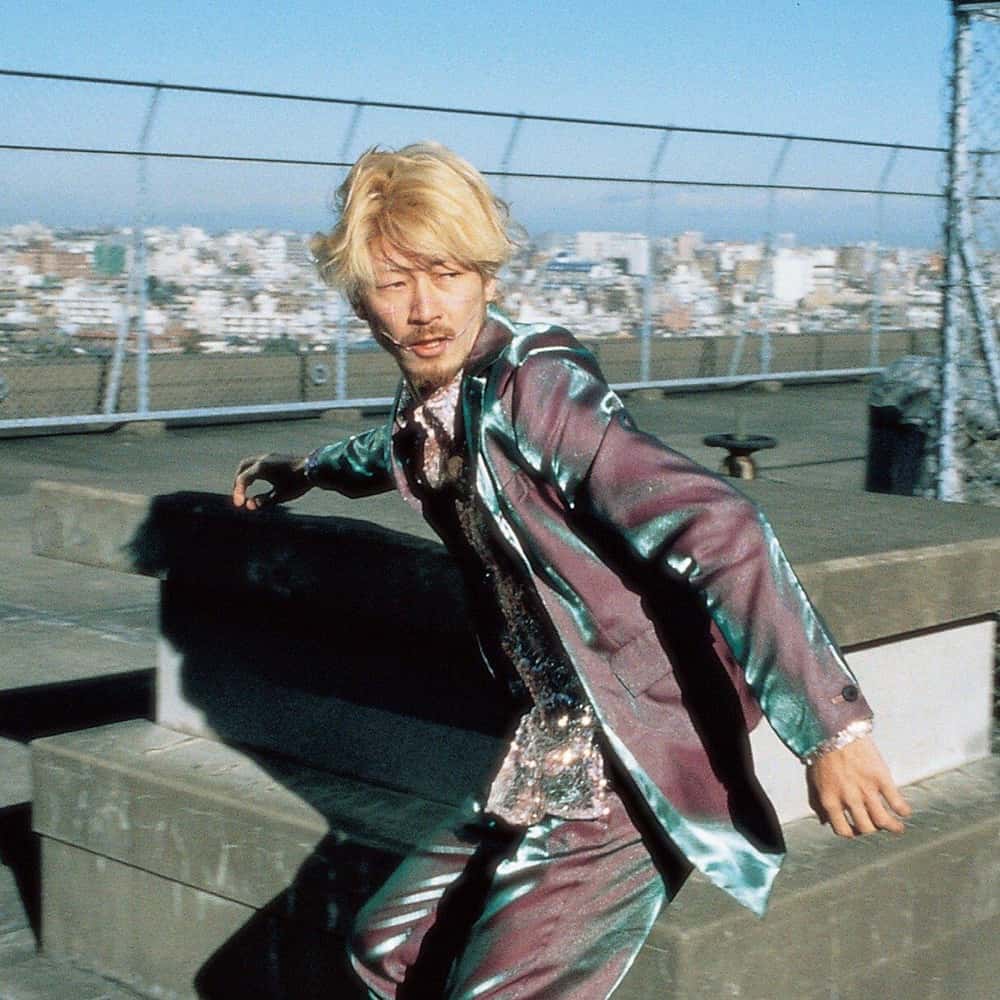
When discussing extreme Japanese films, Ichi the Killer is often mentioned. Another film by Takashi Miike, it is known for its graphic violence and disturbing imagery.
The story takes place in Tokyo’s criminal underworld and follows a violent chain of events involving a missing crime boss. The film includes scenes of torture and brutality that led to heavy censorship in multiple countries.
At its international premiere, audiences were even given vomit bags as part of the experience. This reflects just how intense the film was considered.
Despite its reputation, the film helped bring global attention to Japanese extreme cinema and remains a defining example of the genre.
Horrors of Malformed Men
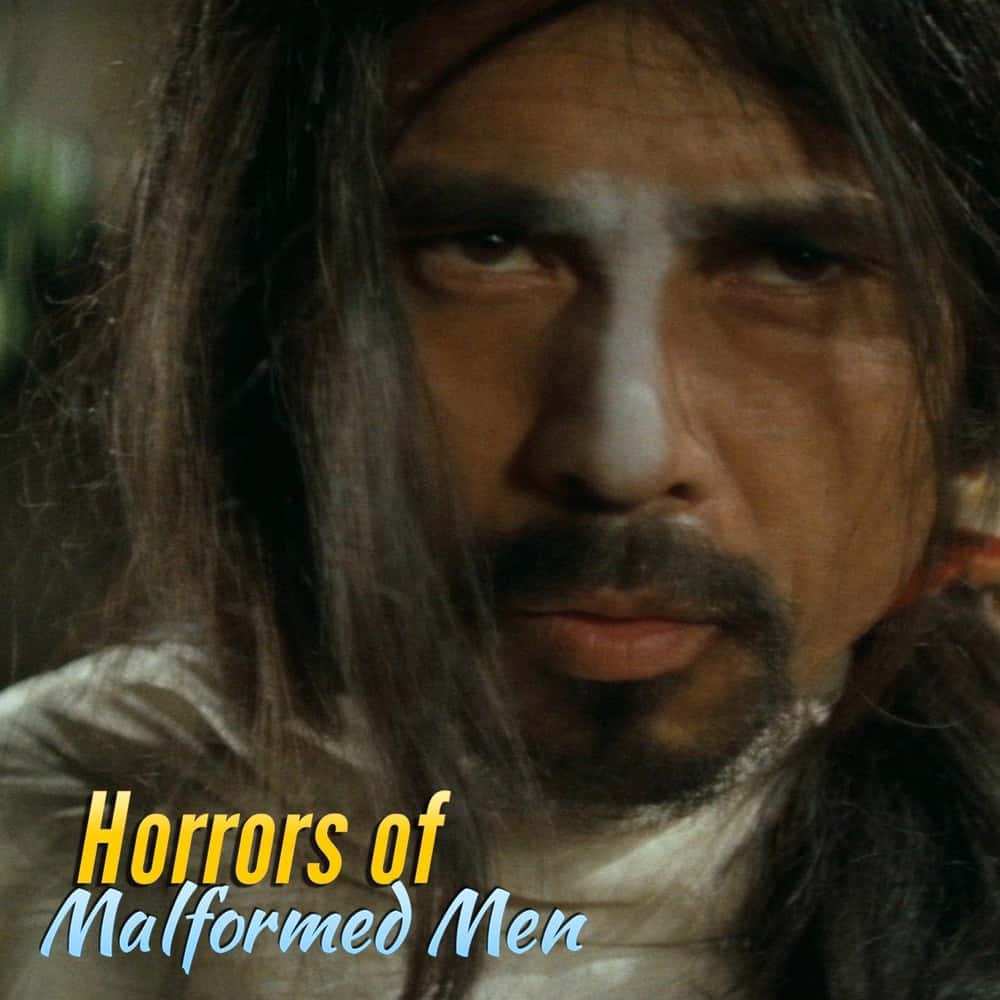
Horrors of Malformed Men, directed by Teruo Ishii, is one of the more surreal Japanese films on this list. It combines horror with elements of mystery and psychological drama.
Interestingly, the film was not banned mainly because of its visuals, but because of its title, which was considered offensive. The language used sparked concern, leading to its removal from circulation for many years.
The story follows a man who escapes from a mental institution and discovers a strange island filled with physically altered individuals created by a mad scientist.
Although controversial, the film has gained recognition for its artistic style and unique storytelling.
The Human Condition
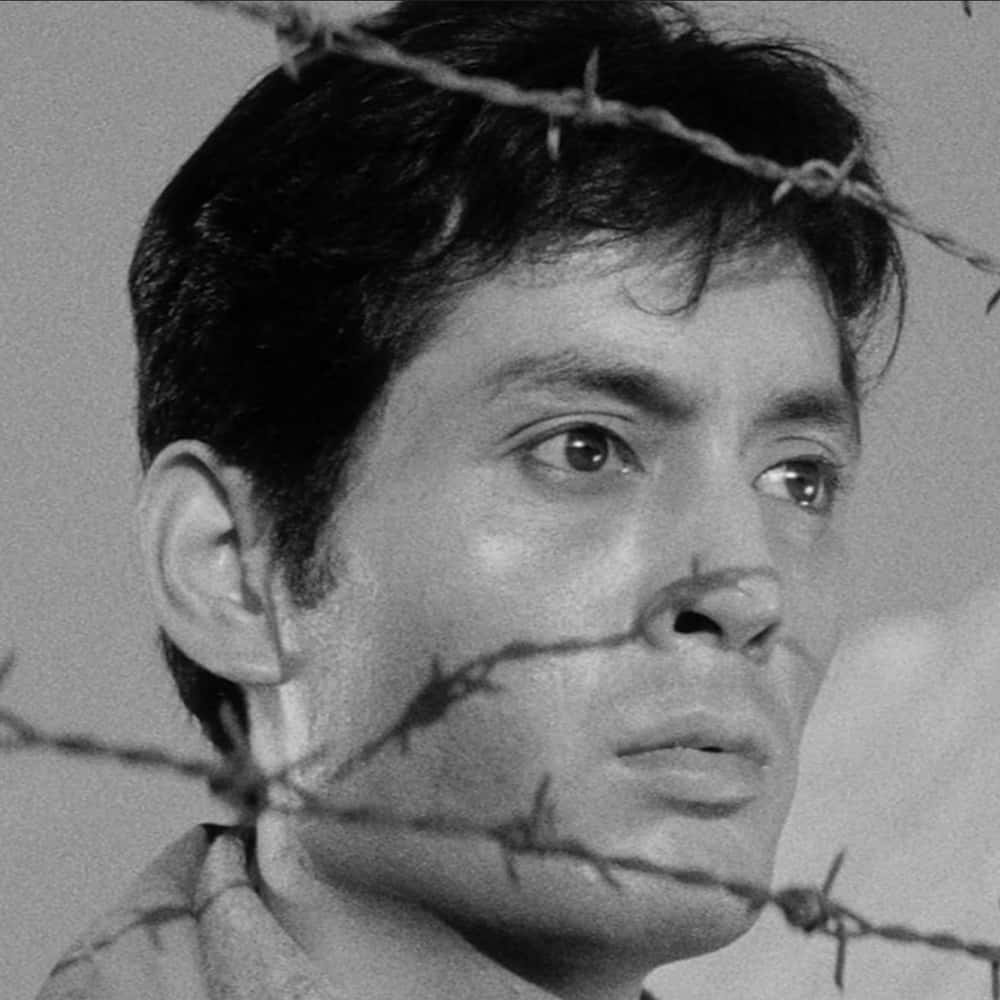
Unlike other Japanese films on this list, The Human Condition is controversial for its political message rather than its graphic content. Directed by Masaki Kobayashi, it is a long and powerful critique of war.
The film follows a man who opposes violence as he experiences the harsh realities of World War II. It explores themes of morality, survival, and human dignity.
Studios initially refused to produce it because of its critical stance on Japan’s wartime actions. Eventually, it was made and is now considered one of the greatest Japanese films ever created.
Its length and depth allow it to explore its themes in a detailed and emotionally powerful way.
Yasukuni
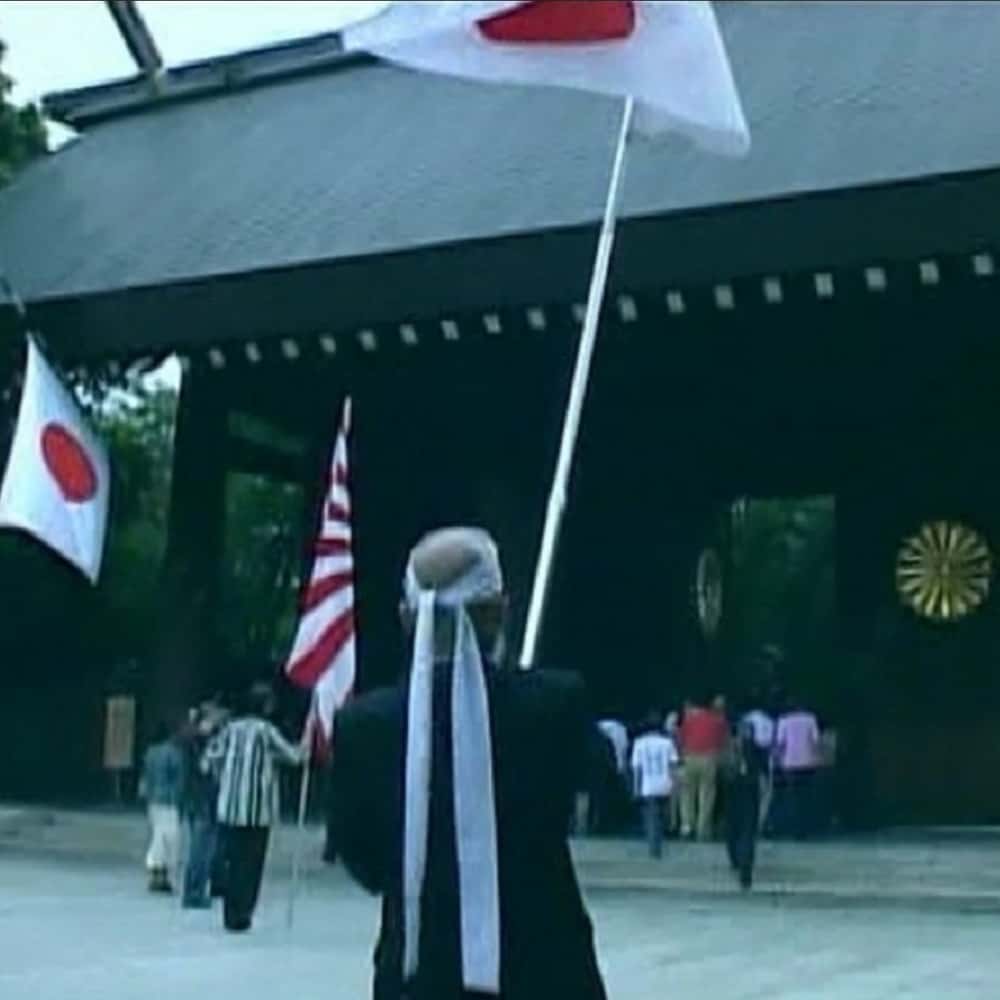
Yasukuni is a documentary that became one of the most politically sensitive Japanese films in recent history. Directed by Li Ying, it focuses on a shrine that honors Japan’s war dead, including controversial figures.
The film sparked protests, boycotts, and even threats against theaters. Some cinemas canceled screenings due to pressure.
It highlights ongoing tensions in Japan regarding history and memory. The controversy surrounding the film reflects how deeply these issues are still felt.
Suicide Club
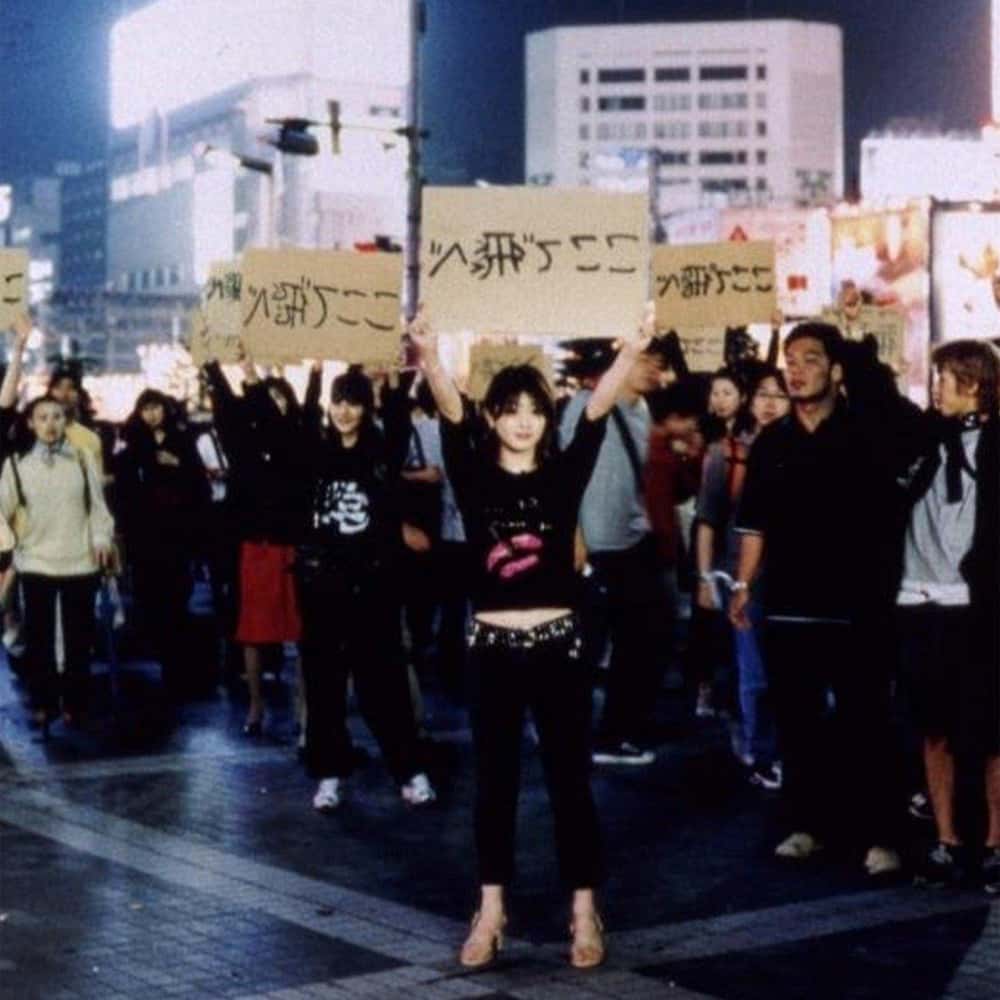
Suicide Club by Sion Sono begins with a shocking scene that immediately sets the tone. A group of schoolgirls commits mass suicide, leading to a mystery that unfolds throughout the film.
This is one of the Japanese films that explores themes of alienation, media influence, and social pressure. Its unclear narrative and disturbing imagery created strong reactions.
Despite mixed opinions, the film became influential and helped establish Sono as a major figure in Japanese cinema.
Mishima: A Life in Four Chapters
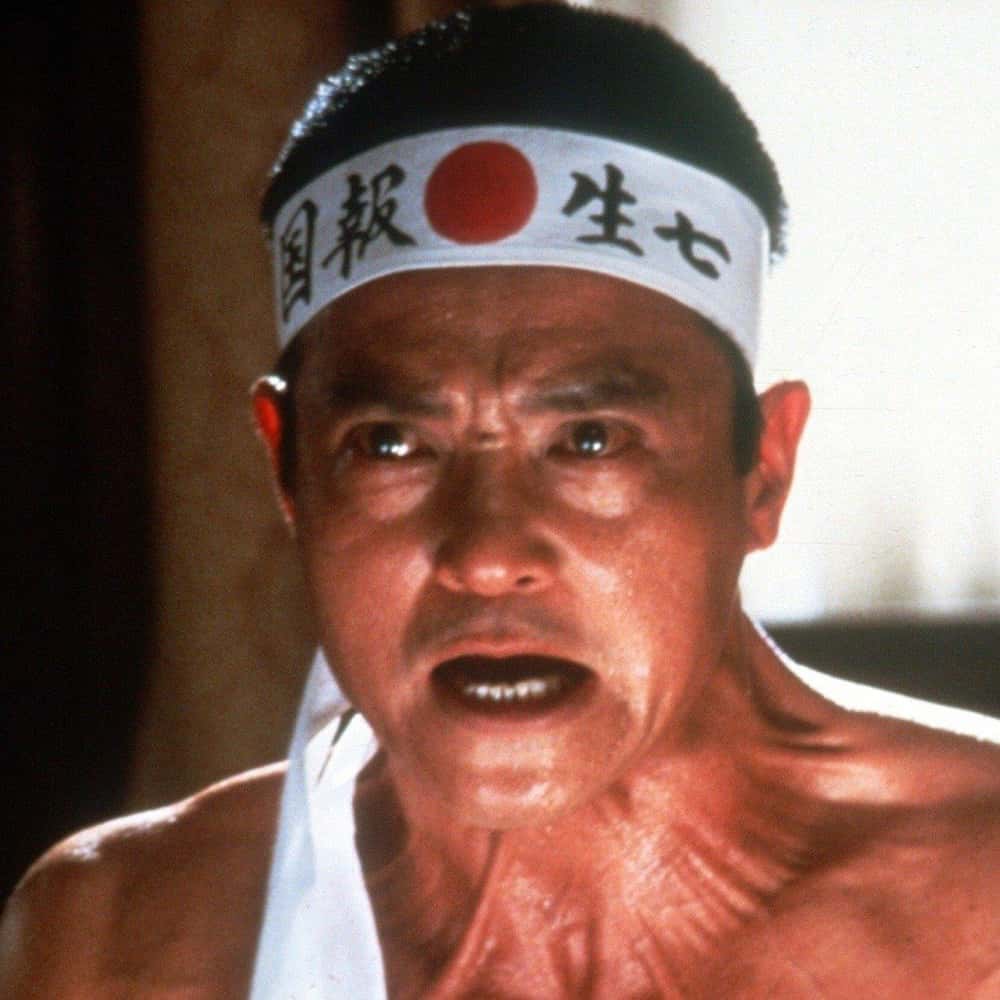
This film tells the story of Yukio Mishima, a controversial writer and political figure. Although it is partly an American production, it is closely tied to Japanese films through its subject and language.
The film faced backlash in Japan due to its portrayal of Mishima’s personal life, including his sexuality. Threats and protests led to its suppression.
Even so, it remains an important work that combines biography, fiction, and dramatization.
Night and Fog in Japan
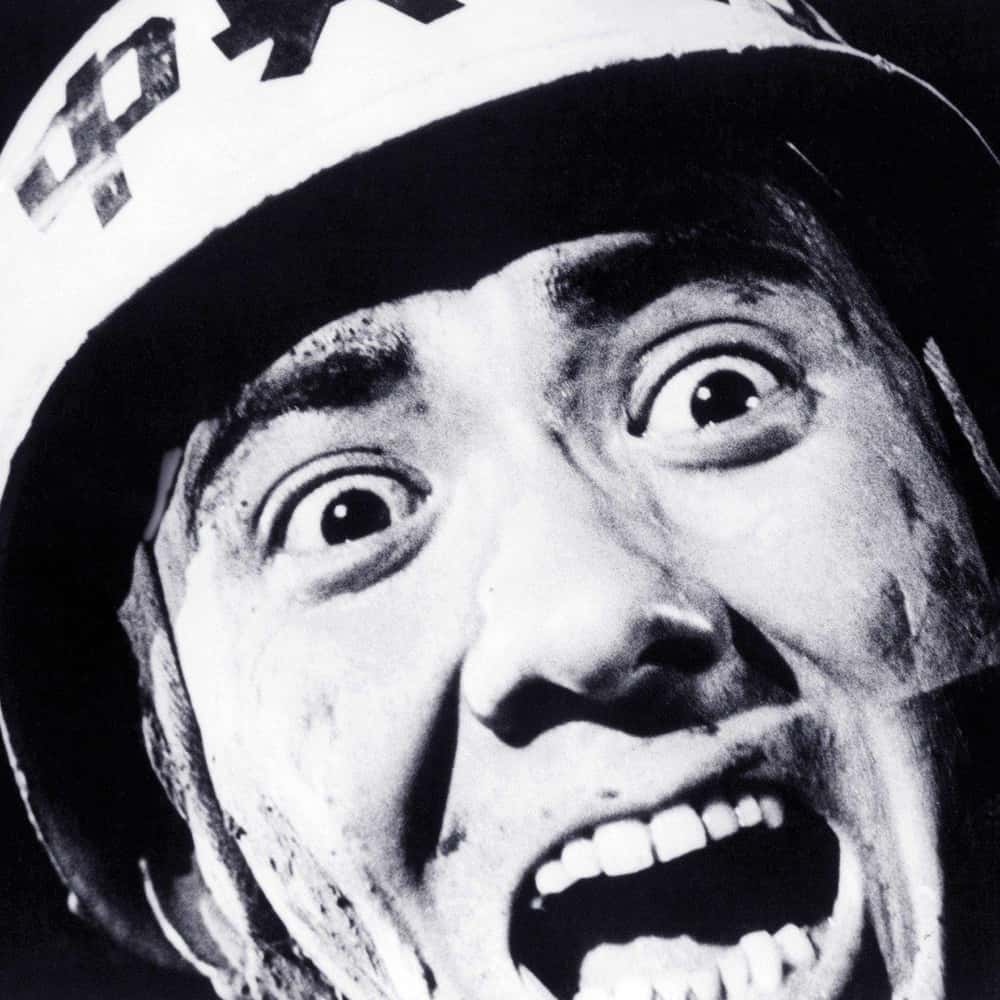
Directed by Nagisa Oshima, Night and Fog in Japan is one of the most politically charged Japanese films ever made. It examines student activism and political movements in Japan.
The film was removed from theaters just days after release due to fears it might increase political tension during an already unstable time.
Its censorship led Oshima to leave his studio and pursue independent filmmaking. Today, it is recognized as an important political work.
Japanese films continue to stand out as some of the most daring and thought-provoking works in global cinema. Whether through shocking visuals, deep psychological themes, or bold political statements, these films challenge audiences in ways that few others do.
From Battle Royale and Audition to In the Realm of the Senses and Suicide Club, each of these Japanese films has left a unique mark. Their controversy is not just part of their identity. It is also what made them impossible to ignore.
While they may not be easy to watch, their impact is undeniable. Japanese films have redefined what cinema can explore and continue to influence filmmakers around the world.