

Aging is an inevitable part of life, whether we welcome it or not. As the years pass, people naturally change — not only in appearance, but also in mindset and behavior. While many of these changes are harmless, some habits that develop with age can become difficult for those around them to tolerate.
Out of respect, family members and friends rarely point these behaviors out. In many cases, older adults aren’t even aware of them. Yet recognizing these tendencies could significantly improve their relationships and overall quality of life.
Below are some of the most common habits that tend to emerge with age and how they affect interactions with others.
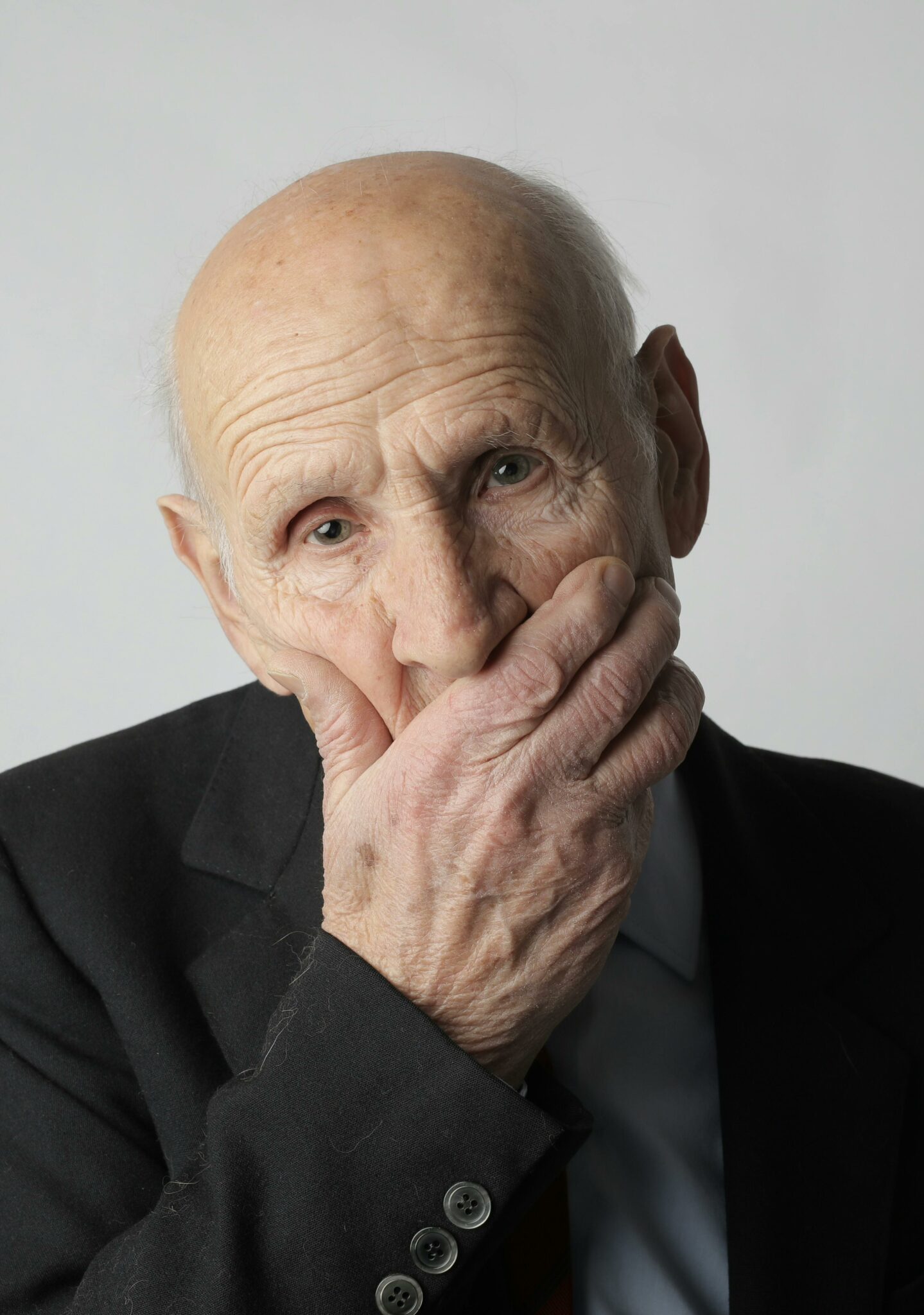
1. Constant Complaining
As people grow older, health concerns often become a daily topic. While loved ones usually listen with empathy, constant complaints about pain, fatigue, or illness can eventually become emotionally draining and push others away.
2. Rejecting Anything New
Change becomes harder with age. Many older adults struggle to accept new technology, modern communication styles, or social shifts. Phrases like “things were better before” can quickly shut down conversations and create distance between generations.
3. Interrupting Conversations
Experience doesn’t always equal correctness. Some seniors interrupt others to share their opinion, assuming age automatically makes them right. This behavior can make discussions feel one-sided and dismissive.
4. Offering Unsolicited Advice
Advice, even when well-intentioned, is not always welcome. Whether it’s about parenting, finances, or relationships, unsolicited guidance can feel intrusive and irritating — especially when it’s given repeatedly.

5. Living Too Much in the Past
While reminiscing is natural, constantly dwelling on the past can prevent meaningful engagement in the present. For others, endless stories about “how things used to be” can become emotionally exhausting.
6. Persistent Negativity
Some people become increasingly pessimistic with age, expecting the worst in every situation. This outlook may stem from fear or uncertainty about the future, but constant negativity often causes others to pull away.
7. Not Truly Listening
Appearing distracted or nodding without engaging is common among older adults, often due to hearing difficulties, fatigue, or slower processing. While usually unintentional, it can come across as disinterest.

8. Criticizing Younger Generations
Many elderly people view younger generations as lazy or irresponsible simply because their lifestyles differ. What’s often overlooked is that times change — and so do social norms and challenges.
9. Neglecting Self-Care
Aging does not mean giving up on personal hygiene or health routines. Unfortunately, some people use age as an excuse to stop taking care of themselves, which can affect both their health and their relationships.
10. Using Age as an Excuse for Bad Behavior
Rudeness or insensitivity is sometimes justified with “I’m old, that’s how I am.” Age, however, is not a valid excuse for disrespectful behavior.
11. Repeating the Same Stories
Telling the same stories repeatedly can be a sign of memory lapses or simple habit. While understandable, it can become frustrating for listeners over time.
12. Refusing to Learn Anything New
Many older adults believe learning is pointless at their age. Phrases like “I’m too old for that” often prevent growth and frustrate those trying to help or connect with them.
A Matter of Mindset
Growing older does not mean becoming rigid, closed-off, or disconnected from the world. With a small shift in mindset, aging can become a phase marked by wisdom, openness, and emotional balance. When older adults remain receptive and self-aware, their later years can be fulfilling — not just for themselves, but for everyone around them.


That’s cute. Cause on the other side of the fence is the young ones. Who like to push their opinions (who aren’t always correct or wanted as well) and not listen (just like they complain about others not doing) My point is. We all do these things. It’s not just the older people. So, please… stop complaining about them. When you should look in the mirror as well.