12 Sensational Nude Scenes That Sparked Huge Controversy in the Movie Industry

Nude scenes have always been one of the most controversial elements in film. From early cinema to modern productions, nude scenes have repeatedly pushed boundaries, sparked backlash, and forced audiences to question what should or should not be shown on screen. While some filmmakers use n*de scenes to add realism or emotion, others have faced criticism for crossing ethical lines, especially when issues like consent, age, or exploitation come into play.
Over the decades, nude scenes have evolved alongside cultural attitudes. What once shocked audiences in the 1960s may seem mild today, yet new controversies continue to emerge. These moments are not just about what appears on screen. They often reveal deeper problems within the film industry itself, including power dynamics, pressure on actors, and changing societal values.
Below are some of the most talked-about n*de scenes that stirred major controversy and left a lasting impact.
Brooke Shields and early exposure to nude scenes
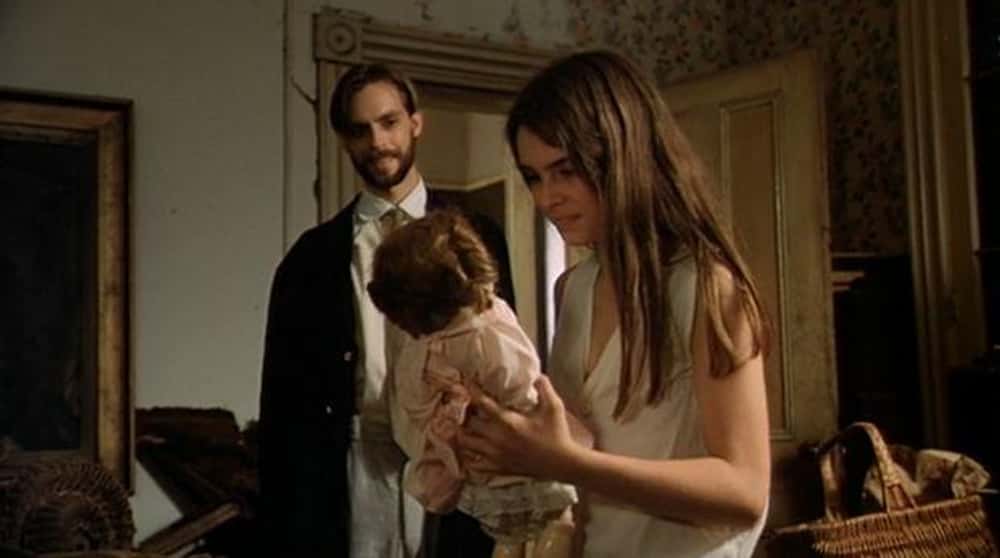
One of the most debated cases involving nude scenes centers on Brooke Shields. She was only 11 years old when she starred in Pretty Baby, playing a child growing up in a brothel. The film included disturbing elements, including a scene where her character’s virginity is auctioned.
A few years later, she appeared in The Blue Lagoon, where she was again involved in nude scenes as her character develops a romantic relationship. These roles helped build her fame, but they also raised serious concerns about the sexualization of minors in film.
As an adult, Shields openly admitted that these experiences affected her deeply. She explained that she often felt like she was serving the vision of male directors rather than being protected as a child. To cope, she developed ways to mentally distance herself from the scenes. She described how she would break character immediately after filming to protect her sense of self.
Her reflections highlight how nude scenes involving young actors can leave long-term emotional consequences, especially when boundaries are unclear or ignored.
Salma Hayek and the pressure behind the scenes in Frida
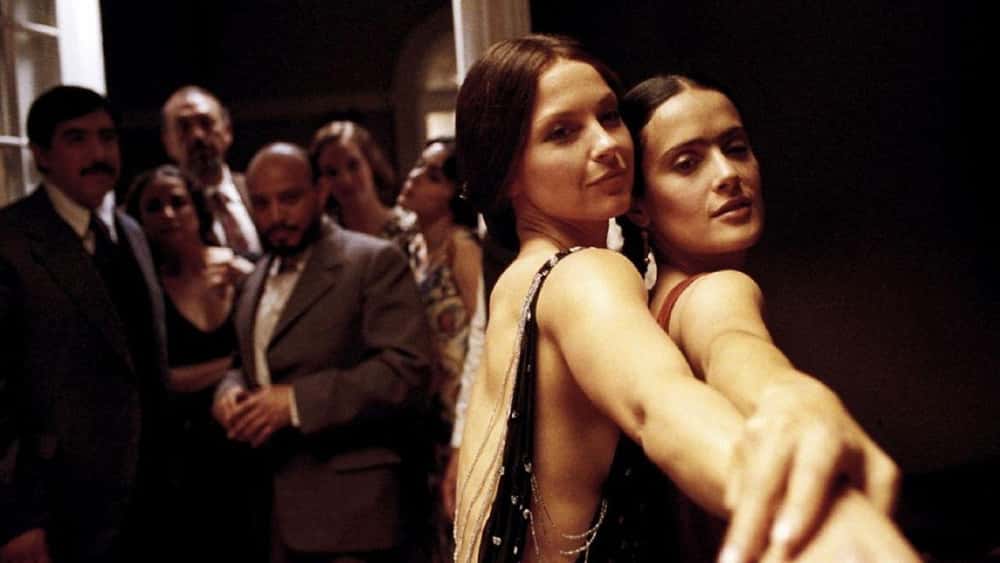
Salma Hayek’s experience with nude scenes in Frida became widely discussed years after the film’s release. The movie tells the story of artist Frida Kahlo and includes a scene where Hayek appears fully nude during an intimate moment.
At the time, the scene did not generate major backlash. However, during the rise of the MeToo movement, Hayek revealed that she had been pressured into filming it by Harvey Weinstein. According to her, he threatened to shut down the film if she refused.
Hayek had spent years trying to bring Frida to life, so she felt trapped. She agreed to the nude scenes despite feeling emotionally distressed. She later described how her body reacted physically, including crying and feeling sick during filming.
This case shifted the conversation around n*de scenes from artistic choice to power imbalance, showing how actors can be forced into uncomfortable situations to protect their careers.
Thora Birch and underage nude scenes in American Beauty
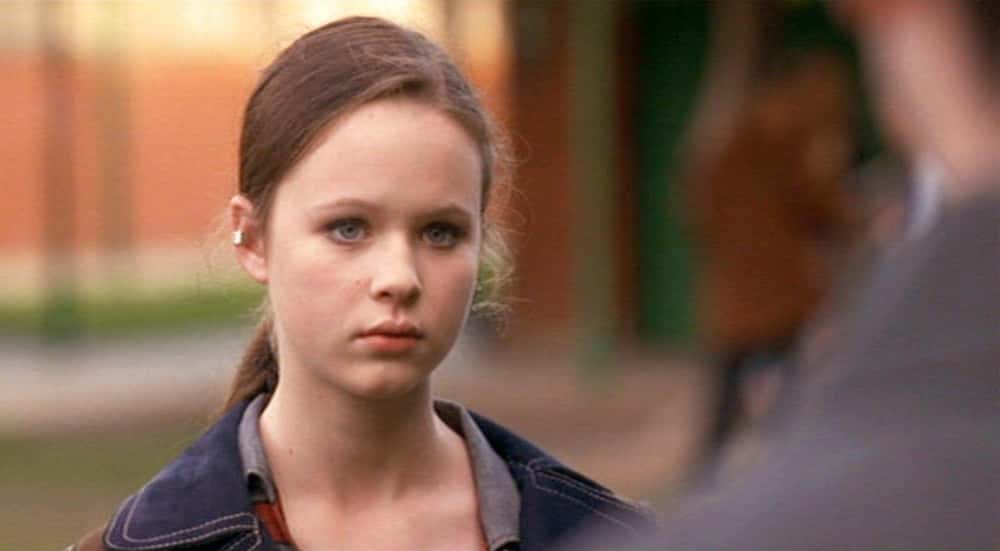
In American Beauty, Thora Birch played a teenage girl who removes her top in front of a neighbor. The scene was intended to show vulnerability rather than sexuality, but it still caused concern because Birch was only 17 at the time.
Her parents were present during filming, along with child labor officials, and strict rules were followed. Birch later said the scene made sense within the story and was not meant to be inappropriate.
Even so, the inclusion of n*de scenes involving a minor made many viewers uncomfortable. It raised questions about how far films should go when depicting teenage characters and whether supervision is enough to justify such decisions.
American Pie and changing views on nude scenes and consent
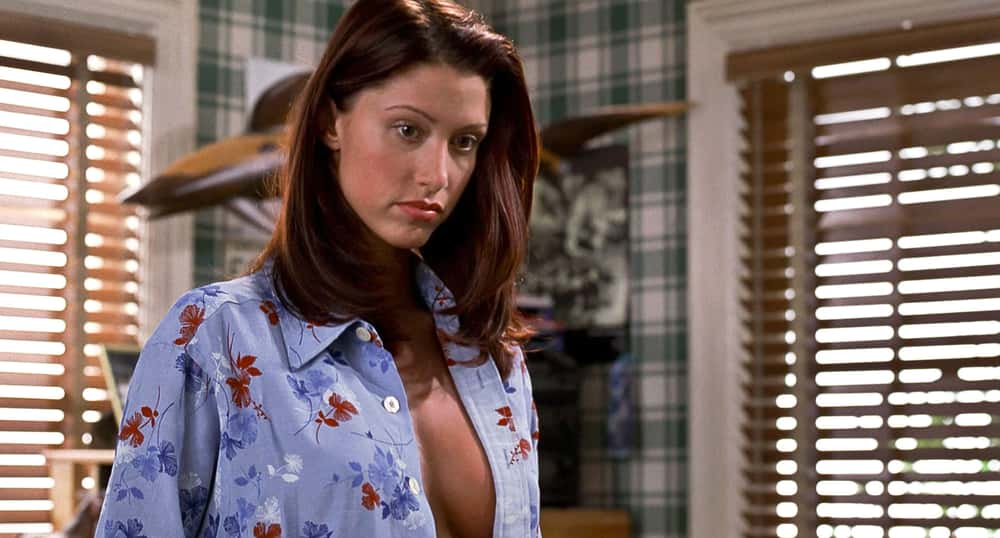
The comedy American Pie included one of the most infamous nude scenes of its time. In the film, a character secretly records a girl changing and shares the footage online without her consent.
When the movie was released, the scene was treated as humorous. Today, it is viewed very differently. Discussions around privacy and consent have changed, and many now see the scene as problematic.
Actor Jason Biggs later admitted that the scene would not be acceptable today. He acknowledged that society has evolved, and what once seemed funny now highlights serious ethical concerns.
This example shows how n*de scenes can age poorly as cultural standards shift.
Romeo and Juliet and unexpected nude scenes
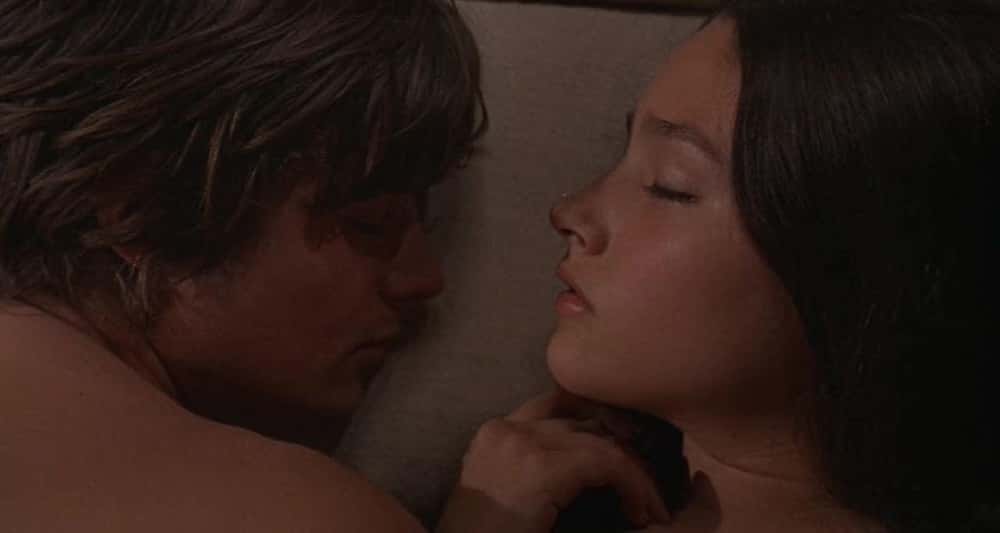
The 1968 version of Romeo and Juliet included nude scenes featuring Olivia Hussey, who was only 15 at the time. She later claimed she was not fully aware of what would be shown until the day of filming.
Director Franco Zeffirelli reportedly reassured her that nothing inappropriate would be visible. However, when she saw the final film, she realized otherwise.
The experience affected her deeply, leading to feelings of shame and long-term emotional distress. Years later, she and her co-star filed a lawsuit against Paramount, claiming exploitation linked to those nude scenes.
This situation highlights how transparency and consent are critical when filming sensitive material.
Eyes Wide Shut and the psychological impact
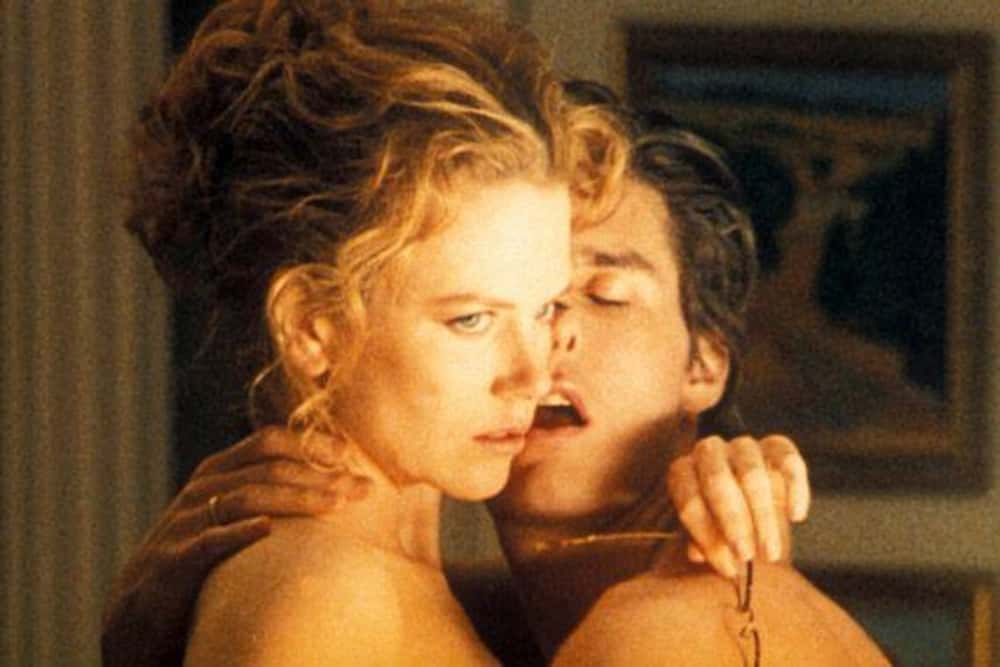
Eyes Wide Shut featured multiple n*de scenes and intense emotional themes involving Tom Cruise and Nicole Kidman. The film was surrounded by secrecy, which led to rumors about the actors’ real-life relationship.
Director Stanley Kubrick pushed both actors to explore deep emotional territory. He even kept them separated during filming to heighten realism. The process blurred the line between performance and reality.
Kidman later explained that the experience was emotionally intense and sometimes uncomfortable. Cruise also admitted that playing his role was unpleasant.
The controversy around these nude scenes was less about what was shown and more about the psychological toll on the actors.
Showgirls and backlash against explicit nude scenes
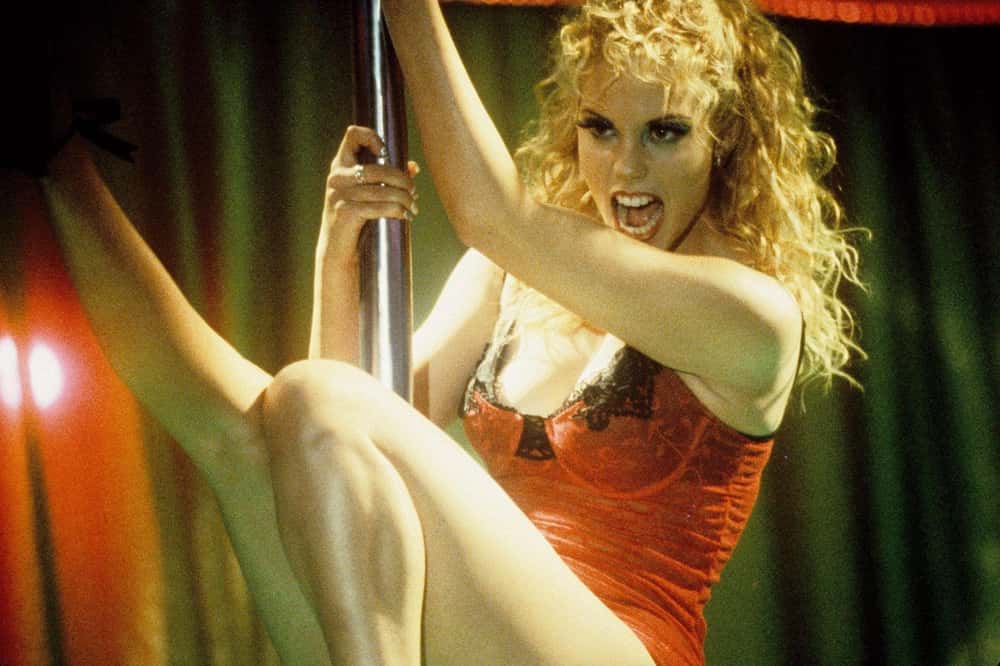
Showgirls was designed to be provocative, featuring numerous explicit nude scenes. The film aimed for an NC-17 rating and pushed boundaries in nearly every aspect.
However, the response was overwhelmingly negative. Critics and audiences rejected the film, and it performed poorly at the box office. Elizabeth Berkley’s career suffered significantly as a result.
Director Paul Verhoeven later defended his approach, explaining that the exaggerated style was intentional. Even so, the backlash showed that excessive use of n*de scenes can alienate audiences instead of attracting them.
Crash and extreme reactions to disturbing nude scenes
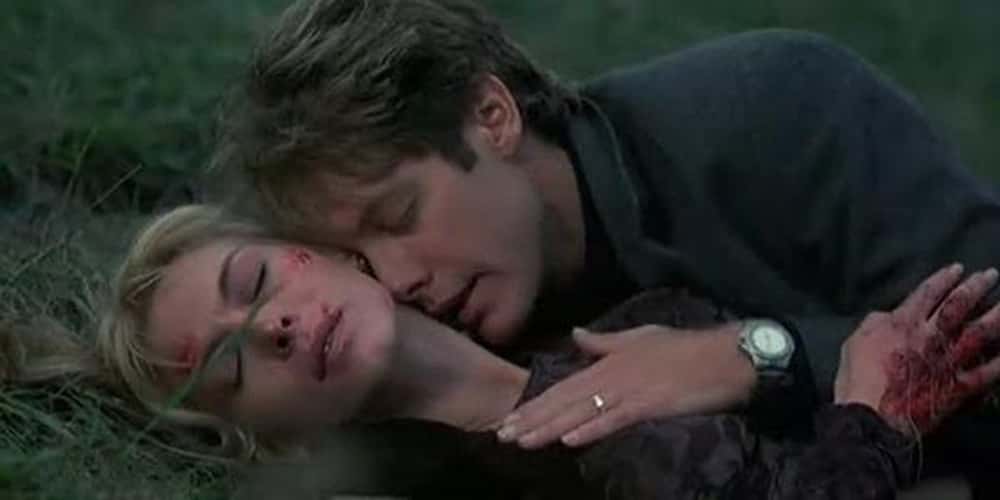
David Cronenberg’s Crash included some of the most disturbing nude scenes ever shown in mainstream cinema. The film explores characters who are sexually aroused by car accidents.
Critics reacted strongly, with some calling the film depraved. The controversy reached its peak during its premiere, where it became the center of a heated debate.
The extreme nature of its n*de scenes made it difficult for many viewers to accept, proving that there are limits to what audiences are willing to tolerate.
Promises! Promises! and the first mainstream nude scenes
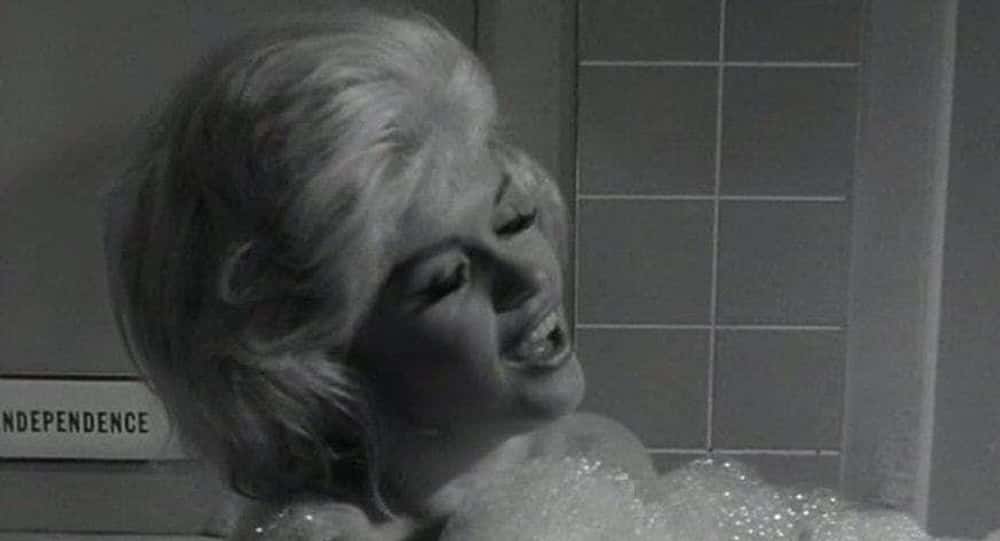
In 1963, Promises! Promises! made history by featuring Jayne Mansfield in nude scenes. At the time, this was completely unexpected, as no rating system existed to prepare audiences.
The film used the controversy as a marketing tool, promoting Mansfield’s appearance heavily. It worked in terms of attention, but also led to bans in several cities.
The backlash showed how shocking nude scenes were during that era, especially when audiences were not warned.
Last Tango in Paris
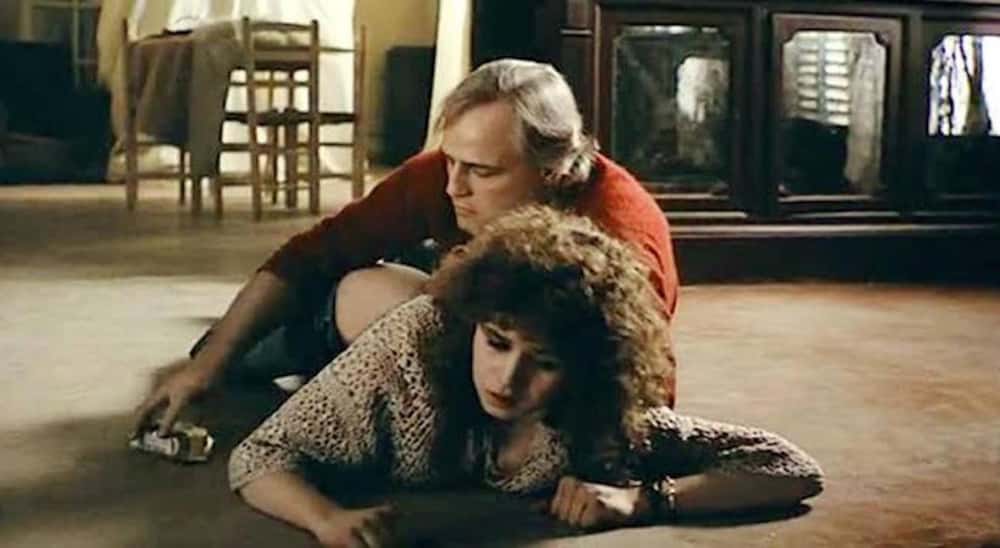
Last Tango in Paris included one of the most controversial nude scenes in film history. Actress Maria Schneider later revealed that a key scene was not in the script and was introduced on the day of filming.
She said she felt humiliated and manipulated, and her emotional reaction during the scene was real. The experience stayed with her for years.
This case is often cited as an example of how nude scenes can cross ethical boundaries when actors are not fully informed or respected.
Sleepaway Camp and debate around identity
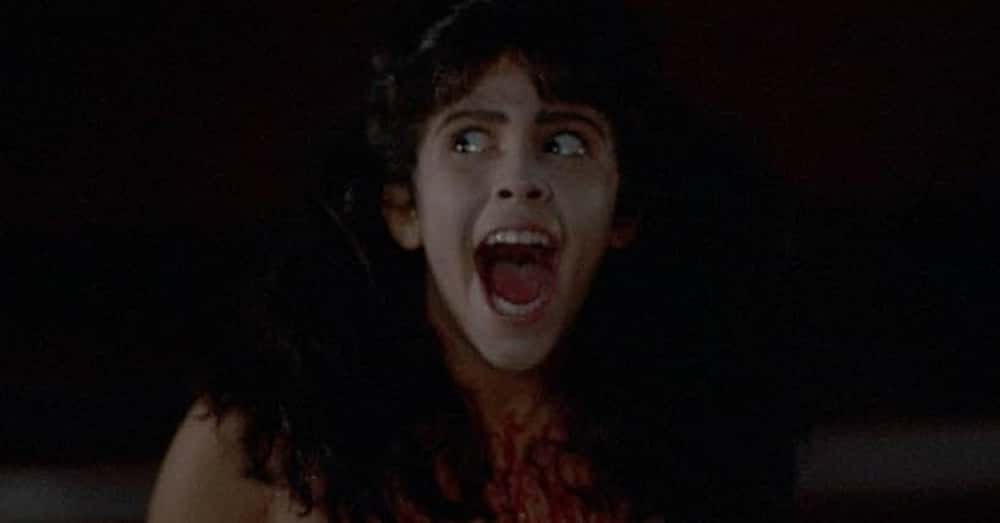
The horror film Sleepaway Camp ends with a shocking reveal involving a character shown nude. The twist sparked ongoing debate about gender identity and representation.
Some viewers see the scene as offensive, while others believe it opened conversations that were rare at the time. Actress Felissa Rose has defended the character, describing her as complex and misunderstood.
This example shows how n*de scenes can influence broader cultural discussions beyond the film itself.
Basic Instinct
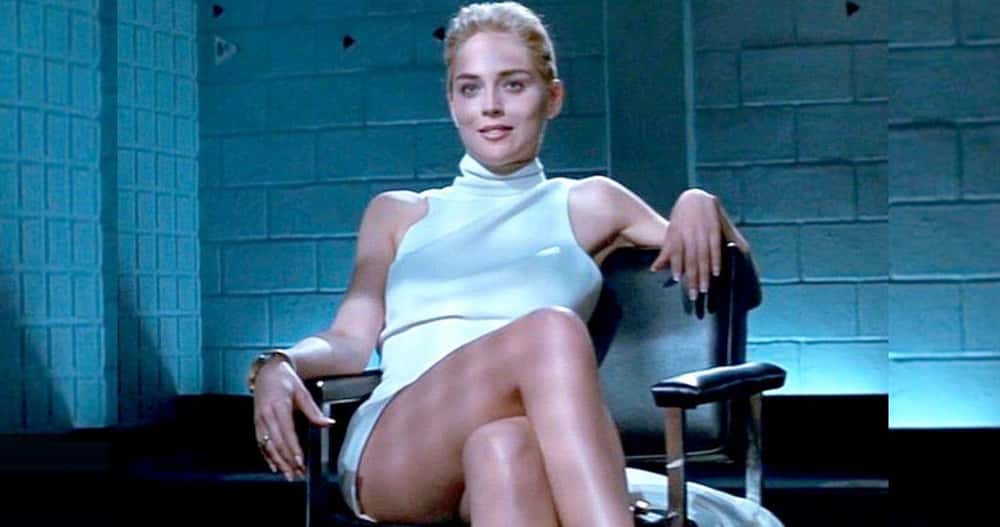
One of the most famous nude scenes in cinema comes from Basic Instinct. Sharon Stone’s interrogation scene shocked audiences when it revealed more than expected.
Stone later said she was told nothing explicit would be visible. When she saw the final version, she realized that was not true.
She considered taking legal action but ultimately allowed the scene to remain. Her experience raised concerns about trust between actors and filmmakers when shooting nude scenes.
Nude scenes continue to be one of the most debated aspects of filmmaking. While they can serve artistic or storytelling purposes, they often come with ethical challenges. From issues of consent to changing cultural standards, these scenes reveal much more than what appears on screen.
As the industry evolves, there is greater awareness around how nude scenes are handled. Actors now have more protections, and audiences are more critical of what they see. Still, these controversial moments remain an important part of film history, showing how far cinema has come and how much it still needs to improve.