5 Essential Nuclear Blast Survival Tips to Avoid Disaster if WW3 Happens

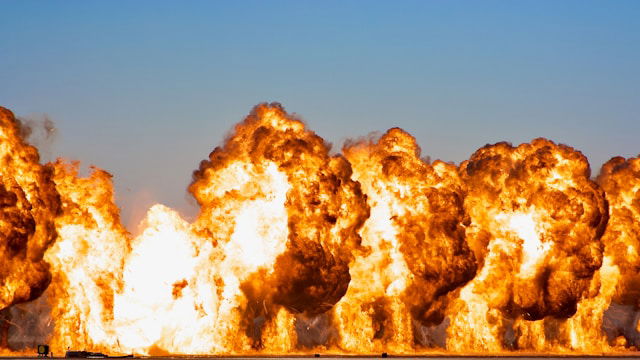
Nuclear blast survival starts with knowing the right actions to take before, during, and after a nuclear explosion. In a world where tensions and fears about global conflict exist, understanding how to protect yourself could make all the difference if a nuclear event ever unfolded. This guide breaks down expert-suggested steps and widely recognised survival strategies into practical, easy-to-read advice that helps strengthen your readiness.
What Nuclear Blast Survival Means
When most people hear “nuclear blast survival,” they think of sudden disaster, flash fires, and instant destruction. A nuclear blast is an explosion from a nuclear weapon that releases tremendous heat, a powerful shock wave, and dangerous radioactive material into the environment. These effects can cause severe harm to people, buildings, and the surrounding area. The concept of survival in this context involves reducing risk, staying informed, and taking steps that give you the best chance of living through such an extreme event.
It is important to be clear that surviving a nuclear blast will depend on factors such as your distance from the explosion, available shelter, preparedness level, and ability to stay calm and act quickly. Experts in emergency preparedness stress that while no situation involving a nuclear explosion can be regarded as “safe,” there are evidence-based steps people can take to reduce injury and exposure to radiation.
Step 1: Drop and Cover Immediately
One of the first steps in nuclear blast survival is reacting instantly if you see a bright flash or hear an explosion. An expert who shares survival advice on social platforms describes this as the first crucial move to protect yourself from the initial blast effects.
The idea is simple: get low to the ground and cover your head. In practice, this means:
- Lie face down with your feet pointed away from the blast source.
- Cover your head and neck with your arms.
- Keep your mouth open slightly to help equalise the pressure from the blast wave.
- Do not look at the flash, because it can cause eye damage.
This instinctive response helps protect your body from the direct force of the pressure wave and flying debris. In historical civil defense training, this practice was known as “duck and cover,” a strategy designed to give people some protection from blast effects outside the immediate explosion zone.
It is important to understand that this step is only useful in the first seconds to minutes after the blast occurs and is not a substitute for reaching solid shelter.
Step 2: Surviving the Shockwave
If you are not in the absolute centre of the blast, your next objective in nuclear blast survival is dealing with the shockwave. The shockwave travels faster than sound and can destroy structures, shatter glass, and throw debris with high force.
The expert says that:
- If you are within about one mile of the explosion, your survival chances are very low due to extreme heat and pressure.
- At about three miles out, buildings may collapse, and debris will be hazardous, but staying indoors or underground improves your odds.
- At ten miles or more, the shockwave is weaker, but radiation and falling debris still pose a risk.
To survive the shockwave, you must:
- Get inside the strongest building you can find immediately.
- Move away from windows and outer walls.
- Go to the centre or lowest floor of a sturdy structure such as a basement or underground station.
Buildings made from brick, concrete, or stone offer better protection than lightweight structures. The goal is to put as many solid barriers between you and the outside as possible because dense materials absorb and deflect the force from flying objects and blast pressure.
Step 3: Get Inside Quickly and Secure Shelter
One of the most emphasised points in nuclear blast survival is getting inside a secure location as fast as you can. Once the initial explosion has occurred, the environment outside becomes dangerous not only because of ongoing blast effects but also because radioactive material will begin to settle.
Fallout refers to radioactive dust and particles that descend from the mushroom cloud and spread across large areas. These particles can enter your body through inhalation or skin contact and cause serious health issues over time.
When seeking shelter:
- Choose an underground location like a basement or subway station if available.
- If no underground options exist, go into a building made from thick materials and get to the interior rooms or hallways.
- Avoid windows, doors, and outer walls where shattering glass and debris may penetrate.
- Seal doors, windows, and ventilation openings as much as possible to reduce fallout entering your space.
Fallout shelters were built during earlier eras with thick walls and protective materials specifically to reduce exposure to gamma radiation through shielding. Even a makeshift shelter in a strong building will significantly reduce radiation exposure compared with staying outside.
Step 4: Stay Sheltered for the First Crucial Days
Once you find a suitable shelter, the next major phase of nuclear blast survival is remaining inside for at least the first 24 to 72 hours and ideally longer. The early hours and days after a nuclear blast are when radiation levels from fallout are highest and most dangerous.
Here is what you should do while in shelter:
- Cut off as much airflow from the outside as possible by sealing openings with tape or cloth.
- Use available materials to increase density around you, such as stacking furniture or heavy items against doors and windows.
- Stay informed by having a battery-powered radio or other communication device that does not rely on external power.
- Ration food and water so that supplies last. Ideally, you should have a survival kit prepared in advance with at least a two-week supply.
Being patient and staying put is key because radiation decreases significantly as time passes. The most dangerous period is the first 48 hours, after which radiation levels begin to fall, and the risk lessens gradually.
You may hear conflicting information from others or feel the urge to leave shelter, but only depart when you have reliable confirmation that it is safe from public safety officials or emergency broadcasts. This helps avoid exposure to harmful fallout dust and unstable conditions outside.
Step 5: Going Outside When You Must
In nuclear blast survival, there will be times you must leave your shelter, especially if supplies run low, medical needs arise, or the safe zone changes. If you must venture outside, do so with extreme care and planning.
Before leaving shelter:
- Cover your mouth and nose with a cloth or mask to reduce inhaling radioactive dust.
- Wear long sleeves, gloves, goggles if available, and other protective clothing to minimise skin exposure.
- Travel at right angles to the wind direction to reduce exposure to drifting fallout.
If you come back into a safe shelter:
- Remove your outer clothing and seal it in a plastic bag outside.
- Wash your hands, face, and any exposed skin thoroughly.
- Avoid touching your face and mouth with contaminated hands.
These steps lower the amount of radioactive material that could cling to your body and be carried into safer areas. Being careful with your own decontamination is a fundamental part of surviving after the initial explosion.
@prepperpress 5 Steps to Survive a Nuclear Blast during WW3. #ww3 #prepper #nuclearwar #survivaltips #preppertips #apocalypse ♬ original sound – Prepper Press
Nuclear blast survival is not just about what you do during and after an explosion. What you do beforehand greatly increases your chances of coping with the crisis.
Here are practical things to prepare in advance:
Create a Survival Kit
Build a kit that includes:
- Non-perishable food and water for at least two weeks.
- First aid supplies.
- Flashlights and spare batteries.
- A portable radio to get emergency alerts.
- Dust masks or cloths.
- Tools such as a wrench, rope, and multi-tool.
Know Your Shelter Options
Identify safe places near your home, school, or workplace that can serve as makeshift fallout shelters. Underground basements, sturdy interior rooms, or reinforced building areas are significantly safer during a blast.
Learn Basic First Aid
Medical services may be overwhelmed after a nuclear event. Basic first aid skills help you care for cuts, burns, shock, radiation symptoms, and injuries until professional help arrives, if it does.
Plan Communication and Meeting Points
Have a plan for how to reach family members if you are separated. Choose meeting points that are inside secure buildings and keep important phone numbers written down in case electronic devices fail.
Preparation does not guarantee survival, but it undeniably improves your nuclear blast survival odds compared with having no plan at all.
Among all aspects of nuclear blast survival, coping with the psychological impact is often overlooked but crucial. A nuclear event is catastrophic and stressful, but keeping a calm and clear head helps you think rationally and act on your survival plan.
Keep these in mind:
- Create routines inside the shelter to maintain normalcy.
- Focus on achievable daily tasks.
- Support and cooperate with others if you are with family or community members.
- Take breaks from listening to distressing news when possible.
Mental strength and cooperation can help you make better decisions, stay calmer, and support others who may panic.
Tools and Resources That Can Help
Certain tools and resources can significantly assist in nuclear blast survival, especially if planned ahead of time.
- Geiger Counters
These measure radiation levels and help you decide when it might be safer to leave shelter.
- Portable Chargers and Batteries
Reliable power sources keep radios and communication devices working when electrical grids fail.
- Emergency Alerts
Sign up for official government alerts that can notify you about nuclear threats, evacuation orders, or safety instructions.
- Community Preparedness Groups
Local emergency response groups often share additional knowledge and practice drills that increase public readiness.
Nuclear blast survival is not a one-time task. It requires ongoing attention, staying informed about threats, and regularly updating your emergency plans and supplies. While no one wants to experience a nuclear disaster, equipping yourself with knowledge and resources gives you an advantage in the face of extreme events.
Being prepared is not about panic; it is about empowerment. Taking these steps helps you protect yourself, your loved ones, and your community if a nuclear threat ever materialises.
Nuclear blast survival is a challenging subject that can provoke fear, but it also offers practical steps you can take to strengthen your readiness. From dropping and covering during the initial seconds, to staying sheltered and reacting carefully after the explosion, to preparing in advance and maintaining emotional resilience, each piece of advice helps form a clearer path to safety. While no amount of planning can make a nuclear event easy to endure, understanding effective survival actions gives you a much better chance of living through it.
Stay informed, prepare your supplies, and know your shelter options. These are the real fundamentals of nuclear blast survival that everyone should consider.