
8 Everyday Items You Should Never Put in the Dishwasher

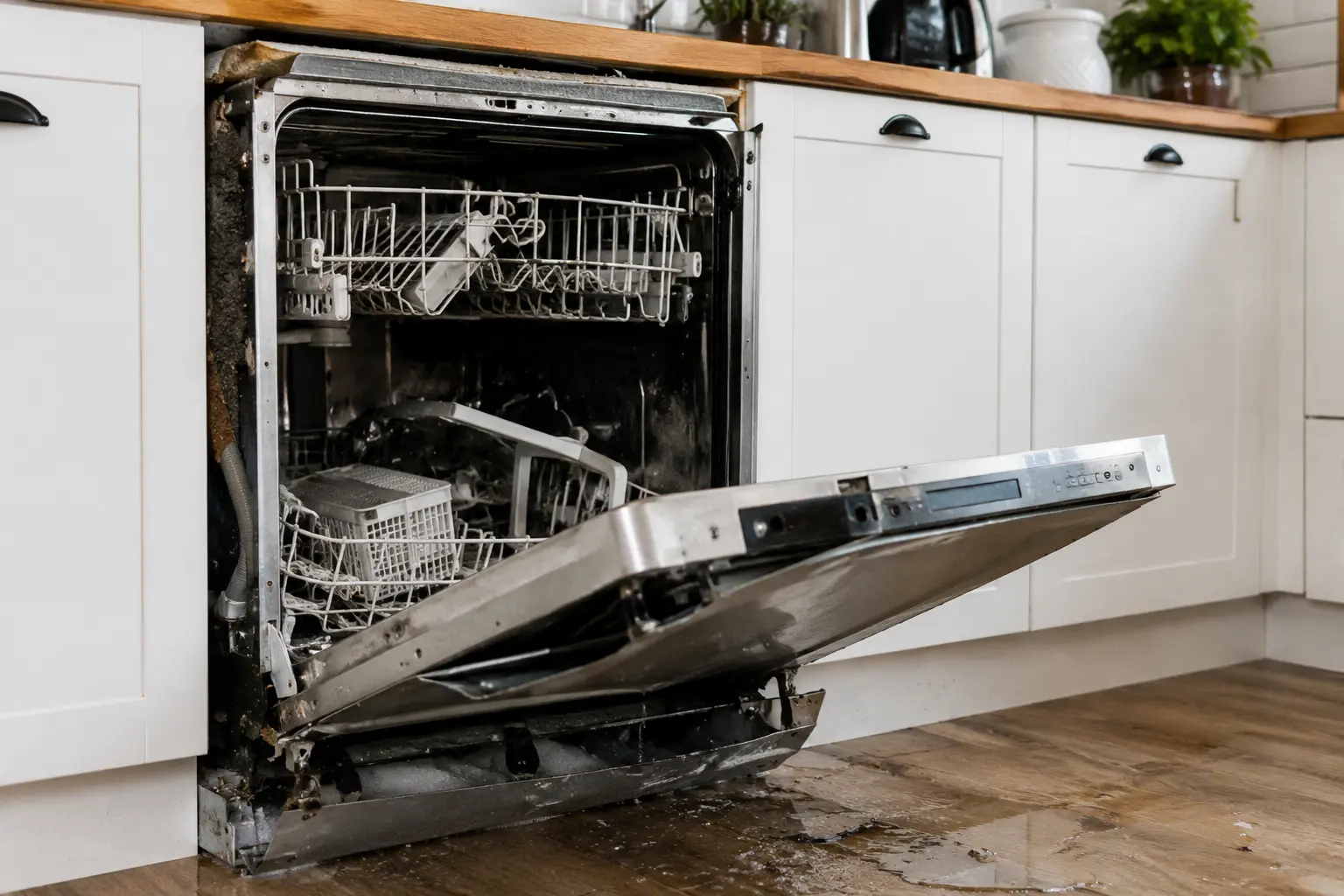
There are few kitchen appliances as satisfying as the dishwasher. After cooking dinner, the last thing most of us want is to stand at the sink scrubbing greasy pans and stacks of plates.
Loading everything into the dishwasher, adding detergent, and pressing start feels like one of life’s simplest pleasures.
But as convenient as a dishwasher is, it isn’t designed for everything.
I learned that lesson the expensive way.
A few years ago, I treated myself to a high-quality chef’s knife after months of debating whether it was worth the money.
It sliced through vegetables like butter, felt perfectly balanced in my hand, and quickly became the tool I reached for every single day.
One evening, after making dinner for friends, I was exhausted. Instead of washing the knife by hand like I normally did, I tossed it into the dishwasher without giving it a second thought.
The next morning, I instantly regretted it.
The blade had lost its razor-sharp edge, tiny spots had appeared along the metal, and the wooden handle no longer looked the same. One lazy decision had permanently damaged my favorite kitchen tool.
That experience made me realize something many people don’t know: just because something fits inside the dishwasher doesn’t mean it belongs there.
Why the Dishwasher Can Damage Certain Items
A dishwasher does far more than spray dishes with water. During every cycle, it exposes cookware and utensils to conditions that can be surprisingly harsh.
Very hot water, powerful jets, strong detergents, long periods of moisture, and high drying temperatures all work together to clean dishes. While that’s great for plates and glasses, it can shorten the life of many everyday kitchen items.
If you want your cookware to last for years instead of months, these are the items that should stay out of the dishwasher.
1. Cast Iron Cookware
A well-seasoned cast iron skillet can last generations, but one trip through the dishwasher can undo years of care.
The detergent strips away the protective seasoning that keeps food from sticking and prevents rust. Once that layer disappears, moisture quickly begins attacking the bare metal.
Instead, rinse cast iron with warm water, scrub gently with a brush if needed, dry it immediately, and apply a light coating of oil before storing it.
2. Sharp Kitchen Knives
Professional chefs almost never put their knives in the dishwasher, and for good reason.
The heat and detergent gradually dull the blade, while the constant movement during the wash cycle can chip the cutting edge. Wooden handles may crack, and some rivets can loosen over time.
A quality knife only takes a few seconds to wash by hand, and doing so can add years to its lifespan.
3. Wooden Spoons, Spatulas, and Cutting Boards
Wood and water have never been the best combination.
During a dishwasher cycle, wooden utensils repeatedly expand and contract as they’re exposed to hot water and intense drying heat. Eventually they begin to split, warp, or crack.
Cutting boards are especially vulnerable because trapped moisture can weaken the wood over time.
Wash wooden kitchen tools with warm soapy water, dry them immediately, and occasionally apply food-safe mineral oil to keep them in excellent condition.
4. Nonstick Pans
Modern nonstick cookware is incredibly convenient, but the coating is more delicate than many people realize.
Repeated trips through the dishwasher can slowly break down that protective surface. The combination of strong detergent, heat, and contact with other cookware often leads to scratches and peeling.
Once the coating starts wearing away, the pan loses its nonstick performance and may need replacing much sooner than expected.
A soft sponge and a little dish soap are all you need.
5. Crystal and Delicate Glassware
Beautiful crystal glasses deserve a little extra care.
Inside the dishwasher, they can knock against other dishes, leading to tiny chips or cracks that aren’t always noticeable at first. Over time, the glass may also develop a cloudy appearance that never fully disappears.
Hand washing with mild soap and drying immediately with a soft microfiber cloth helps preserve their sparkle.
6. Copper and Brass Cookware
Copper pots and brass serving pieces look stunning because of their rich finish.
Unfortunately, dishwasher detergent reacts with these metals, often leaving behind dark stains, discoloration, or a dull appearance.
Even if the cookware still functions perfectly, restoring its original shine can require a significant amount of polishing.
Hand washing is the safest choice if you want these pieces to keep looking beautiful.
7. Some Plastic Containers
Not every plastic container is made to survive dishwasher temperatures.
Lower-quality plastics may soften, warp, or even melt slightly during the drying cycle. Some lids no longer fit properly after repeated exposure to heat.
If you’re unsure whether a container is dishwasher safe, check the symbol on the bottom. When it is safe, placing it on the top rack reduces exposure to the highest temperatures.
8. Insulated Travel Mugs
Many insulated mugs use a vacuum-sealed layer that helps keep coffee hot or water cold for hours.
A dishwasher can damage that seal over time, reducing the mug’s ability to maintain temperature. Rubber gaskets inside the lid may also wear out faster after repeated exposure to high heat.
Most manufacturers recommend washing insulated mugs by hand to preserve their performance.
It’s easy to think that hand washing takes too much time.
In reality, cleaning a knife, wooden spoon, or favorite pan usually takes less than a minute.
Those few extra moments can save you from replacing expensive cookware long before its time.
A few simple habits make hand washing even easier:
Use warm water instead of extremely hot water.
Choose a gentle dish soap.
Clean with a soft sponge rather than abrasive scrubbers.
Rinse thoroughly so no soap remains.
Dry everything right away instead of letting it air dry.
These small steps help prevent water spots, rust, and unnecessary wear.
The dishwasher is still one of the most useful appliances in any kitchen, but it isn’t a one-size-fits-all solution.
Some items simply last much longer when they’re cleaned by hand. Whether it’s a favorite chef’s knife, a cast iron skillet that’s been in the family for years, or the travel mug you use every morning, a little extra care can make a huge difference.
I still think about that expensive knife every time I load the dishwasher.
It only took one careless decision to damage something I used almost every day. Since then, I’ve become much more selective about what goes into the dishwasher, and my kitchen tools have lasted much longer because of it.
What’s one kitchen item you never trust to the dishwasher? Chances are, someone else could learn from your experience too.