8 Reasons Why You Get That Uncomfortable Dry Mouth at Night

Dry mouth at night can leave you waking up tired and uncomfortable, despite having had a full night’s sleep. Experiencing a parched mouth is more than just an inconvenience. It can signal underlying health issues that may affect your overall well-being. Understanding why your mouth feels dry at night is essential for improving both your sleep quality and daily energy levels.
1. Digestive Issues Can Cause Dry Mouth at Night

Digestive problems are often overlooked as a reason for waking up with a dry mouth. What you eat before bedtime plays a major role in how your digestive system functions while you sleep. Foods that are greasy, spicy, or salty are particularly problematic at night. These types of meals can irritate the digestive system and make it harder for your body to process food properly during sleep.
When your digestive system works harder than usual, it draws fluids from other areas of the body, including your mouth. This can leave your mouth feeling dry by morning. Over time, poor nighttime eating habits can also affect blood pressure and fat metabolism, further contributing to dehydration and digestive discomfort. Choosing light, balanced snacks in the evening can help reduce dry mouth and support smoother digestion.
2. Liver Problems May Lead to Dry Mouth at Night
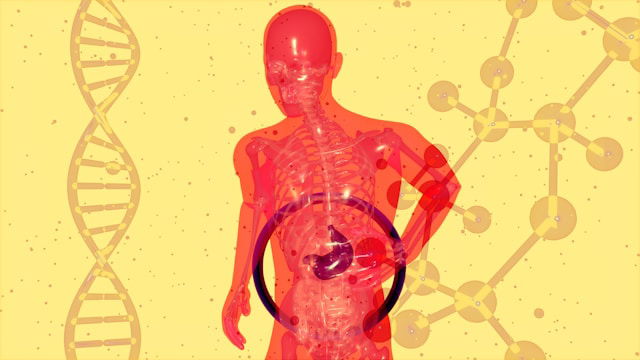
Your liver plays a critical role in filtering toxins from the body. When liver function is compromised, toxins may accumulate, subtly impacting your health in several ways. One of these signs is waking up with a dry mouth.
If you notice that your mouth is frequently dry at night without any clear reason, it could indicate an underlying liver problem. Chronic dry mouth related to liver issues often appears alongside other symptoms such as fatigue, digestive discomfort, or changes in skin color. Consulting a medical professional is recommended if dry mouth is persistent, as early detection of liver dysfunction can prevent more serious complications.
3. Dehydration Is a Common Cause
Not drinking enough water during the day is a simple but major cause of dry mouth at night. Even when you are asleep, your body continues to lose water through breathing, sweating, and other metabolic processes. If your overall hydration is low, these natural fluid losses can leave your mouth parched by morning.
Drinking enough water consistently throughout the day is key to preventing nighttime dryness. Hydration helps maintain saliva production, which is essential for keeping the mouth moist. Adding hydrating foods like fruits and vegetables to your diet can also support fluid balance and reduce the risk of waking up with an uncomfortable dry mouth.
4. Oral Diseases
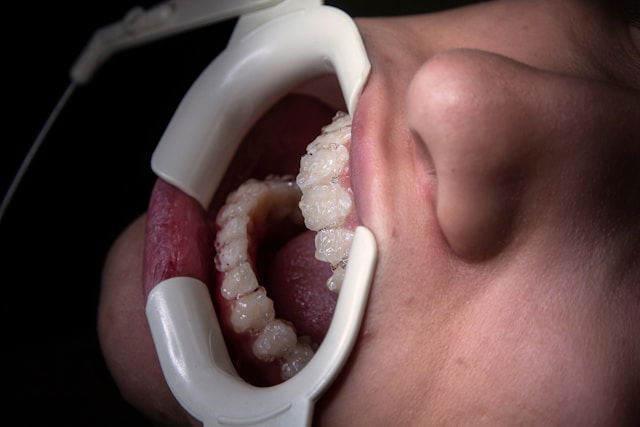
Poor oral hygiene can lead to diseases such as gingivitis, periodontitis, and cavities, which in turn contribute to dry mouth at night. Harmful bacteria in the mouth multiply during the night, causing inflammation and reducing saliva production.
The good news is that dry mouth caused by oral disease can be prevented. Regular brushing and flossing, along with routine dental visits, can keep harmful bacteria in check. Maintaining proper oral hygiene not only reduces dryness but also prevents more serious infections from developing. Over time, a clean mouth will feel naturally moister and more comfortable during sleep.
5. Diabetes

People living with diabetes frequently experience dry mouth, especially at night. Elevated blood sugar levels force the kidneys to work harder to remove excess sugar from the bloodstream. This process causes fluid loss, which can leave the mouth extremely dry during sleep.
Managing blood sugar levels through a balanced diet, medication, and regular exercise can significantly reduce the frequency of dry mouth episodes. People with diabetes should also monitor their hydration levels closely, as staying hydrated is essential to prevent dryness and support overall health. Regular check-ups with a healthcare professional can identify complications early and provide effective treatment options.
6. Bile Reflux Can Make the Mouth Dry at Night

Bile reflux occurs when digestive fluids flow upward from the small intestine into the stomach and esophagus. This condition can contribute to dry mouth at night along with symptoms like nausea, heartburn, and digestive discomfort.
Supporting liver health and following a diet that minimizes reflux triggers can help reduce nighttime dryness. Avoiding heavy, fatty meals late at night and eating smaller portions can improve digestion and protect your mouth from feeling parched during sleep. Paying attention to how your body responds to food is essential in managing bile reflux effectively.
7. Fever
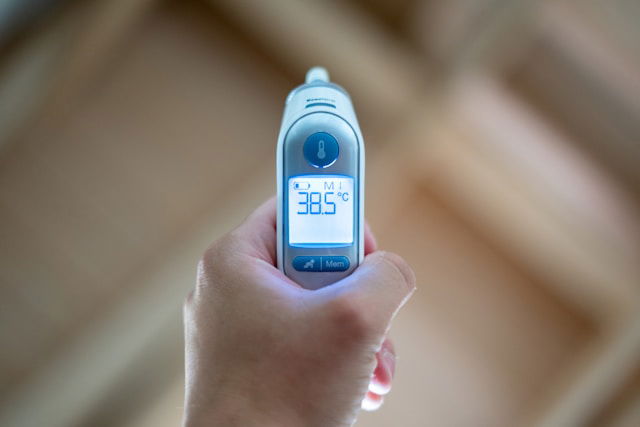
When your body temperature rises due to fever, you lose more fluids than normal. This can lead to a dry mouth and an uncomfortable burning or itchy sensation.
Hydration is essential when fighting a fever. Drinking water, resting, and using fever-reducing medications if necessary can help maintain fluid balance and prevent the mouth from drying out. Nighttime dryness from fever usually resolves once the body temperature stabilizes, but remaining aware of your hydration needs is key to staying comfortable during illness.
8. Hyperthyroidism

An overactive thyroid accelerates metabolism, which increases the body’s demand for water. Hyperthyroidism also overstimulates the nervous system, contributing to persistent dry mouth even during sleep.
Symptoms of hyperthyroidism may include rapid heartbeat, unexplained weight loss, and heightened anxiety, alongside dryness in the mouth. If you suspect thyroid issues, consulting a healthcare professional is crucial for diagnosis and treatment. Managing thyroid function can relieve dryness and improve overall sleep quality, energy levels, and daily well-being.
If you often wake up with a dry mouth, there are several practical steps you can take. Start by examining your diet. Avoid late-night snacks that are greasy, salty, or heavily spiced. Instead, choose lighter, hydrating foods. Increasing water intake throughout the day is also essential. Even a few extra sips of water in the evening can help prevent dryness during sleep.
Oral hygiene is equally important. Brush and floss daily, and visit your dentist regularly. Maintaining a healthy mouth ensures that harmful bacteria do not multiply overnight, reducing inflammation and dryness. For individuals with diabetes or thyroid conditions, monitoring blood sugar and thyroid function can provide significant relief from dry mouth symptoms.
Persistent dry mouth at night should not be ignored. If lifestyle changes such as better hydration, diet adjustments, and oral hygiene improvements do not alleviate symptoms, it may signal an underlying medical condition. Liver issues, diabetes, bile reflux, fever, or thyroid problems could all be contributing factors.
A healthcare professional can help identify the cause and recommend appropriate treatment. Early intervention is key to preventing further complications and improving both your sleep and overall health. Regular check-ups and honest discussions about symptoms will ensure that your dry mouth does not indicate a more serious condition.
Waking up with a dry mouth can feel uncomfortable, but it also offers clues about your overall health. From digestive issues and liver function to hydration and oral hygiene, many factors contribute to nighttime dryness. By paying attention to your diet, maintaining hydration, and taking care of your oral health, you can reduce the occurrence of dry mouth and enjoy more restful sleep.
If lifestyle adjustments are not enough, consulting a doctor can uncover hidden conditions like diabetes, bile reflux, fever, or thyroid disorders. Addressing these underlying issues not only improves mouth moisture but also enhances your overall energy and well-being. Taking care of your body during the night ensures that you wake up refreshed, hydrated, and ready to start the day.