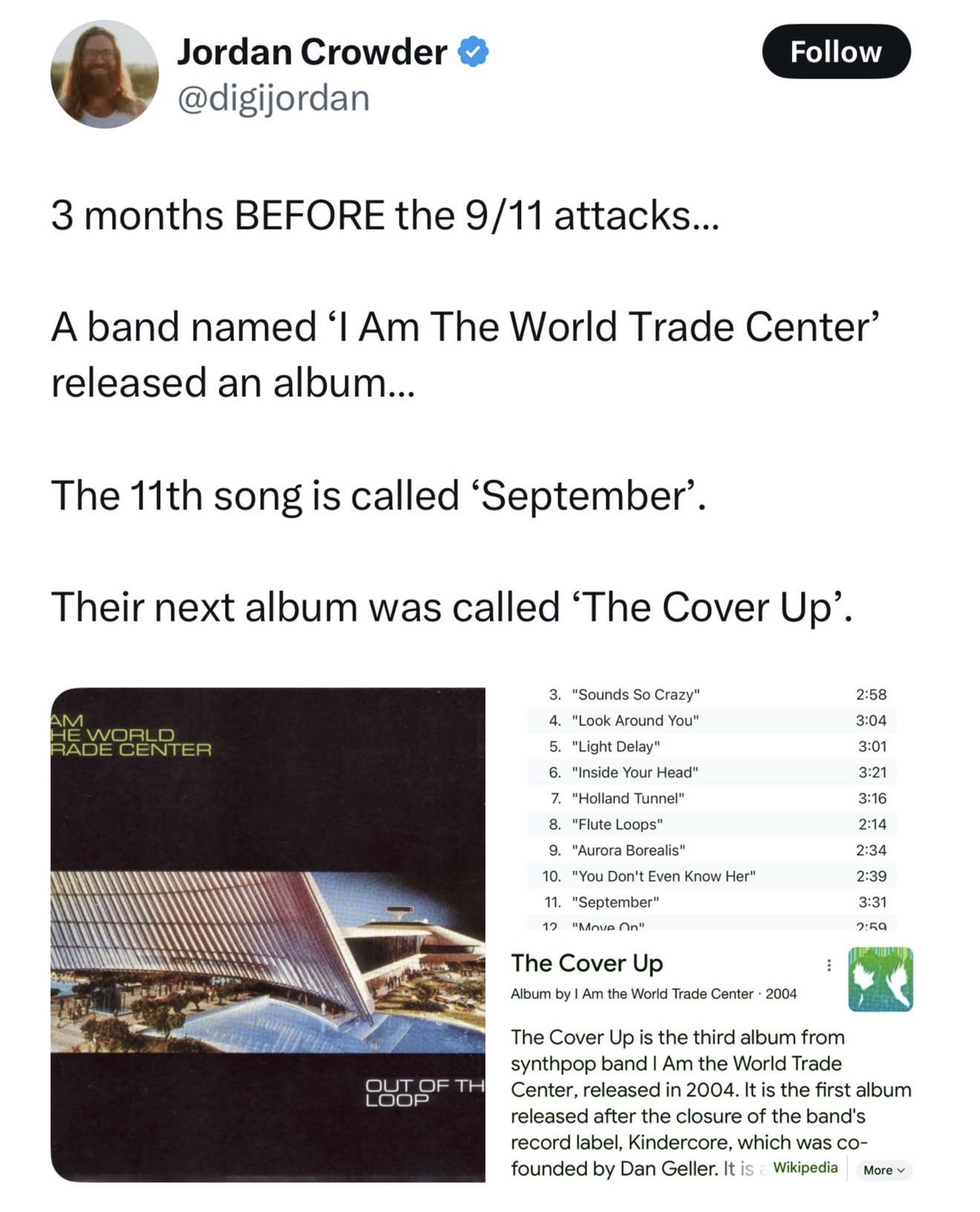

More than twenty years after the September 11 attacks, debates and conspiracy theories surrounding the tragedy continue to circulate, particularly across online platforms.
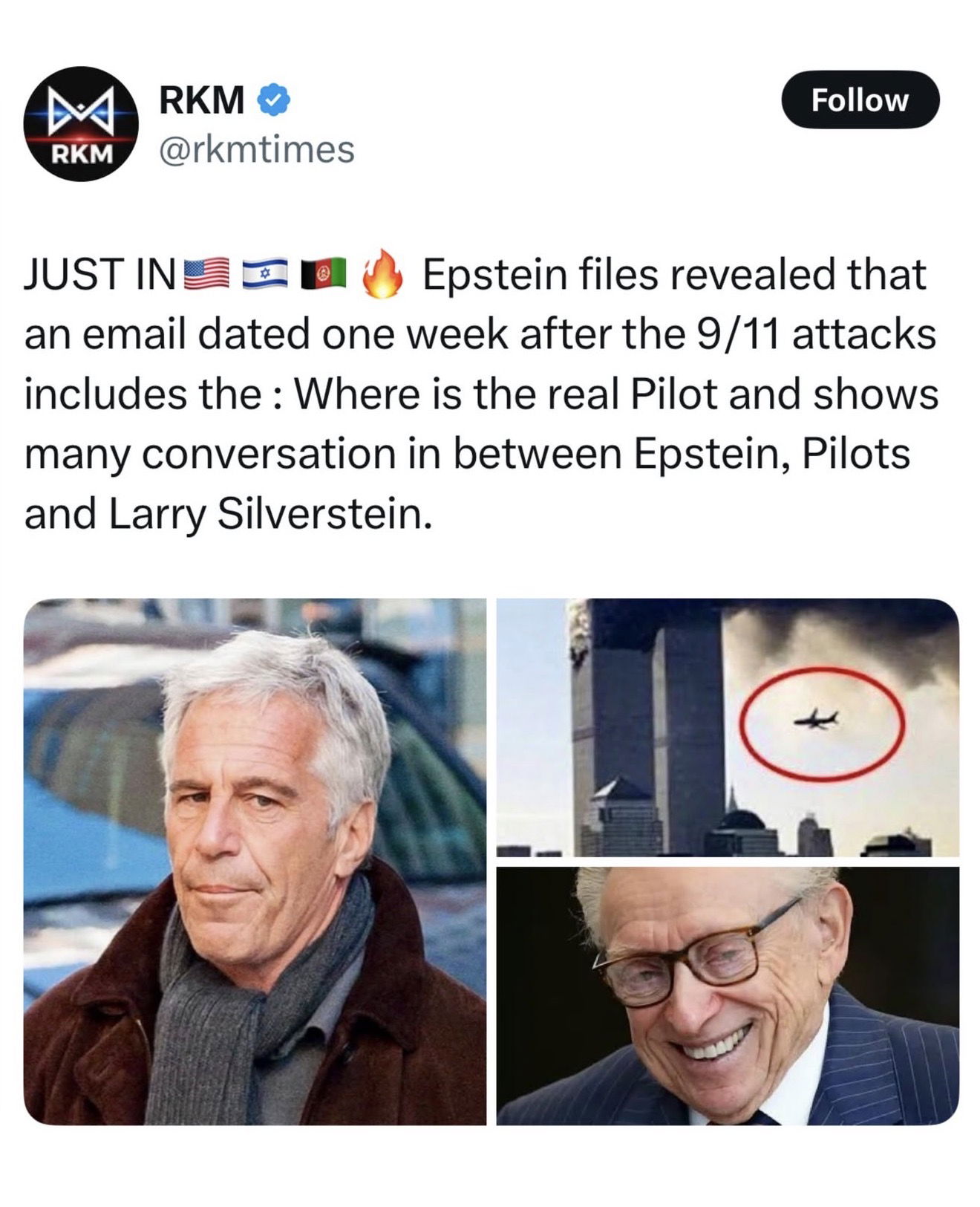
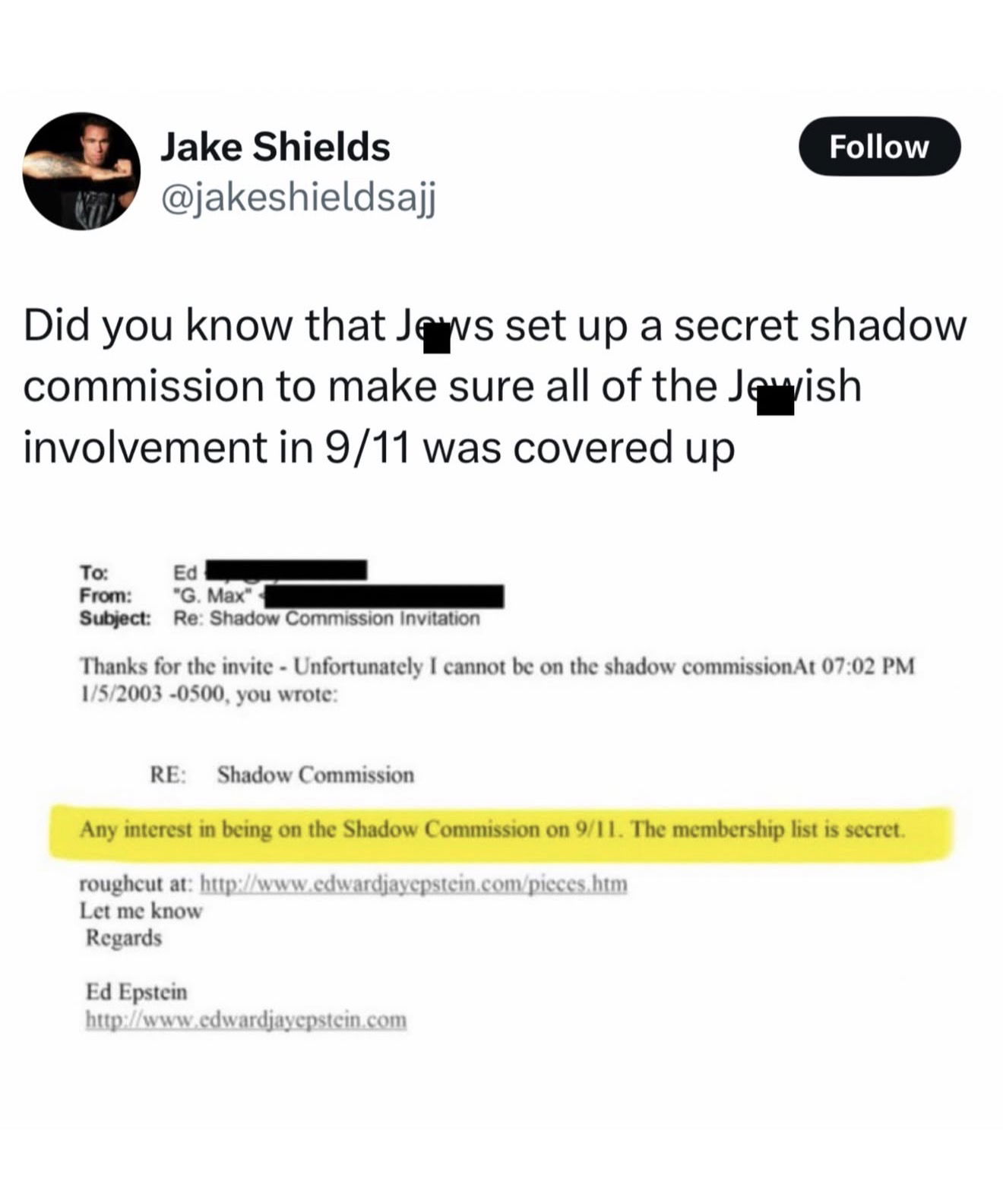
A segment of commentators still argues that the attacks were a so-called “false flag” operation — a term describing an assault allegedly carried out by one group but blamed on another.
Supporters of this narrative frequently cite intelligence warnings reported before the attacks, the controversial collapse of World Trade Center Building 7, and claims about hijackers’ passports allegedly recovered from the debris.
Others focus on how the attacks dramatically influenced U.S. foreign policy, pointing to the military campaigns that followed in Afghanistan and Iraq.
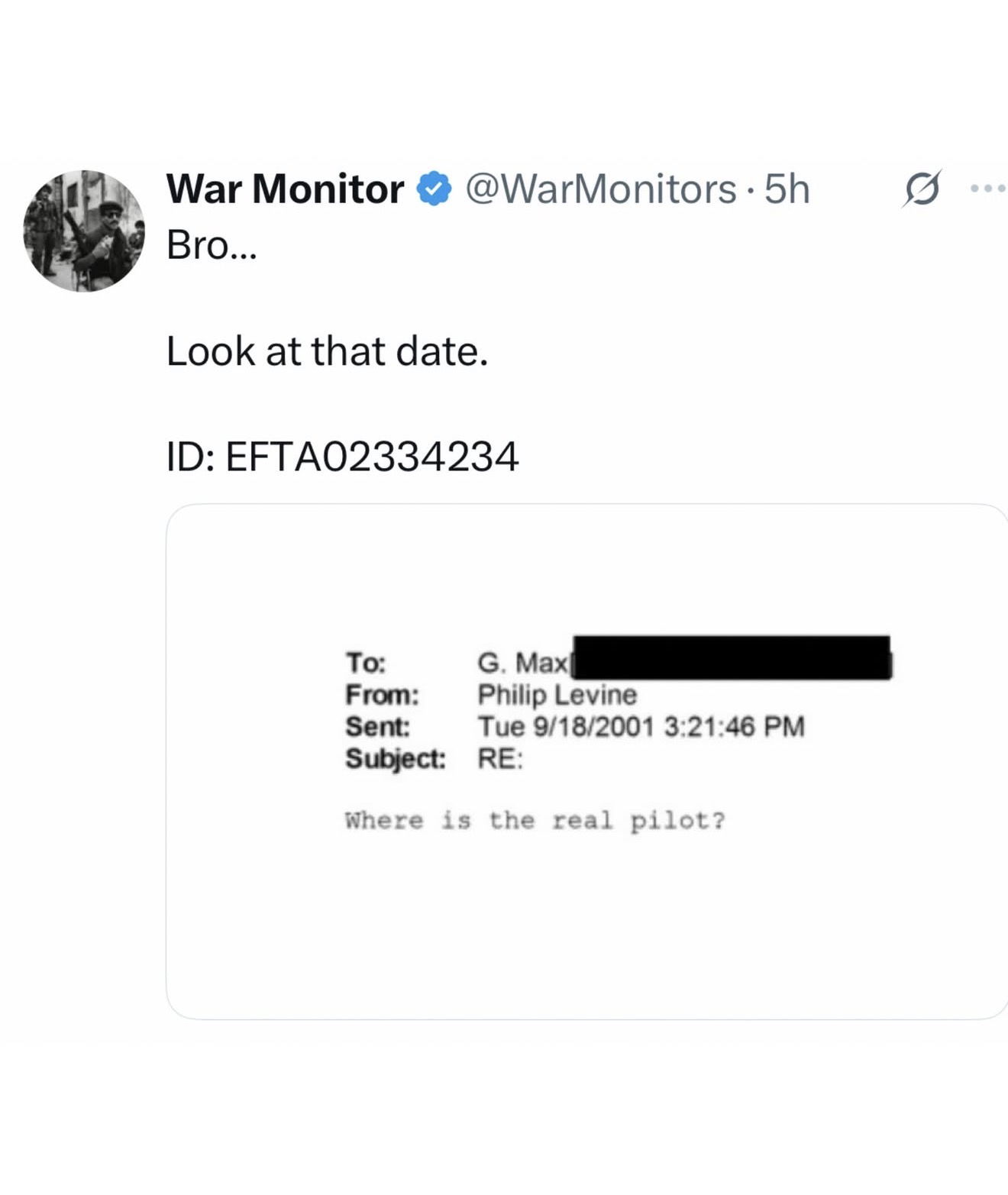
Critics within these circles also argue that the long-term impact of 9/11 contributed to increased social polarization and a rise in anti-Muslim sentiment across the United States and parts of Europe.
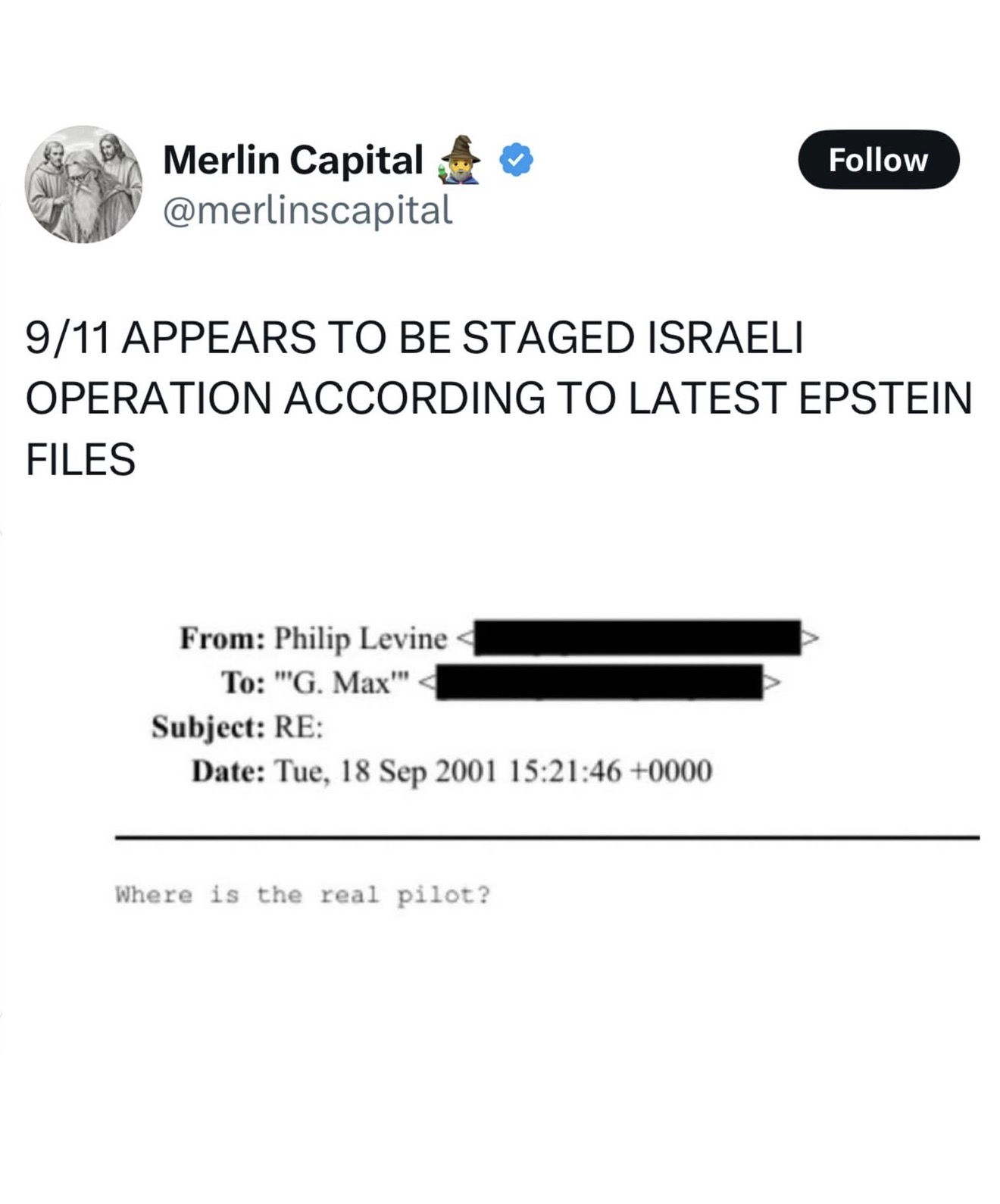
According to these claims, the attacks helped build public support for Western military involvement in the Middle East, referencing the War on Terror and the 2003 invasion of Iraq as key examples. For many who hold these views, such developments are seen as signs that the attacks served a broader geopolitical purpose.