

Too much intimacy can feel impossible at first, especially when everything is new and exciting. In the early stages of a relationship, closeness feels effortless, magnetic, and deeply satisfying. You want to be near each other as often as possible, and nothing about that feels wrong. It feels natural, even necessary, as if this constant connection is proof of how strong the bond is.
Over time, however, even the most beautiful experiences can shift when they happen without pause. Intimacy is not only about how often two people connect physically. It is about emotional presence, mutual desire, and balance. When closeness becomes constant, the body and mind start to respond in subtle but important ways. What once felt energizing can begin to feel heavy. What once felt exciting may start to feel routine.
Below are nine common things that tend to happen when intimacy becomes too frequent, and balance slowly disappears from the relationship.

1. Your body starts to feel exhausted
One of the first signs of too much intimacy is physical fatigue. While closeness can be energizing in healthy amounts, overdoing it can leave your body feeling worn out instead of refreshed. This is similar to overtraining at the gym. Even something good can become draining when the body does not have time to recover.
You may wake up feeling tired despite getting enough hours of sleep. Muscles may feel sore without a clear reason. Your overall energy levels may drop, and you might feel slower both mentally and physically. These signals are not random. They are your body asking for rest and balance.
Intimacy should support your well-being, not take away from it. When your body feels consistently drained, it is a sign that something needs to shift.
2. The excitement slowly fades away

A big part of what makes intimacy powerful is anticipation. The waiting, the subtle tension during the day, the quiet excitement of knowing what is coming later. These moments build desire and make closeness feel special.
When intimacy happens too often, that sense of anticipation disappears. There is no time for longing to grow. What once made your heart race may begin to feel predictable. The experience can start to blend into everyday routine instead of standing out as something meaningful.
Too much intimacy does not kill desire instantly. Instead, it slowly dulls the excitement that once made it feel magical. Without pauses, the spark has little room to breathe.
3. Your emotions begin to feel unstable
Intimacy is deeply connected to emotions. In the right balance, it strengthens emotional security and deepens trust. But when closeness becomes constant, emotions can start to feel scattered or overwhelming.
Instead of intimacy feeling like a shared moment of connection, it can begin to feel automatic. This emotional shift can leave you feeling strangely disconnected, even though you are physically closer more often than ever.
Some people notice mood swings, emotional sensitivity, or a sense of emptiness they cannot fully explain. Too much intimacy can blur emotional boundaries, making it harder to process feelings clearly and calmly.
4. Small irritations turn into bigger problems
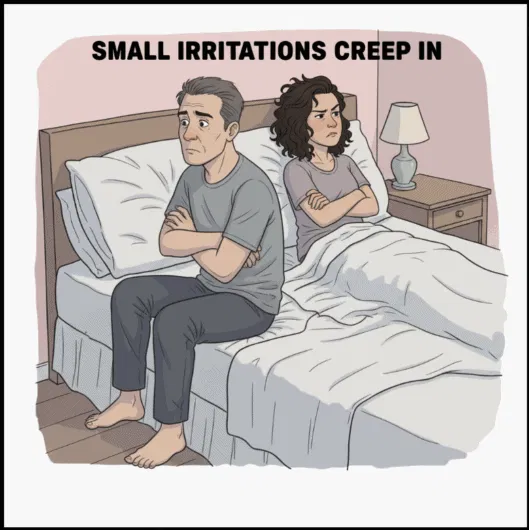
When closeness has no space around it, even small things can start to feel overwhelming. Little habits that once seemed cute may suddenly feel irritating. Minor disagreements can escalate faster than before.
This happens because personal space is essential for emotional balance. Without it, tension builds quietly. The same closeness that once felt comforting may start to feel suffocating.
Too much intimacy can remove the breathing room that allows patience and understanding to grow. When that space disappears, frustration finds its way in.
5. Your sleep and rest are affected
Intimacy should help you relax, but when it becomes too frequent, rest can suffer. You may notice that your sleep feels lighter or less restorative. Mornings may start with grogginess instead of clarity.
Over time, poor rest affects more than just energy levels. It influences mood, focus, and emotional stability. Even if you are spending more time together, you may feel less present and more irritable during the day.
Balance allows intimacy to be both fulfilling and restorative. Without that balance, the body struggles to fully recharge.
6. Your focus during the day declines
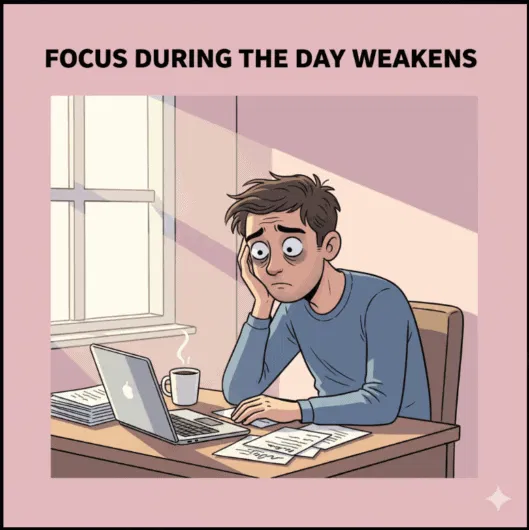
Too much intimacy often impacts daily life in quiet ways. You may find it harder to concentrate at work or school. Simple tasks can feel more demanding than usual. Motivation may dip without a clear explanation.
This happens because physical and emotional energy are closely connected. When too much energy is spent without recovery, the rest of life begins to feel heavier.
Intimacy should enhance your life, not make daily responsibilities feel overwhelming. When focus and clarity start to fade, it is worth paying attention to what might be causing it.
7. The sense of mystery disappears
Mystery plays a powerful role in attraction. The unknown, the waiting, and the space between moments create excitement and curiosity. When intimacy happens constantly, that mystery slowly fades away.
Without pauses, there is little room for imagination or longing. The connection may start to feel flat, even if love is still present. What once felt special can begin to feel ordinary.
Too much intimacy removes the natural rhythm that keeps desire alive. Space is not distance. It is an essential part of emotional and physical connection.
8. Other areas of the relationship are neglected
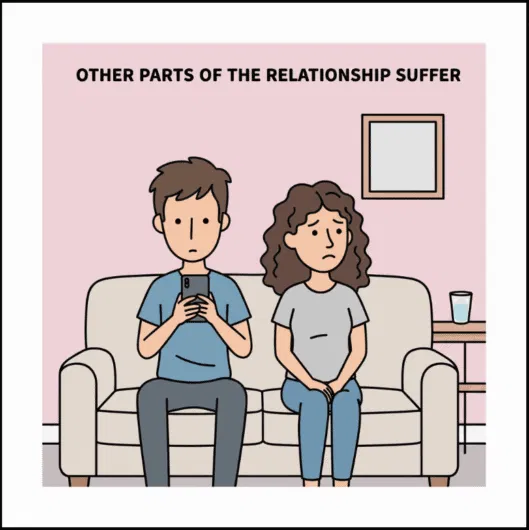
A strong relationship is built on many forms of connection, not just physical closeness. Conversations, shared experiences, laughter, and emotional support all play an important role.
When intimacy becomes the main focus, these other elements may receive less attention. Time that could be spent talking, bonding, or building shared memories is replaced by routine closeness.
Over time, this imbalance can create emotional gaps. Love grows through shared life experiences, not only through physical connection. Too much intimacy can unintentionally limit that growth.
9. Your body sends clear signals for balance
The body has a way of communicating when something is off. Loss of interest, persistent tiredness, or physical discomfort are not signs of failure or lack of attraction; They are signs that balance is missing.
Ignoring these signals can lead to deeper disconnection over time. Listening to them allows space for recovery and renewal. When balance returns, intimacy often becomes more exciting and meaningful again.
Too much intimacy is not about doing something wrong. It is about losing rhythm. Restoring that rhythm brings back the natural desire and joy that closeness is meant to create.
Intimacy is one of the most meaningful ways to connect with another person. It builds trust, deepens emotional bonds, and creates shared experiences that strengthen relationships. However, too much intimacy can quietly take away the very qualities that make it special.
A healthy relationship is not measured by frequency. It is measured by presence, desire, and emotional balance. When closeness is supported by space, rest, and mutual understanding, it becomes something you look forward to instead of something that feels overwhelming.
Finding that balance allows intimacy to remain exciting, nourishing, and deeply fulfilling over time.


