
10 Signs Showing Something Is Wrong in Your Body


Specialists say there are many signs that your body is showing you to tell something is wrong. Our bodies are surprisingly communicative, but they rarely speak in a loud voice.
More often, they “whisper” through small, nagging changes that we easily dismiss as just getting older or having a stressful week.
However, paying attention to these subtle signals can be the difference between catching a minor imbalance or facing a long-term health struggle.
Viral Strange has made a list of these signs to help you prevent any health issues you may encounter on your way.
1. A crawling feeling in your legs
The symptom of restless leg syndrome is a disorder. It gives you the feeling that something is crawling on your legs.
While it feels like a skin or muscle issue, it is actually a neurological disorder. It often points to a dopamine imbalance or an iron deficiency in the brain.
Your body uses this crawling sensation to force you to move, which provides temporary relief by stimulating blood flow and neural pathways.
2. Skin thickening
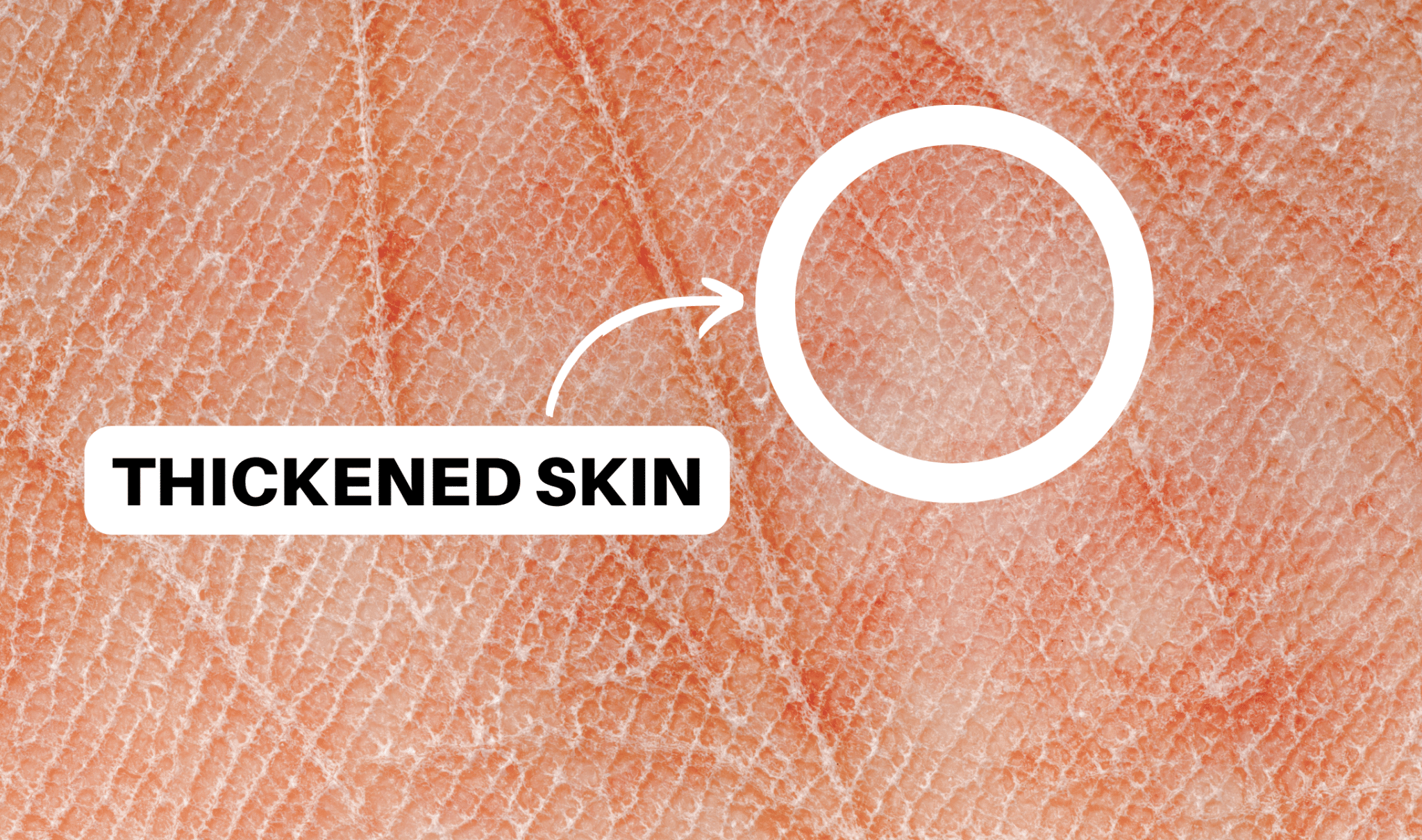
Skin thickening can happen from a hormonal disorder, eczema, or allergies. Always talk to a doctor to understand the condition.
This can be a physical manifestation of eczema or allergies, where the skin thickens due to chronic irritation. However, it can also signal hormonal disorders or even metabolic issues.
Your skin acts as a protective barrier. When it thickens unexpectedly, it is often trying to shield itself from an internal storm it cannot quite identify.
3. A change in handwriting and loss of smell

The slowness of movement, speech, and writing changes can be signs of Parkinson’s disease.
Unusually small or cramped handwriting and a diminished sense of smell are often some of the earliest signs of Parkinson’s Disease.
These changes happen long before the more well-known tremors begin, reflecting a slow-down in the brain’s motor and sensory processing centers.
4. Aggressive behavior

Aggressive behavior can be a sign of depression. Researchers say that depression does not always appear with sadness.
For many, clinical depression manifests as irritability, hostility, or sudden snapping at loved ones.
This agitated depression is a sign that your brain is in a constant state of fight-or-flight because it no longer has the chemical resources to regulate emotional stress effectively.
5. Sleeping too much

Hypersomnia is a disorder, i.e., sleeping too much. Doctors say that some autoimmune diseases may cause the intense feeling of wanting to sleep anytime and anyplace.
If you find yourself wanting to sleep anytime and anyplace, your immune system might be in overdrive.
This is frequently seen in autoimmune diseases, where the body is so exhausted from attacking its own tissues that it enters a state of forced hibernation to try and recover.
6. Changes in eye color
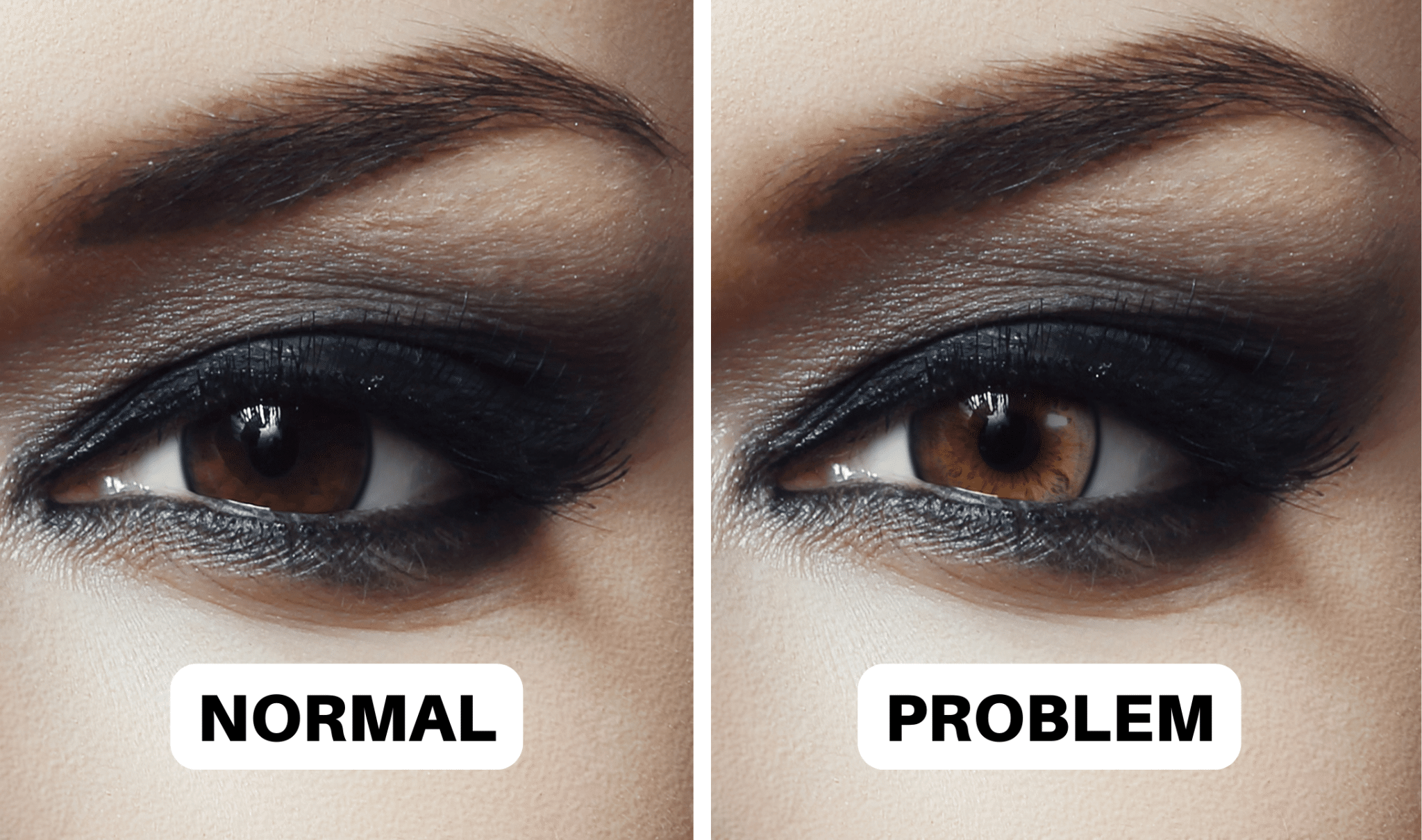
If you are under 45 years old, a white or grey ring around the cornea of the eyes means you may have high cholesterol.
This ring is actually a deposit of lipids or fats. In younger people, this is a strong indicator of high cholesterol or triglycerides.
It is a visual warning that your body is struggling to process fats, which could eventually impact your cardiovascular health.
7. Craving only salty food

According to medical researchers, if you are only craving salty food all the time, it can be a sign of an iron deficiency, anemia, dehydration, or premenstrual syndrome.
Interestingly, it can also point to adrenal fatigue or Addison’s Disease, where the adrenal glands are not producing enough hormones to help your body retain the salt it needs to function.
8. Fatigue and a low libido

If you experience fatigue and have a low libido most of the time, it can be a sign of a thyroid hormone issue.
This combination is a classic red flag for thyroid hormone issues. The thyroid is the master controller of your metabolism and energy.
When it underperforms, it effectively turns down the volume on your body’s most vital functions, leading to a pervasive sense of exhaustion.
9. Feeling thirsty all the time

Feeling thirsty all the time can be connected to your salty food choices, but it can also be a sign of diabetes or pregnancy.
While it can follow a salty meal, persistent thirst is a primary symptom of diabetes. When blood sugar is too high, your kidneys work overtime to filter and absorb the excess glucose.
If they cannot keep up, the glucose is excreted into your urine, taking fluids from your tissues along with it and leaving you perpetually dehydrated.
10. The need to chew ice

The need and want to chew ice can signify an iron deficiency or anemia. Take some blood tests to be sure!
Researchers believe the act of chewing ice might increase blood flow to the brain, providing a temporary boost in mental alertness for those whose blood is not carrying enough oxygen.
Do you know any other symptoms that can tell a lot about your body? Tell us in the comments!