
Ginger Isn’t for Everyone—Here Are 5 Types of People Who Should Avoid It

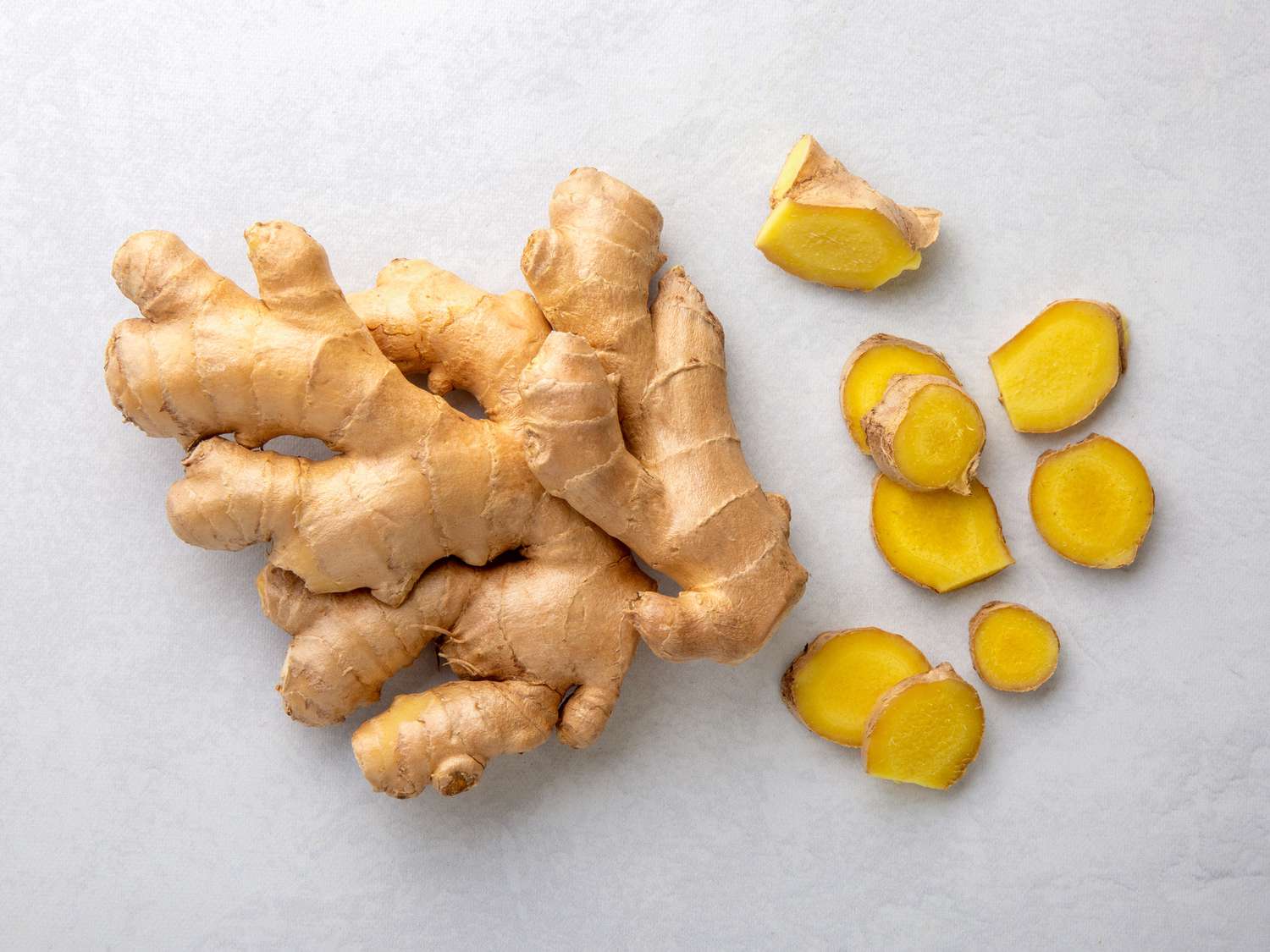
Ginger has earned its reputation as a powerful natural remedy. For generations, it’s been used to ease nausea, calm digestive issues, and reduce inflammation. Today, it’s just as popular—whether added to meals, brewed into tea, or taken in supplement form. But while it offers plenty of benefits, it’s not a one-size-fits-all solution. In certain cases, especially when taken in high doses or as concentrated supplements, ginger can do more harm than good.
Here’s a closer look at the groups who should think twice before using it.
Not Always Safe for Heart Patients

Ginger is known to support circulation and can even help lower blood pressure. That might sound like a win—but for people dealing with heart conditions, it can complicate things. It may interfere with medications like blood thinners, increasing the risk of bleeding. In some cases, it can also trigger irregular heart rhythms, which can be dangerous if you already have cardiovascular issues.
A Problem for Those with Gallstones
Because ginger stimulates bile production, it can help digestion run more smoothly. But if you have gallstones, that same effect can backfire. The extra bile can aggravate the gallbladder, potentially leading to increased pain or discomfort, especially if the condition is already inflamed.
Diabetes and Blood Sugar Drops
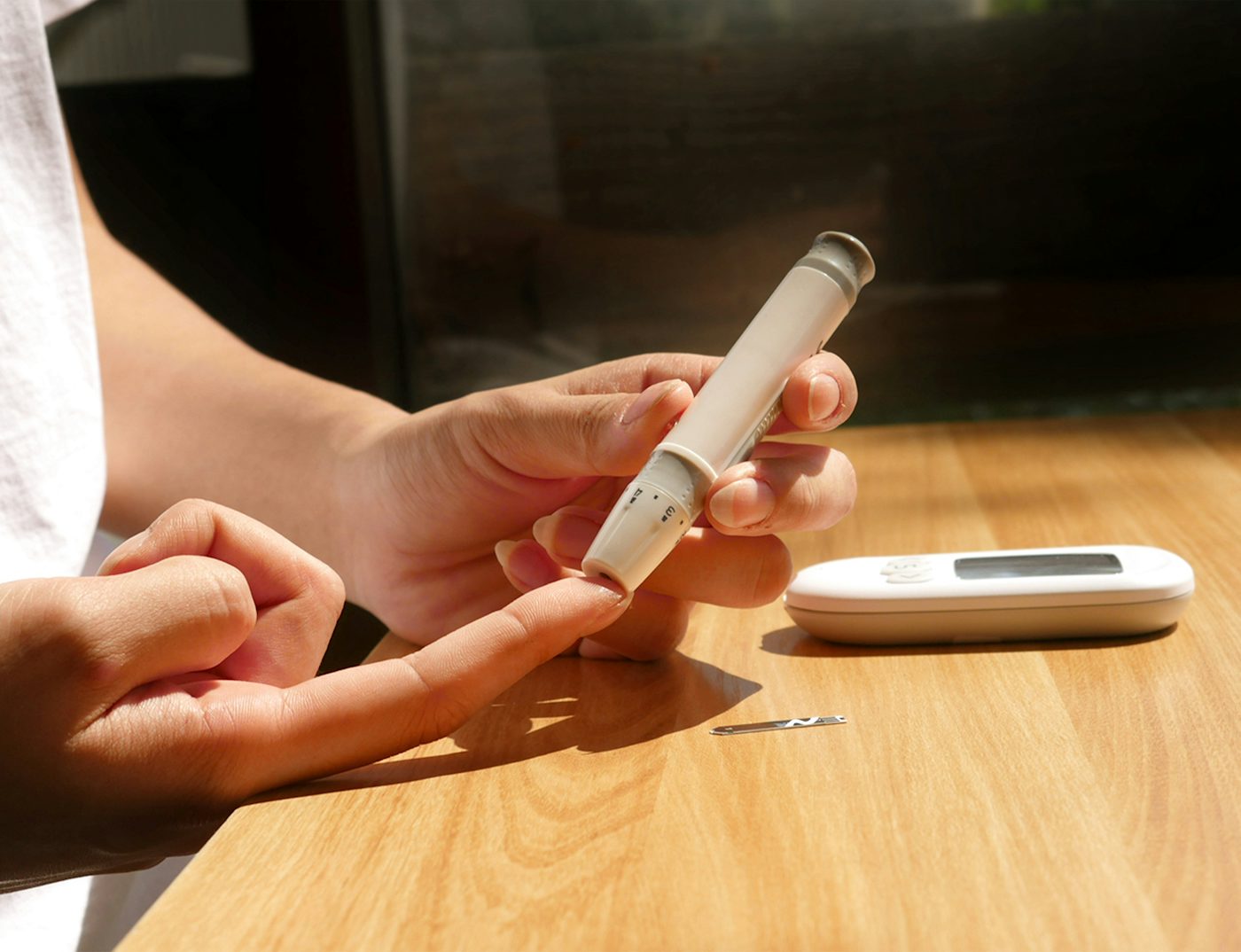
Ginger has been linked to improved blood sugar control, which can be helpful in general. The issue arises when it’s combined with diabetes medications. Together, they may lower blood sugar too much, increasing the risk of hypoglycemia.
As nutrition expert Rahaf Al Bochi explains:
“We know that ginger can affect your insulin levels … so it can interact with certain diabetes medications people are on; if you’re taking ginger supplementation and you are on diabetes medication, that can cause low blood sugar, or hypoglycemia.”
When Your Body Reacts Badly
For most people, ginger is well tolerated—but not always. Some individuals may experience strong reactions, including allergic responses like hives or breathing difficulties. Others might deal with digestive upset such as nausea, vomiting, or diarrhea. If any of these symptoms appear, it’s a clear signal to stop using it and seek medical advice.
Pregnancy: Proceed with Caution

The guidance around ginger during pregnancy isn’t entirely straightforward. While it’s often used to ease morning sickness, especially in mild forms like tea, higher doses—particularly supplements—raise concerns. Some studies suggest it could increase the risk of bleeding, especially close to labor.
Women with a history of miscarriage, clotting issues, or unexplained bleeding are usually advised to avoid ginger supplements altogether. In general, small amounts in food or tea are considered safer, but it’s always best to check with a healthcare provider first.
The Bottom Line
Ginger remains a valuable natural remedy, but it’s not suitable for everyone—especially in concentrated forms. People with heart conditions, gallstones, diabetes, or those experiencing adverse reactions should avoid it or use it with caution. Pregnant women should also be mindful, particularly when it comes to supplements.
As with any health product, the key is moderation and awareness. If you’re unsure, a quick conversation with a medical professional can help you decide whether ginger is a good fit for you—or something to skip.