Positive Breakthrough: Axolotl May Regrow Human Limbs

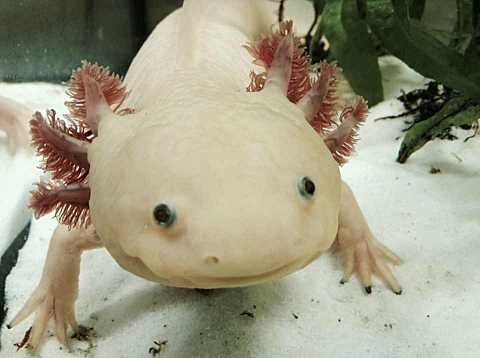
Axolotl research is giving scientists fresh hope that human limb regeneration may one day become possible.
What once sounded like pure science fiction is now being studied in real laboratories, where researchers are examining how certain animals naturally rebuild lost body parts.
Among those animals, the axolotl has become one of the most important.
Native to Mexico, the axolotl is a small amphibian with an unusual ability to stay in a youthful state throughout its life.
That strange trait alone has fascinated scientists for decades, but its real importance comes from something far more remarkable.
The axolotl can regrow entire limbs, along with parts of major organs, after injury or damage.
Researchers believe that understanding how this process works could eventually help improve treatments for people who lose limbs.
Scientists recently compared the axolotl with zebrafish and mice as part of a larger regeneration study. Each species was selected because it has a different level of healing ability.
By studying them together, researchers hoped to discover whether completely different animals might still rely on some of the same biological instructions when repairing tissue.
The findings, published in the journal Proceedings of the National Academy of Sciences, revealed that several shared genetic programs appear to guide regeneration across species.
While scientists are careful not to promise that humans will regrow arms or legs anytime soon, the study gives researchers valuable insight into how nature rebuilds damaged body parts.
The axolotl continues to stand out because its regenerative abilities are far beyond what humans can naturally do. When injured, it can replace complex structures such as bones, muscles, nerves, and skin with extraordinary precision.
Unlike scar-based healing seen in humans, the axolotl rebuilds tissue in a way that closely restores the original body part.
Researchers believe this difference could hold the key to future medical breakthroughs. Instead of simply repairing damage, the axolotl creates entirely new tissue that functions almost exactly like the original. That process has become one of the most important areas of study in regenerative biology.
One reason the axolotl attracts so much scientific attention is because its healing process is surprisingly organized. After losing a limb, cells near the wound begin transforming into a special collection of regenerative cells.
These cells then rebuild the missing structures in a highly controlled sequence. Scientists want to understand how those instructions are activated and why humans appear to lack the same response.
The comparison with zebrafish and mice helped researchers identify which parts of regeneration are shared across species and which are unique. Zebrafish are known for their ability to regrow tail fins repeatedly, along with certain internal tissues.
Mice have a much more limited healing response, though they can regenerate the tips of their digits under specific conditions.
Humans also have a small amount of regenerative ability. In some cases, fingertips can partly regrow if the nail bed remains intact.
However, that healing is extremely limited compared with what the axolotl can achieve. Scientists believe studying these similarities and differences may help reveal why regenerative powers became restricted during evolution.
According to researchers involved in the project, comparing several animals instead of focusing on only one species made the study much stronger. Looking across different organisms allowed scientists to separate universal regeneration signals from species-specific traits.
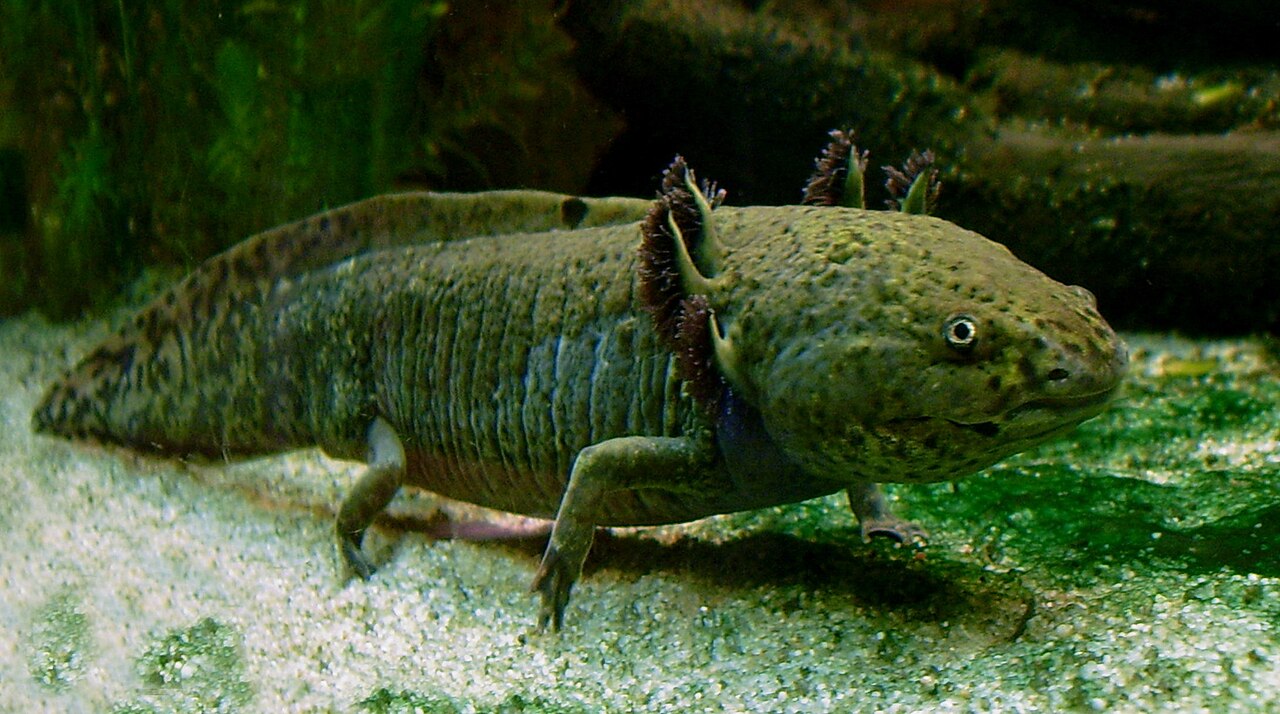
Josh Currie, assistant professor of biology at Wake Forest University, explained the importance of the collaborative approach. He said the research brought together multiple labs working with several organisms to better understand regeneration.
According to Currie, the study showed that salamanders, zebrafish, and mice all appear to use related genetic programs when rebuilding damaged tissue.
That discovery matters because these animals are biologically very different from one another. Even so, they still rely on some of the same molecular instructions during regeneration. Researchers believe this may point toward ancient biological pathways that exist across many species, including humans.
The axolotl became especially important during the study because of how consistently it regenerates limbs after injury.
Whether damage comes from accidents, predators, or other causes, the animal repeatedly rebuilds complex structures with impressive accuracy. Scientists believe this reliability makes the axolotl one of the best models for understanding regenerative medicine.
More than one million people worldwide undergo limb amputations every year. Many amputations happen because of conditions such as diabetes, severe injuries, cancer, or infections. For many patients, amputation becomes necessary only after doctors determine there are no other safe medical options available.
Although amputations can save lives, they also permanently change daily living. Losing a hand, arm, foot, or leg affects mobility, independence, and emotional well-being. Even with modern prosthetic technology improving rapidly, artificial limbs still cannot fully recreate natural movement, sensation, or control.
This is one reason why axolotl research has become so important. Scientists are searching for ways to encourage the human body to repair itself more effectively. While complete limb regeneration remains far away, researchers believe every new discovery brings them closer to understanding the biological instructions involved.
One of the biggest breakthroughs in the study involved what scientists call SP genes. Researchers discovered that these genes played a major role in regeneration across all three species involved in the project. That consistency immediately caught the attention of the research team.
When tissue started regrowing in the axolotl, zebrafish, and mice, two genes called SP6 and SP8 became highly active. Scientists then focused on understanding exactly how these genes contributed to the rebuilding process.
To test their theory, researchers used gene-editing technology to remove the SP8 gene from axolotls. The results were dramatic. Without the gene, the axolotl could no longer regenerate limb bones normally. Similar problems also appeared in mice missing SP6 and SP8.
These findings strongly suggested that the genes are directly connected to regeneration. By identifying genetic programs shared across species, scientists now have clearer targets for future research into tissue repair.
The team then moved one step further by developing an experimental gene therapy. Using a regeneration enhancer identified in zebrafish, researchers tested whether they could partly restore healing signals in mice that lacked the important genes.
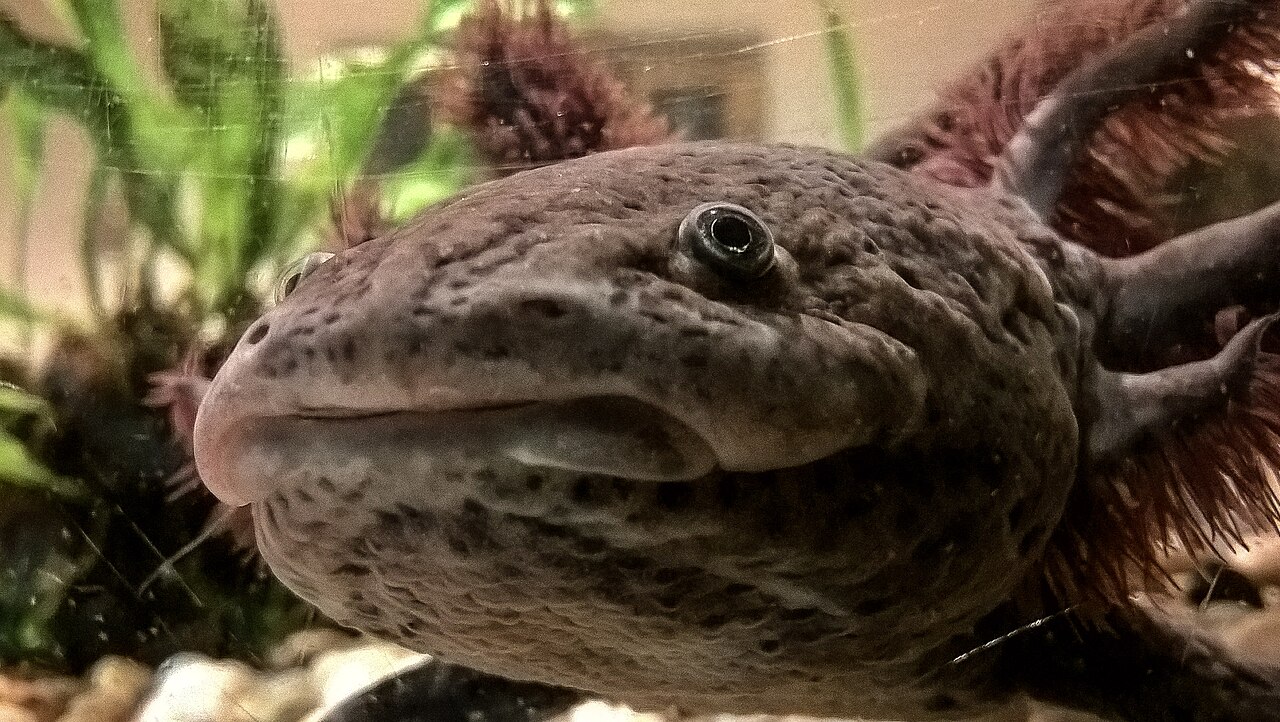
The therapy used a molecule called FGF8, which helped stimulate bone regrowth in mice. Although it did not completely solve the regeneration problem, the treatment partly compensated for the missing genetic activity. Researchers described the result as another promising lead rather than a complete solution.
For scientists studying regenerative medicine, this type of progress is significant. The goal is not simply to copy the axolotl directly, but to understand which biological mechanisms might someday be adapted for human treatment.
The axolotl remains especially valuable because its regenerative abilities involve many different tissue types working together at once. Bones, muscles, blood vessels, nerves, and skin all regenerate in coordination. Reproducing even part of that process in humans would represent a major medical breakthrough.
Researchers believe future therapies may combine multiple scientific approaches rather than relying on one single solution. Gene therapy, stem cells, tissue engineering, and bioengineered scaffolds may eventually work together to improve healing outcomes for patients.
Professor Currie explained that the gene therapy tested in the study represents only one possible path forward. He noted that scientists are already exploring several different technologies for replacing or repairing limbs, including stem cell therapies and engineered biological structures.
According to Currie, the regeneration strategy explored in the study could potentially complement those other approaches in the future. Instead of competing methods, researchers may eventually combine several techniques to encourage more advanced healing in humans.
Another important aspect of the project was the collaboration between scientists working on completely different organisms. Currie said many researchers traditionally focus only on one species, whether that involves mice, fish, or salamanders. This project took a broader approach by comparing regeneration across multiple animals at the same time.
That comparison revealed patterns that might have remained hidden if researchers had worked separately. Scientists believe this cross-species strategy could become more common in future regeneration studies because it helps identify universal biological signals.
The axolotl continues to offer one of the clearest examples of natural regeneration found anywhere in the animal kingdom. Its ability to repeatedly rebuild complex body structures makes it a powerful model for understanding healing and tissue repair.
Despite the excitement surrounding the findings, scientists remain cautious about what the research currently means for humans. Nobody involved in the study claims that human limb regeneration is close to becoming reality. The process remains extremely complex, and many unanswered questions still exist.
Human bodies heal differently from animals like the axolotl. Instead of rebuilding missing structures, human tissue often forms scar tissue after major injury. Scientists still do not fully understand why regenerative abilities are so limited in people compared with certain amphibians and fish.
Even so, researchers believe the discovery of shared genetic pathways represents meaningful progress. Finding the same regenerative signals in species as different as salamanders, fish, and mice suggests these biological systems may be more universal than previously thought.
That possibility gives scientists hope that at least some regenerative abilities could eventually be strengthened or reactivated in humans. While the idea remains experimental, the growing understanding of genes like SP6 and SP8 gives researchers more specific directions for future studies.
The axolotl has already changed how many scientists think about healing and tissue regeneration. What once seemed biologically impossible now appears more scientifically approachable, even if the final goal remains distant.
Researchers also believe this work may improve medical treatments long before full limb regeneration becomes possible. Understanding regeneration could help develop better therapies for wound healing, bone repair, nerve damage, and tissue recovery after surgery.
That means the benefits of axolotl research may extend far beyond amputations alone. Insights from regenerative biology could eventually influence many areas of medicine where damaged tissue currently heals poorly.
For now, scientists continue studying how the axolotl rebuilds itself so effectively. Every experiment adds another piece to a much larger puzzle involving genetics, cellular communication, and tissue formation.
The research team hopes future studies will continue exploring how regenerative signals behave across different species. By comparing animals with varying healing abilities, scientists may gradually uncover the biological instructions needed to repair complex body structures more effectively.
Although human limb regrowth is still far from reality, the axolotl has already brought researchers closer to understanding how regeneration works. That alone represents a major scientific step forward.
For millions of people affected by limb loss and severe injuries, even small advances in regenerative medicine could someday improve quality of life in meaningful ways. Scientists believe the answers may not come from a single breakthrough, but from years of careful research building piece by piece.
The axolotl, once known mainly for its unusual appearance and youthful features, has now become one of the most important animals in modern regeneration science. Its remarkable abilities continue to inspire researchers searching for ways to unlock healing processes that humans have long considered impossible.