Bizarre Fake McDonald’s in Cali Stayed Open 50 Years Without Customers

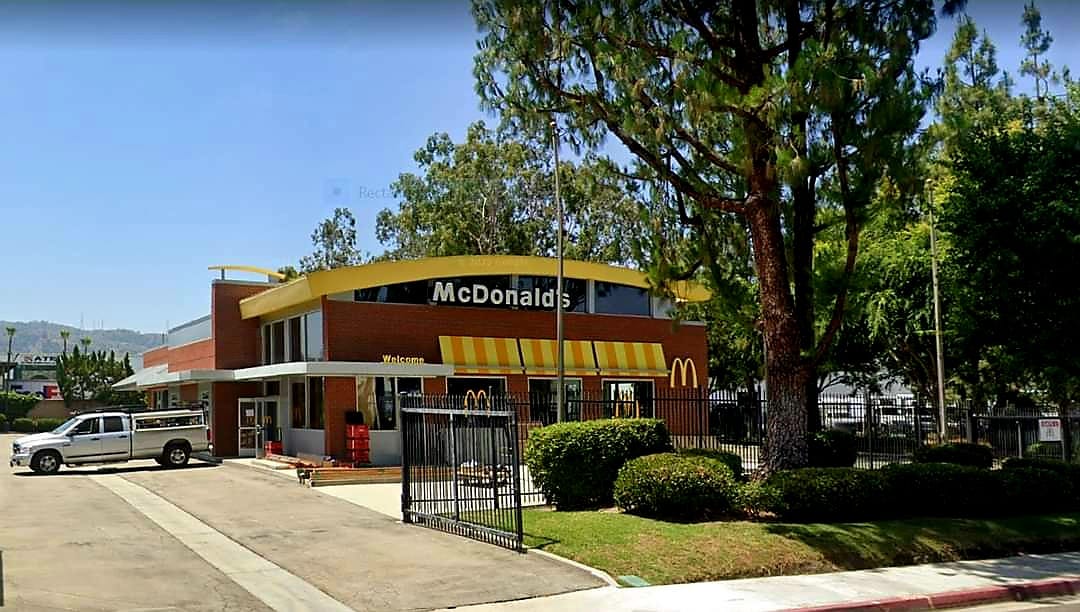
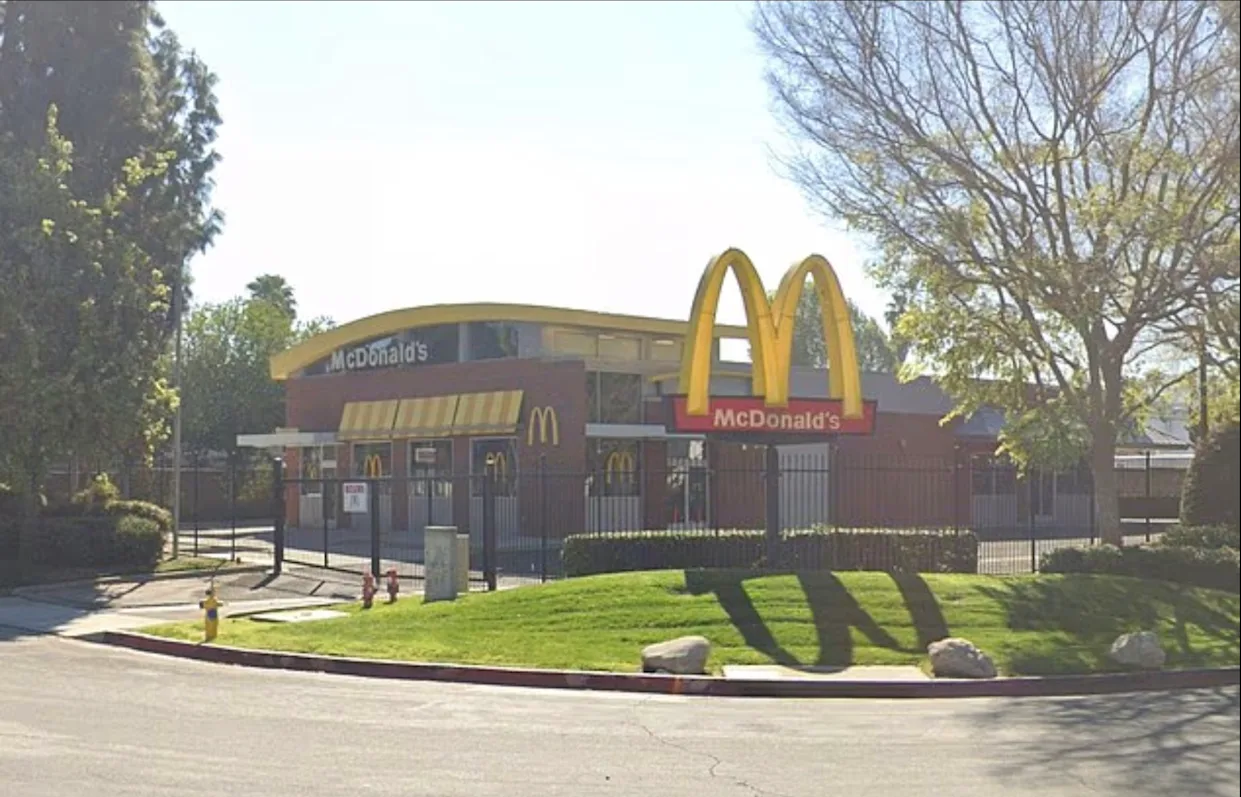
Inside a quiet part of California sits one of the strangest fake McDonald’s locations ever built. From the outside, it looks almost exactly like every other restaurant owned by the famous fast food chain.
The golden arches are there. The drive through is there. Even the menu boards are in place. But there is one major difference: nobody has ever ordered a meal there.
The fake McDonald’s has technically been open for more than 50 years, yet not a single paying customer has ever walked away with fries or a burger.
That sounds impossible for a company as massive as McDonald’s, especially when the brand earns tens of millions of dollars every single day across thousands of locations worldwide.
Today, McDonald’s operates more than 40,000 restaurants in over 100 countries. On average, the company brings in somewhere between $72 million and $75 million in daily revenue.
Most locations are constantly busy, packed with customers grabbing breakfast, lunch, or a late night snack.
But one California location was never meant to serve everyday people.
Hidden in the City of Industry in Southern California’s San Gabriel Valley, this fake McDonald’s has existed since the late 1970s. Even though it looks fully operational, the restaurant was not built to sell food to the public. Instead, it was created for something completely different.
Over the years, confused drivers have pulled into the parking lot expecting a normal meal stop. Some made it all the way to the drive through before realizing something was wrong. There were no workers waiting to take orders. No busy kitchen sounds. No customers inside.
That is because the restaurant is actually a private filming studio owned by McDonald’s itself.
The company built the fake restaurant in 1978 with a reported budget of around $1 million. Rather than shutting down real locations whenever commercials needed to be filmed, McDonald’s decided it would be easier to build its own permanent production set.
At first glance, the building is incredibly convincing. It was intentionally designed to copy the look of a real franchise. The dining areas, counters, kitchen setup, and exterior all resemble a regular McDonald’s location.
Still, there are subtle differences once you look closer.
According to reports from the Los Angeles Times, the ceilings inside the building are slightly higher than normal. That extra height was added so camera crews could fit large lighting rigs and filming equipment without running into problems during production.
The lower level of the building also contains spaces you would never expect to find inside a regular fast food restaurant. There are dressing rooms for actors, preparation areas for production teams, and equipment storage spaces built specifically for commercial shoots.
Even the landscaping outside was designed with filming in mind. Some of the trees around the restaurant can actually be moved around whenever production crews want to change the look of a scene. That flexibility made the location much more practical for television advertising.
Another unusual detail appears above the registers.
If you walked inside, you would notice that the menu boards do not display any actual prices. That was done on purpose. Commercials filmed years apart would quickly look outdated if old menu prices remained visible in the background. By leaving prices off completely, McDonald’s avoided having to constantly redesign the set.
Before this filming location existed, the company had to shoot commercials inside real franchise restaurants. That caused major disruptions for business owners.
Whenever filming took place, restaurants often had to temporarily close or limit service. According to reports, McDonald’s sometimes paid franchise owners around $5,000 per day to cover lost business during commercial shoots.
Eventually, the company realized building a dedicated production restaurant would save time, money, and logistical headaches.
Even though the location mainly exists for filming, it is not just a hollow movie set. The fake McDonald’s can actually function like a real McDonald’s when needed.
Inside the building are two fully working kitchens. One contains the standard McDonald’s cooking equipment used for preparing actual menu items. The other kitchen is designed more for food styling and commercial production.
That second area contains tools and supplies used to make food look perfect on camera. Food stylists working on commercials use things like sesame seeds, special preparation equipment, and even dry ice to create the polished appearance viewers see in advertisements.
In an interview with the Los Angeles Times back in 1988, advertising production manager Linda Magruder-Briggs explained just how complete the setup really was. She famously said, “We could be open for business tomorrow if we wanted.”
That statement surprised many people because it showed the restaurant was never simply a fake shell. It was built to closely imitate a functioning McDonald’s in almost every way possible.
The location itself was also carefully chosen.
Southern California made perfect sense because of its close connection to the entertainment industry. Being near Hollywood meant actors, directors, production crews, and advertising teams could easily travel to the set without needing to fly across the country.
That convenience helped turn the fake McDonald’s into one of company’s most valuable advertising tools.
By 1988 alone, around 1,000 commercials had reportedly already been filmed there. Considering how recognizable McDonald’s advertising has become over the decades, there is a good chance millions of people around the world have unknowingly seen this location on television countless times.
What makes the story fascinating is how normal the building still appears from the outside. Someone driving by would probably never guess that the restaurant has never actually operated like a traditional McDonald’s.
It almost feels like a strange piece of alternate reality. A restaurant built to look busy and welcoming, yet completely disconnected from normal customers.
In many ways, the location reflects how important advertising became to major fast food companies during the late twentieth century. McDonald’s was not just selling burgers anymore. It was selling an image, a feeling, and a recognizable brand identity.
Having a dedicated filming location gave the company total control over how that image appeared on screen.
Lighting could be adjusted perfectly. Every surface could stay spotless. Camera angles could be customized without worrying about interrupting paying customers. It allowed McDonald’s commercials to maintain a polished and consistent appearance year after year.
The fake McDonald’s also became a practical long term investment. While the initial $1 million price tag sounded expensive in the 1970s, the company likely saved far more money over the decades by avoiding repeated filming shutdowns at real franchises.
For employees working in advertising and production, the location probably felt more like a movie studio than a fast food restaurant. Instead of customers ordering meals, the building was filled with actors, directors, stylists, and camera operators.
Yet despite its unusual purpose, the fake McDonald’s still carries a strange sense of realism.
The kitchens work. The counters exist. The drive through lanes are real. Technically, the location could begin serving customers almost immediately if the company ever decided to change its purpose.
That possibility is part of what makes the story so interesting.
Most movie sets are obviously staged once cameras stop rolling. This fake McDonald’s sits somewhere in between. It is real enough to function, but artificial enough to exist almost entirely for appearances.
Over the years, stories about the restaurant have continued spreading online as more people discover it exists. Many are shocked to learn that one of the world’s biggest fast food companies maintained a restaurant for decades without ever using it to directly make money from customers.
Still, in another sense, the building has probably generated enormous value for McDonald’s.
Commercials filmed there helped market the brand to millions of people around the globe. The restaurant may never have sold fries across the counter, but it helped sell the image of McDonald’s itself for generations.
And honestly, that might have been far more valuable than any burger order could ever be.