AI Calls Brazilian Fitness Model Karol Rosalin a ‘Perfect 10,’ But Not Everyone Is Convinced

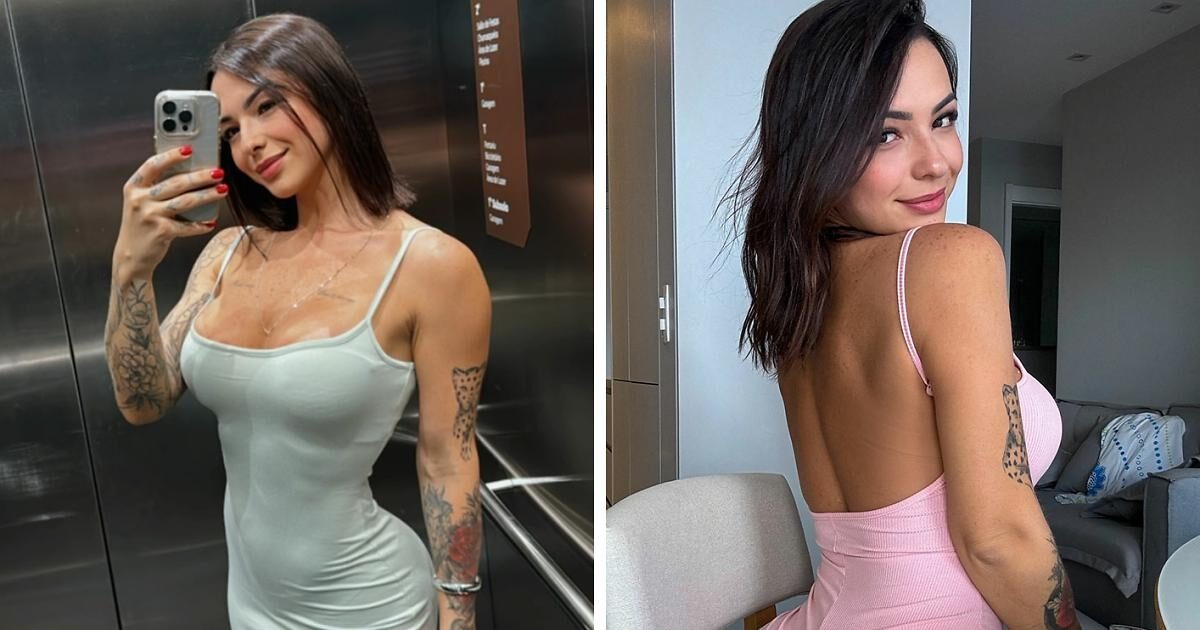
Imagine Karol Rosalin spending years in the gym, sticking to a strict nutrition plan, and building a successful fitness career online, only to have a computer suddenly declare you physically “perfect.”
That’s exactly what happened to Brazilian fitness model, who recently found herself at the center of a heated debate after artificial intelligence reportedly ranked her body as the ideal example of female fitness.
The 25-year-old model from São Paulo received widespread attention after Playboy Australia highlighted the AI-generated assessment, describing her physique as the “ideal” body type in today’s fitness world.
While some people viewed the recognition as a compliment to her hard work and discipline, others were more interested in a different question: should artificial intelligence be deciding what a perfect body looks like in the first place?
According to reports, the AI evaluation wasn’t based purely on appearance. The system allegedly considered several factors, including physical health, muscle definition, symmetry, body proportions, strength, and what it described as overall aesthetic harmony.
That combination ultimately led the technology to rank Karol Rosalin as an example of physical perfection.
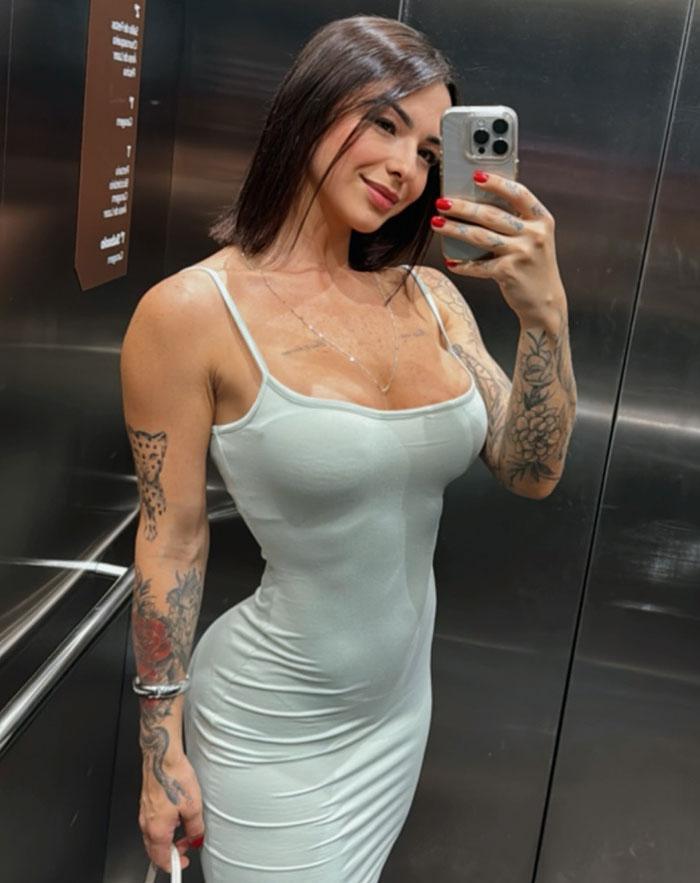
The announcement quickly gained traction online, with many social media users praising her dedication and commitment to fitness. Others, however, questioned the concept itself, arguing that beauty and attractiveness are too subjective to be measured by an algorithm.
Karol Rosalin already had a substantial online following before the story went viral. The Brazilian influencer has built her brand around fitness, modeling, and adult content creation, attracting hundreds of thousands of followers across social media platforms.
Despite the attention surrounding the AI title, Rosalin has repeatedly emphasized that her focus has always been on personal progress rather than public labels.
Speaking about the recognition, she explained that seeing the results of her hard work in the mirror is often more rewarding than any outside validation.
“Seeing the results in the mirror is already a victory,” she said.
For Rosalin, the journey to her current physique wasn’t a straight line.
Like many people who become deeply involved in fitness, she spent years learning what worked best for her body. She admits there were periods when she felt too thin and other times when she carried more muscle than she wanted.
It wasn’t until later that she found a routine that felt balanced and sustainable.
“In the beginning, I didn’t know how to train properly. I went through periods when I was thinner or more muscular,” she explained.
Eventually, Karol Rosalin developed a training style that helped her achieve the look and performance level she was aiming for.
“But today I found the balance for my body.”
That balance requires consistency.
Karol Rosalin currently follows a demanding fitness schedule that includes five days of weight training every week, along with daily cardio sessions. While that level of commitment may sound intense to some people, she presents it as part of a long-term lifestyle rather than a temporary challenge.
Her diet follows a similar philosophy.

Instead of relying on extreme diets or trendy shortcuts, Karol Rosalin focuses on simple, nutritious foods. Her meals often include chicken, vegetables, fruit, oats, and other ingredients commonly associated with healthy eating.
She says the goal isn’t to deprive herself but to support her health and fitness objectives.
“I don’t do anything crazy. Everything I eat is part of a plan to keep my health up to date.”
Her breakfast typically includes scrambled eggs, cassava, papaya, pineapple, oats with cinnamon, and coffee. She also enjoys preparing healthier alternatives to traditional snacks, such as baked sweet potato chips and vegetable-based dishes.
The routine may not sound glamorous, but it reflects a pattern that fitness experts have repeated for years: sustainable habits often produce better long-term results than extreme measures.
Still, the story surrounding Rosalin quickly became about more than workouts and meal plans.
The AI ranking reignited a larger conversation about beauty standards and the growing influence of artificial intelligence on everyday life.
Playboy Australia suggested Rosalin’s body reflects a broader shift within fitness culture, where many people are moving away from heavily muscular physiques and toward more balanced, natural-looking builds.
The publication even referenced survey data claiming that many men preferred a fit but attainable appearance over highly muscular body types.
Whether that trend is accurate or not, it highlights how beauty standards continue to evolve.
What one generation views as attractive may be completely different from what another generation celebrates. Fashion changes. Fitness trends change. Even cultural ideals of beauty change over time.
That reality is one reason some experts are uncomfortable with AI assigning labels such as “perfect.”

Although artificial intelligence often appears objective, it can only learn from the information it receives. The images, videos, and data used to train these systems are largely collected from the internet, and the internet is hardly a neutral place.
Researchers have warned that AI models frequently absorb the same biases and unrealistic standards that already exist online.
A 2023 study examining how artificial intelligence perceives human beauty found evidence that many systems tend to favor exaggerated physical traits and stereotypical representations.
In some cases, AI-generated images of women displayed unrealistic proportions or heavily sexualized features. Critics argue that these outcomes reflect existing internet culture rather than genuine human diversity.
That concern becomes more significant as AI tools become increasingly integrated into social media, entertainment, advertising, and content creation.
If artificial intelligence repeatedly presents certain body types as ideal, those standards can gradually influence how people view themselves and others.
Experts worry that this creates a cycle where narrow beauty ideals become reinforced over time.
The issue isn’t necessarily that AI is creating unrealistic expectations from scratch. Rather, it may be amplifying expectations that already exist.
Medical professionals have also spoken about the importance of using AI responsibly, particularly when it comes to body image and self-esteem.
According to specialists studying the technology’s impact, artificial intelligence has the potential to shape public perceptions on a massive scale. That influence can be positive when used carefully, but it can also reinforce unhealthy comparisons if left unchecked.
The concern is especially relevant for younger audiences who spend large portions of their day consuming digital content.
When an algorithm labels one person as physically perfect, some viewers may begin comparing themselves against a standard that may not be realistic, achievable, or even healthy for their own body type.
Human bodies naturally vary because of genetics, age, lifestyle, health conditions, and personal goals.
What works for one person may not work for another.
That’s why many fitness professionals prefer focusing on strength, health, mobility, and personal progress rather than chasing a universal standard of perfection.
Interestingly, Rosalin’s own comments seem more aligned with that mindset than the headline that made her famous.
While media coverage focused heavily on the idea of perfection, she has consistently spoken about balance, discipline, and consistency.
Karol Rosalin doesn’t describe her routine as magical or revolutionary.
Instead, she talks about showing up regularly, making smart choices, and staying committed over time.
In many ways, that message is far more relatable than the idea of a perfect body.
Most people will never be ranked by artificial intelligence. Most people aren’t trying to become internet-famous fitness influencers. But many can understand the challenge of maintaining healthy habits and working toward personal goals.
That’s part of what makes Karol Rosalin’s story interesting.
On one level, it’s a viral headline about a model receiving an unusual compliment from a machine.
On another, it’s a reminder of how rapidly technology is becoming involved in areas that were once considered entirely human, including beauty, attraction, and self-image.
As artificial intelligence continues evolving, debates like this are likely to become more common.
Some people will welcome AI-driven evaluations as objective and data-based. Others will argue that concepts like beauty can never be reduced to numbers and algorithms.
The truth probably lies somewhere in between.
Technology can analyze patterns, measurements, and proportions, but it cannot fully capture confidence, personality, charisma, or individuality. Those qualities remain difficult to quantify, even for the most advanced systems.
For now, Karol Rosalin’s “perfect 10” title remains both a compliment and a conversation starter.
It celebrates the years of work she invested in her fitness journey, while also raising important questions about who gets to define beauty in an increasingly digital world.
Whether people agree with the AI assessment or not, one thing is certain: the debate it sparked isn’t going away anytime soon.