Emotional Withdrawal: Why Some People Go Silent When They’re Hurt

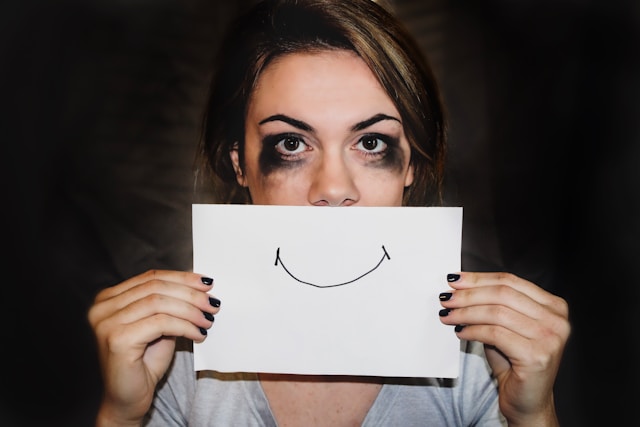
Most people assume silence means anger.
Someone suddenly stops replying, becomes distant, gives shorter answers, or disappears emotionally after an argument, and the immediate reaction is usually the same: They’re ignoring me on purpose.
Sometimes that’s true. Sometimes silence is manipulation. But not always.
A lot of emotional withdrawal has very little to do with punishment and far more to do with overwhelm. The difficult part is that from the outside, both situations can look almost identical.
You text someone you care about, and nothing comes back. Hours pass. Then days. Maybe they still view your stories.
Maybe they answer everyone else except you. Your mind starts filling in the blanks because humans hate uncertainty. And usually, the blanks get filled with rejection.
But psychology suggests silence is often less calculated than people think.
For some people, shutting down is not a strategy. It is a stress response.
That distinction matters more than most realize.
The phrase “silent treatment” gets thrown around constantly, but it groups together completely different behaviors.
There’s a huge difference between someone refusing to communicate to gain power and someone who genuinely cannot process their emotions well enough to speak.
One is control.
The other is emotional withdrawal.
The problem is that most of us were never taught to recognize the difference.
A lot of people grew up around silence that was punishment. A parent refusing to speak after conflict. A partner withdrawing affection to make a point. A friend suddenly acting cold without explanation.
Over time, experiences like that train the brain to associate silence with abandonment.
So later in life, when someone pulls away emotionally, the nervous system reacts almost immediately. Even if the situation is different, the body remembers older pain first.
That reaction shows up online too.
Ghosting, which is now common in modern relationships, triggers many of the same emotional responses as physical rejection. Psychologist Gili Freedman studied ghosting and found that people who disappear often do not do it because they are cruel or indifferent. Many reported feeling guilty while also believing avoidance would hurt the other person less than direct honesty.
Meanwhile, the person being ghosted usually experiences confusion, sadness, insecurity, and loss of control.
In other words, silence hurts regardless of intention.
One reason silence feels so intense is because the brain processes social rejection in a surprisingly physical way.
Back in 2003, neuroscientist Naomi Eisenberger conducted a study at UCLA where participants played a virtual ball tossing game while inside an fMRI scanner.
At some point during the game, the other players stopped passing the ball to the participant entirely.
It sounds simple, but the brain scans showed something important. The same brain regions activated during physical pain also lit up during social exclusion.
That means emotional rejection is not “just in your head” in the dismissive way people often say it.
The brain reacts to disconnection almost like an injury.
Once you understand that, emotional withdrawal starts making more sense.
When someone feels emotionally overwhelmed, their nervous system can become flooded very quickly. Relationship researcher John Gottman spent decades studying couples and found that during intense conflict, some people become physiologically overloaded.
Their heart rate spikes.
Stress hormones rise.
The brain shifts into defense mode.
At that point, communication starts breaking down because the body is focused on survival, not connection.
This is where many people shut down.
Not because they do not care, but because their system literally cannot handle more emotional input in that moment.
Neuroscientist Stephen Porges explains this through something called polyvagal theory.
According to his work, the nervous system constantly scans for safety.
When we feel calm and secure, social connection feels easy. We talk normally, express emotions, and stay emotionally present.
But when the brain senses danger, the body shifts.

Most people know about fight or flight, but there is another response that gets talked about less: freeze.
Freeze happens when the nervous system decides there is no safe way to escape stress.
So instead of fighting or running, the body shuts down.
People in this state often become emotionally numb, mentally distant, or unusually quiet. Their facial expressions flatten. Thoughts slow down. Even speaking can feel exhausting.
From the outside, it may look cold.
Internally, though, it often feels more like drowning.
This is especially common in people who grew up around chronic emotional stress.
If someone spent years learning that conflict led nowhere good, their nervous system may automatically associate emotional vulnerability with danger.
Eventually, silence becomes automatic.
Not chosen consciously.
Conditioned.
Psychologist Martin Seligman’s work on learned helplessness helps explain why.
His early experiments showed that when living beings repeatedly experience situations where they have no control, they eventually stop trying to change outcomes, even when escape later becomes possible.
Humans do something similar emotionally.
If someone grows up feeling ignored, dismissed, criticized, or emotionally unsafe whenever they express themselves, they slowly learn that speaking up changes nothing.
So they stop.
Not because they do not feel anything.
Because feeling things out loud stopped feeling useful.
This creates adults who appear detached during conflict even when they are deeply stressed internally.
A person may look emotionally flat while their nervous system is in complete chaos underneath.
That is one reason emotional withdrawal is so misunderstood.
People assume silence equals indifference.
A lot of the time, it actually signals emotional overload.
Attachment theory explains another layer of this.
People with avoidant attachment styles often develop what psychologists call “deactivating strategies.” Basically, ways of shutting down emotional needs before vulnerability can happen.
This usually starts in childhood.
A child expresses sadness, fear, or emotional need, and instead of receiving comfort, they get dismissed, criticized, or emotionally ignored.
Over time, the brain adapts.
The child learns self protection through emotional distance.
By adulthood, this reaction becomes deeply automatic.
An avoidant person is not usually sitting there planning to emotionally disappear.
The withdrawal often happens before they even fully understand what they are feeling.
Conflict starts rising.
Emotional closeness increases.
Their nervous system interprets it as danger.
Then comes the distance.
The silence.
The disappearing act.
And because this reaction operates so deeply, many people genuinely struggle to explain why they pull away.
They just know closeness suddenly feels unbearable.
Not everyone is taught emotional expression in the same way.
In many Western cultures, openness is treated as emotional health. People are encouraged to “talk it out” and communicate feelings directly.
But in other cultures, emotional restraint is viewed differently.
Research comparing Western and East Asian emotional regulation found that suppression is often more socially accepted in collectivist cultures where maintaining harmony matters more than individual expression.
That does not necessarily mean people feel less emotion.
Sometimes it means they are trained to contain it differently.
In certain environments, silence is not automatically considered unhealthy. It may even be interpreted as maturity, respect, or self control.
That is why emotional withdrawal cannot always be judged through one cultural lens.
Human behavior is shaped by environment as much as personality.
A lot of people describe emotional withdrawal as relief in the beginning.
The conflict disappears.
The pressure stops.
No more difficult conversations.
No more emotional exposure.
For a while, silence can feel safer than honesty.
But emotions do not disappear just because they are ignored.
The brain keeps processing unresolved feelings internally, replaying situations over and over without resolution.
Eventually, that emotional weight builds up.
Research on emotional suppression shows the body carries this stress physically. Increased heart rate, higher blood pressure, elevated stress responses. Even when someone appears calm on the outside, the nervous system may still be working overtime underneath.
Long term suppression has also been linked to serious health effects.
One study tracking participants over more than a decade found higher levels of emotional suppression were associated with increased mortality risk.
That does not mean silence itself is deadly.
But chronic emotional suppression clearly takes a toll.
The body keeps score, even when the mouth stays closed.
What many people do not realize is that withdrawal impacts everyone in the room.
In one study, participants discussed emotional topics while one person intentionally suppressed their reactions.
The result was fascinating.
The partner interacting with the emotionally withdrawn person experienced increased physiological stress too.
Humans unconsciously rely on emotional feedback during conversations. Tone, facial expressions, responsiveness, small reactions. When those signals disappear, the interaction starts feeling unsafe or confusing.
Even if nobody says it directly, the body notices.
That is why silence in relationships can feel so destabilizing.
The absence of communication still communicates something.
Usually uncertainty.
Therapist Sue Johnson describes a common dynamic in relationships called the pursue withdraw cycle.
One partner pulls away emotionally.
The other panics and pushes harder for reassurance.
That pressure overwhelms the withdrawing person further, so they retreat even more.
Then the pursuing partner escalates again.
Both people are trying to protect themselves.
One fears abandonment.
The other fears emotional overwhelm.
But instead of calming each other, they accidentally trigger each other’s deepest fears repeatedly.
Over time, this pattern becomes exhausting.
Not because either person is evil, but because neither nervous system feels safe.

At the same time, it is important not to romanticize every form of withdrawal.
Some silence is manipulative.
There are people who intentionally withhold communication to punish, control, or create anxiety in others.
That kind of silence usually comes with power games.
The person becomes responsive again only when they regain control of the situation or get the reaction they wanted.
Psychologists have linked repeated intentional emotional withdrawal to anxiety, depression, and emotional distress in partners on the receiving end.
So context matters.
Patterns matter.
And your instincts matter too.
Someone overwhelmed by emotions usually looks withdrawn across multiple areas of life.
Someone using silence as manipulation often directs it strategically.
Pushing harder rarely works.
In fact, pressure often deepens shutdown responses.
For people operating from emotional overwhelm or nervous system freeze, demands for immediate communication can feel threatening, even when well intentioned.
What helps more is calm acknowledgment.
Something simple.
“I noticed you’ve been quiet lately. I’m here when you’re ready.”
That kind of response creates emotional space without adding pressure.
It signals safety instead of urgency.
Of course, there are limits.
You cannot heal someone’s attachment wounds for them.
People with deeply ingrained shutdown patterns often need therapy, self awareness, and repeated experiences of emotional safety before their nervous system begins responding differently.
But compassion usually works better than confrontation when the silence comes from pain rather than manipulation.
Silence may protect you temporarily, but it often damages relationships slowly.
People cannot interpret what you never communicate.
When there is no explanation, the human brain fills in blanks automatically, usually with worst case assumptions.
That is why even small communication matters.
You do not have to explain everything perfectly.
You do not have to process emotions immediately.
But saying something like “I need time” can completely change how your silence is experienced.
Without context, withdrawal feels like abandonment.
With context, it feels human.
That difference matters more than most people realize.
The hopeful part is that emotional shutdown is not permanent.
Later research from Martin Seligman and neuroscientist Steven Maier found something interesting about helplessness.
The brain is actually wired to default toward shutdown under prolonged uncontrollable stress.
What changes people is not avoiding stress forever.
It is experiencing moments where their actions finally do matter.
Moments where they speak and someone listens.
Moments where vulnerability is not punished.
Moments where connection feels safe instead of dangerous.
Over time, the brain slowly starts updating its expectations.
That is how healing happens for emotionally withdrawn people.
Not through force.
Through repeated experiences of emotional safety that teach the nervous system it no longer has to survive every conversation.