How Many Daily Showers Should You Take After 70?


When it comes to older adults, especially those over 70, daily showers may not always be the best choice.
For most of our lives, we’ve heard the same advice: shower every day to stay clean and healthy.
It’s such a common habit that few people ever stop to question it.
In fact, many dermatologists and aging specialists say that showering too often can create problems rather than prevent them.
As the body ages, the skin, balance, and overall physical resilience change. What worked at 30 or 40 may not work the same way at 70 or 80.
That doesn’t mean seniors should ignore hygiene. It simply means that healthy habits sometimes need to evolve with age.
Aging Skin Needs Different Care

One of the biggest reasons experts recommend fewer showers for older adults comes down to the skin itself.
As we age, our skin naturally becomes thinner and more fragile. It also produces less oil than it once did. Those oils are important because they help keep the skin hydrated and create a protective barrier against bacteria and environmental irritants.
By the time someone reaches their seventies, that barrier is already weaker than it was in earlier decades. Daily showers, especially those involving hot water and strong soaps, can strip away the little natural moisture that remains.
The result is often dry, itchy skin that feels tight and uncomfortable. In some cases, tiny cracks can form. These cracks may seem harmless, but they can create openings for bacteria and increase the risk of infection.
For older adults, skin care is no longer just about cleanliness. Protecting moisture and preserving the skin’s natural defenses become just as important.
Your Skin’s Good Bacteria Matter More Than You Think

Most people don’t realize that their skin is home to billions of beneficial microorganisms.
These tiny organisms form what experts call the skin microbiome. Think of it as a protective ecosystem that helps keep harmful bacteria and fungi under control.
When people shower frequently, particularly with antibacterial products or heavily scented soaps, that balance can be disrupted. Beneficial bacteria are washed away along with dirt and sweat.
Over time, this can leave the skin more vulnerable to irritation, inflammation, fungal infections, and rashes.
Modern medicine has increasingly recognized that being excessively clean is not always beneficial. The goal is not to eliminate every microbe on the skin. Instead, it is to maintain a healthy balance.
For many seniors, that means choosing gentle cleansers, avoiding harsh products, and focusing on preserving the skin’s natural protective barrier.
Daily Showers Can Increase Fall Risk
There is another issue that often gets overlooked: safety.
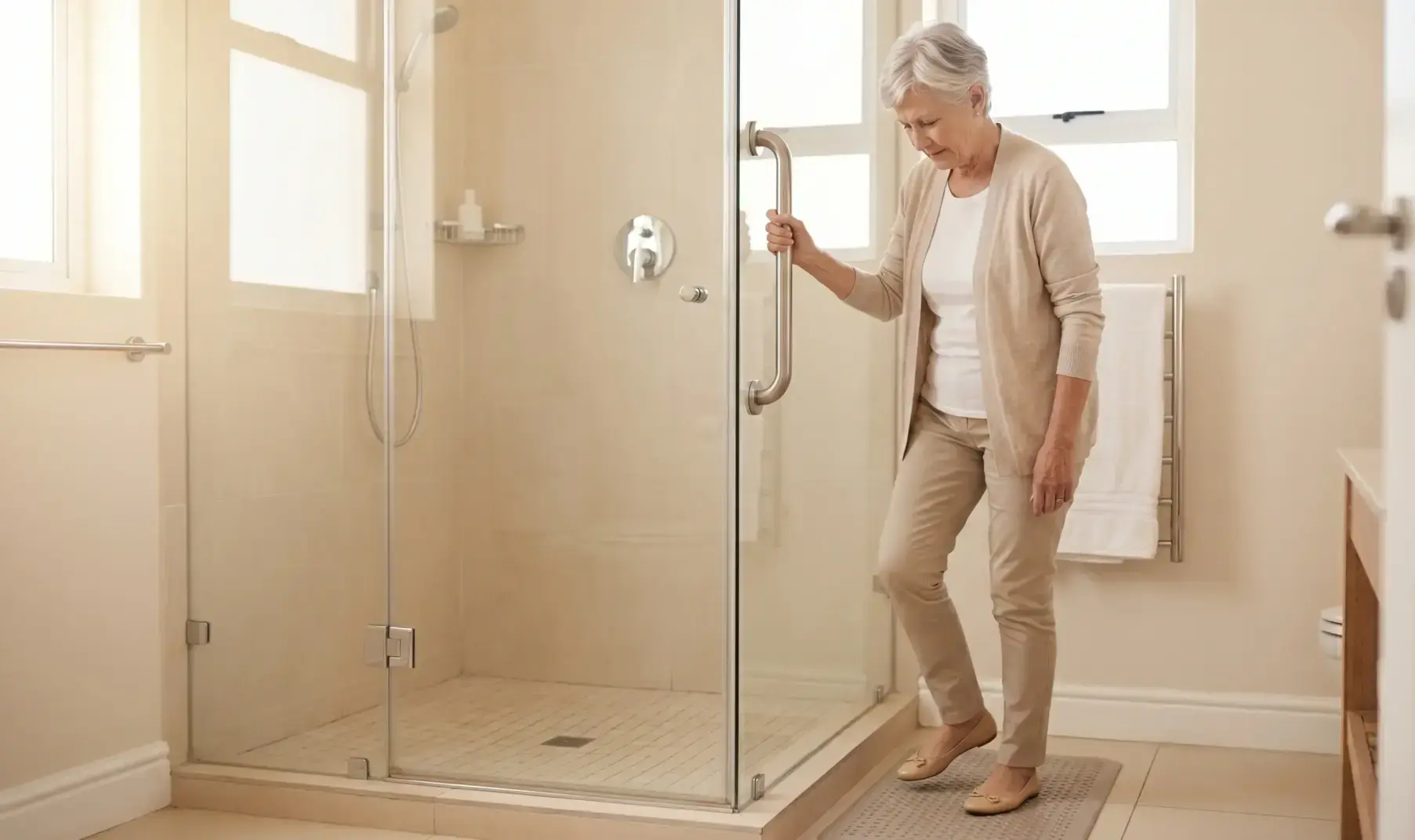
A shower may seem like a simple daily routine, but for older adults it can involve several physical challenges at once. Slippery surfaces, standing for extended periods, bending, reaching, and exposure to hot water can all create risks.
Falls remain one of the leading causes of injury among seniors. Even a minor slip can lead to fractures, lengthy recoveries, and reduced independence.
People dealing with arthritis, muscle weakness, balance problems, or low blood pressure are particularly vulnerable.
Hot water can make matters worse. It may lower blood pressure temporarily, causing dizziness or lightheadedness when standing up. Combined with fatigue, that can create a dangerous situation inside a wet and slippery environment.
Simple precautions can make a difference. Non slip mats, grab bars, shower chairs, and shorter shower sessions all help reduce risk.
Staying Clean Doesn’t Require a Daily Shower
Many people are surprised to learn that cleanliness and daily bathing are not the same thing.
According to many dermatologists and geriatric care professionals, older adults often do not need a full body shower every day. For many healthy seniors, showering two or three times per week is perfectly adequate.
Of course, individual circumstances matter. People who sweat heavily, experience incontinence, exercise regularly, or have certain medical conditions may need more frequent washing.
On days between showers, basic hygiene can usually be maintained with simple routines. Washing the face, hands, underarms, and groin area often provides all the cleanliness most people need.
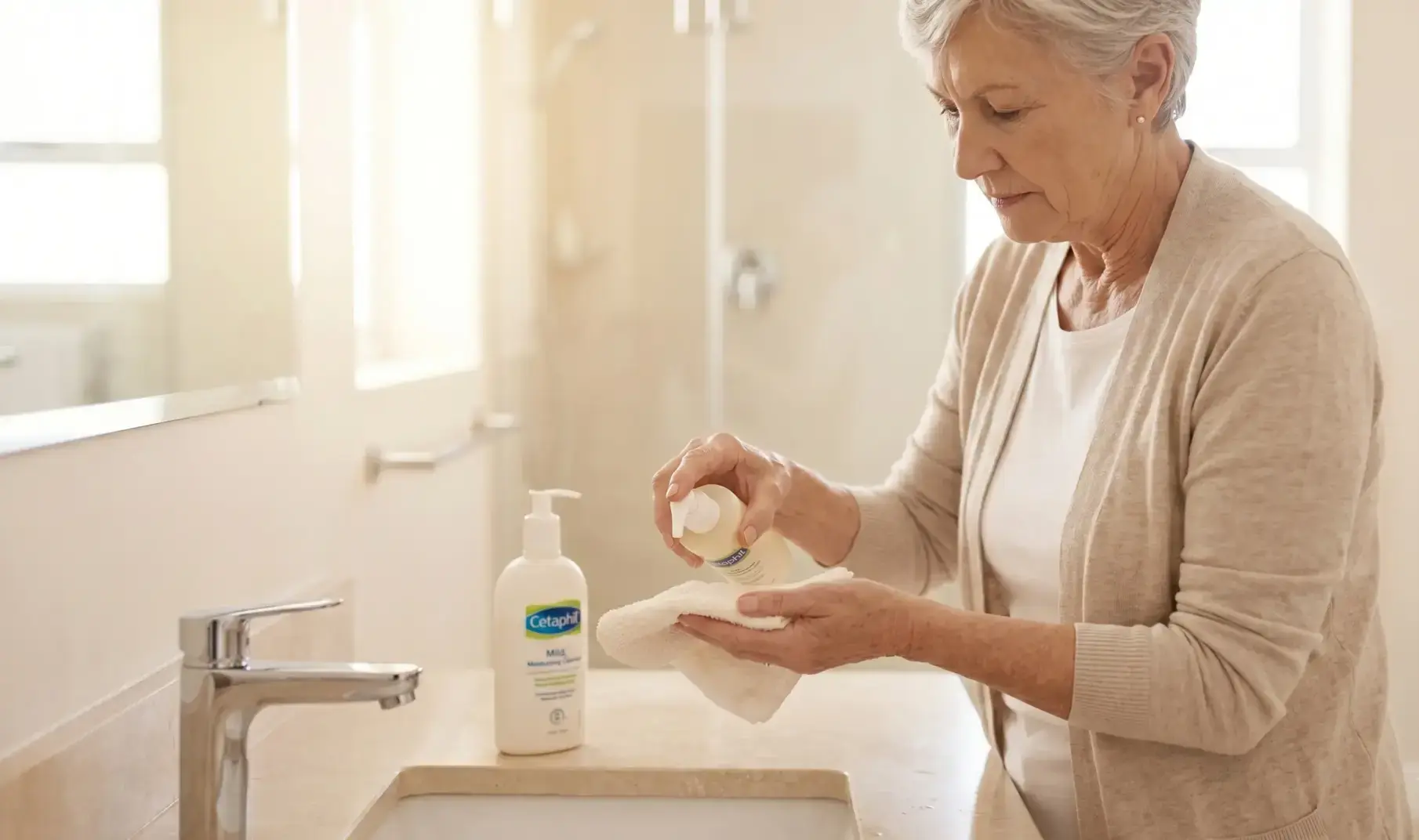
Changing into clean clothes and using a warm washcloth can also help someone feel fresh without exposing the entire body to unnecessary drying.
The focus shifts from strict routines to practical comfort and skin health.
Soap Doesn’t Need to Go Everywhere
Another misconception is that every part of the body needs to be scrubbed with soap every single time you shower.
Many dermatologists disagree.
Certain areas naturally produce more sweat and bacteria than others. The underarms, groin, and feet generally benefit from regular cleansing with soap.
Other areas often do just fine with water alone.
For older adults with sensitive or dry skin, limiting soap use can reduce irritation and help preserve natural oils. This simple adjustment can make a noticeable difference in overall skin comfort.
Long Showers Can Be Hard on Aging Skin

A long, hot shower can feel relaxing after a busy day. Unfortunately, aging skin often pays the price.
The longer skin remains exposed to water, the more vulnerable it becomes to moisture loss afterward. Hot water speeds up this process by removing protective oils that help keep skin hydrated.
Many older adults notice that their skin feels tight, flaky, or itchy after lengthy showers. This is often a sign that the skin barrier has been disrupted.
Experts generally recommend keeping showers brief, ideally between five and eight minutes. Shorter showers help preserve moisture while also reducing fatigue from standing too long.
It is a small adjustment that can have a surprisingly big impact.
Many people focus entirely on the shower itself and forget what comes afterward.
In reality, post shower skin care can be just as important as the bathing routine.
Once skin is exposed to air, moisture begins evaporating quickly. If nothing is done to replace or lock in that hydration, dryness often follows.
Instead of vigorously rubbing with a towel, dermatologists recommend gently patting the skin dry. This reduces friction and helps avoid irritation.
Applying moisturizer shortly afterward can make an even bigger difference. When moisturizer is used while the skin is still slightly damp, it helps trap water and strengthen the skin’s protective barrier.
For older adults, this simple habit can significantly improve comfort and skin health.
Many people assume that showering every day is automatically healthier, but age can change that equation.
After 70, the skin becomes more delicate, balance issues become more common, and the body’s needs evolve. For many seniors, showering less frequently can actually support better skin health while reducing unnecessary risks.
The key is finding a routine that keeps the body clean without causing irritation, dryness, or fatigue. Short showers, lukewarm water, gentle products, and regular moisturizing often provide a healthier approach than daily scrubbing.
Good hygiene is important at every age. But for older adults, the healthiest routine is often the one that works with the body’s changes rather than against them.