These 9 Jobs Face the Highest Risk of Burnout


Most people deal with work stress at some point in their jobs. A tough deadline, a difficult client, or a demanding week can leave anyone feeling drained. But burnout is different. It goes far beyond ordinary workplace pressure.
When stress builds up day after day without relief, it can eventually turn into something much more serious. Energy disappears, motivation fades, and even a job you once loved can start to feel unbearable.
Recognizing how widespread the problem has become, the World Health Organization now classifies burnout as an occupational phenomenon. In other words, it is no longer viewed simply as a personal issue or poor life management. Instead, it is increasingly recognized as a consequence of chronic workplace stress that has not been properly addressed.
According to the WHO, burnout is characterized by three main signs:
- Constant exhaustion and depleted energy
- Growing negativity, cynicism, or emotional distance from work
- Reduced effectiveness and performance on the job
In today’s always-connected world, switching off is becoming harder than ever. Smartphones, email notifications, workplace messaging apps, and after-hours expectations have blurred the line between professional and personal life.
For many employees, the workday never truly ends.
That reality should serve as a warning to employers. Burnout is not simply an individual problem. It is a workplace issue that affects productivity, morale, and long-term employee well-being.
Have You Developed Burnout?
Burnout does not usually happen overnight. It often develops gradually, making it difficult to recognize until the symptoms become impossible to ignore.
Take a moment to consider these questions:
Have friends, family members, or loved ones suggested that you work too much?
Have you become increasingly frustrated, angry, or resentful about your job in recent months?
Do you regularly feel guilty for not spending enough time with people you care about or even with yourself?
Have you noticed yourself becoming more emotional than usual, whether through anger, tears, irritability, or constant tension?
Answering “yes” to one or more of these questions does not automatically mean you’re experiencing burnout. However, it could be a sign that something needs attention.
The questions were originally developed through the United Kingdom Practitioner Health Programme as a simple way to help people recognize potential warning signs before the situation becomes more serious.
If any of these feelings sound familiar, it may be worth speaking with a manager, workplace counselor, or mental health professional. Many organizations now provide confidential support services through employee assistance programs.
Every person has limits.
Some people can handle intense pressure for longer periods than others, but everyone eventually reaches a point where the demands placed on them exceed their ability to cope.
When that happens, the body and mind begin to push back.
People experiencing burnout often describe feeling emotionally exhausted, disconnected, and numb. Tasks that once felt meaningful may start to feel pointless. Relationships with colleagues, clients, customers, or patients can become strained as patience wears thin.
Over time, enthusiasm disappears.
Many burned-out workers report feeling detached from their profession and struggling to find any sense of accomplishment in what they do. Productivity often declines, motivation drops, and the work itself can begin to feel like a burden rather than a purpose.
While burnout is not officially classified as a mental illness, its impact can be significant. Left unaddressed, it may contribute to anxiety, depression, chronic fatigue, sleep problems, substance misuse, and difficulties within personal relationships.
The Jobs Most Vulnerable to Burnout
Any profession that involves constant interaction with people carries a higher risk of burnout.
Workers who spend their days managing the needs, emotions, and expectations of others often experience a unique form of stress that can build over time.
Here are some of the professions most commonly associated with burnout:
1. Teachers
Teachers do far more than deliver lessons. They manage classrooms, support students emotionally, communicate with parents, and often complete administrative work long after the school day ends.
The emotional demands can be overwhelming, especially when resources are limited and expectations continue to rise.
2. Care Workers
Caregivers frequently support individuals who are elderly, disabled, or facing serious health challenges. The work is deeply meaningful but can also be emotionally exhausting.
Constantly caring for others often leaves little energy for self-care.
3. Prison Officers
Working in correctional facilities can be mentally and emotionally draining. Officers must remain alert while navigating high-pressure situations and potentially dangerous environments on a daily basis.
4. Retail Employees
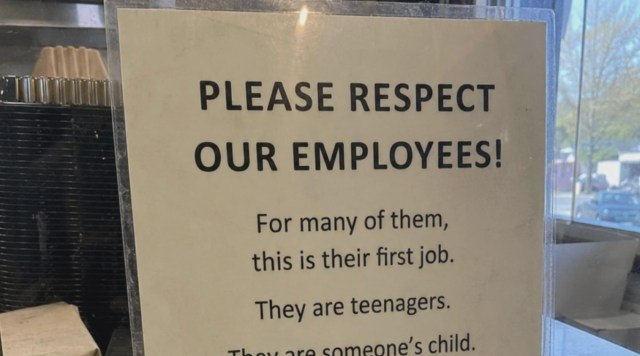
Retail workers often face long hours, demanding customers, staffing shortages, and performance targets. During busy periods, stress levels can climb rapidly.
5. Police Officers
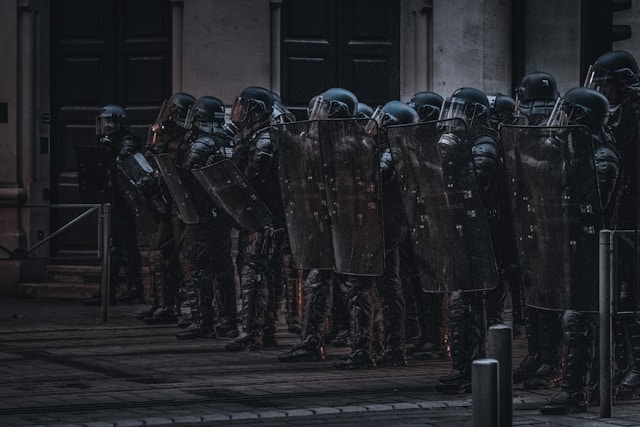
Law enforcement professionals routinely deal with emergencies, conflict, and traumatic situations. The constant exposure to high-stress events places significant pressure on mental health.
6. Paramedics
Few professions operate under the same level of urgency as emergency medical services. Split-second decisions, long shifts, and exposure to trauma make burnout a serious concern among paramedics.
7. Nurses
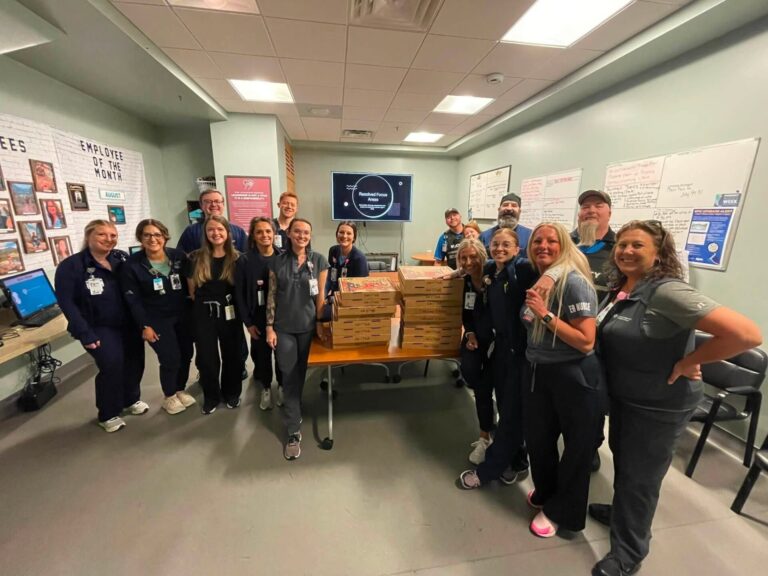
Nurses often work extended shifts while caring for patients during some of the most difficult moments of their lives. The combination of emotional labor and physical demands creates a substantial risk of exhaustion.
8. Doctors
Burnout among physicians has become a growing concern worldwide.
A survey involving 15,000 doctors in the United States found that 44% reported symptoms associated with burnout.
One neurologist summed up the experience bluntly:
“I dread coming to work. I find myself being short when dealing with staff and patients.”
When healthcare professionals begin feeling this way, the consequences can affect both workers and patients.
9. Lawyers
The legal profession has long been associated with long hours, intense workloads, and high-pressure environments.
In a survey involving employees at a major London law firm, nearly three-quarters of lawyers reported feelings linked to burnout. More than half believed a better work-life balance could help address the problem.
Although certain careers carry a higher risk, burnout is not limited to a specific profession.
A person working in an office can burn out just as easily as someone working in healthcare or emergency services.
The common factor is prolonged exposure to stress without adequate recovery.
When demands continue to increase while support, rest, and personal time decrease, burnout becomes far more likely.
Employers have a responsibility to create healthy work environments and ensure staff are not pushed beyond sustainable limits.
At the same time, employees can take steps to protect themselves.
One of the most valuable skills is building resilience. Resilience does not mean ignoring stress or pretending everything is fine. It means developing healthy ways to manage challenges and recover after difficult periods.
Setting clear boundaries is often a good place to start.
That might mean limiting after-hours emails, taking regular breaks, using vacation time, or protecting personal time from work-related interruptions.
It is also important to remember that your career is only one part of who you are.
Too often, people tie their entire identity to their profession. When work becomes the sole source of purpose, setbacks can feel devastating and burnout becomes harder to avoid.
Making time for hobbies, relationships, exercise, and activities that bring genuine enjoyment can create a healthier balance.
And if your job is consistently making you unhappy, it may be worth exploring other opportunities.
Sometimes the healthiest decision is not working harder. Sometimes it is finding an environment where you can thrive without sacrificing your well-being.