Andrew McCarthy’s Real-Life Story Is More Gripping Than Any Movie

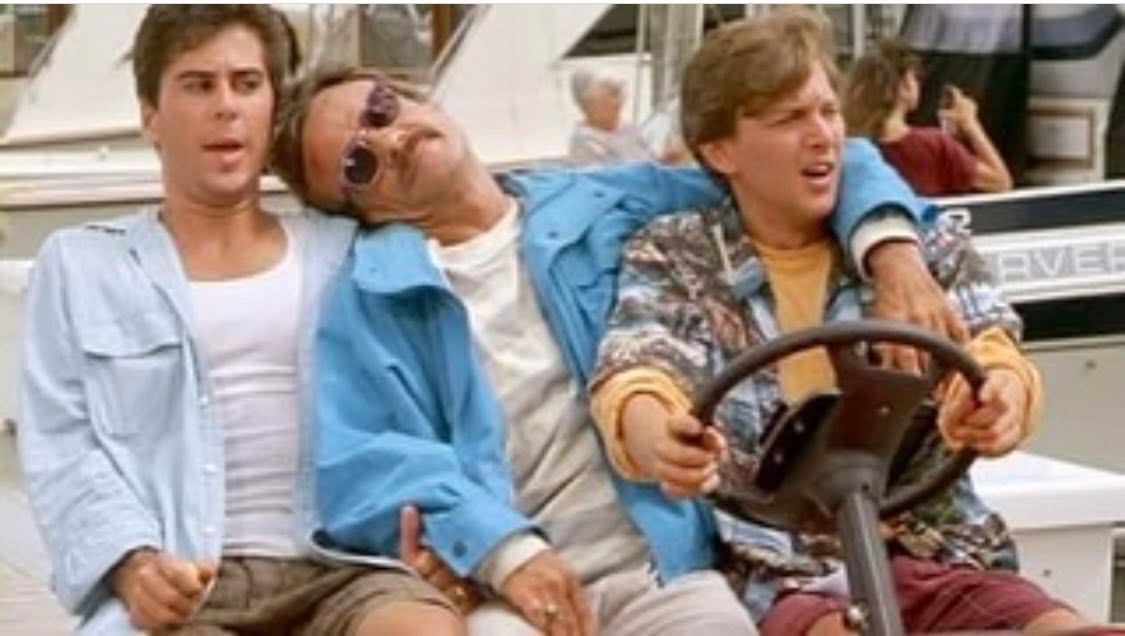
Andrew McCarthy became one of the most recognizable faces of the 1980s, appearing in movies that would go on to define an entire generation.
St. Elmo’s Fire, Pretty in Pink, Mannequin and Weekend at Bernie’s helped turn him into a household name while he was still very young.
But long before the premieres, screaming fans and Hollywood parties, Andrew McCarthy was simply a kid growing up in New Jersey with no real connection to the entertainment industry.
Born in 1962 in Westfield, New Jersey, he was the third of four boys. His mother worked for a newspaper, while his father worked in investments and stocks. It was a relatively ordinary upbringing, far removed from the strange world of celebrity he would eventually enter.
And when fame finally came, Andrew McCarthy has admitted that he had absolutely no idea what to do with it.
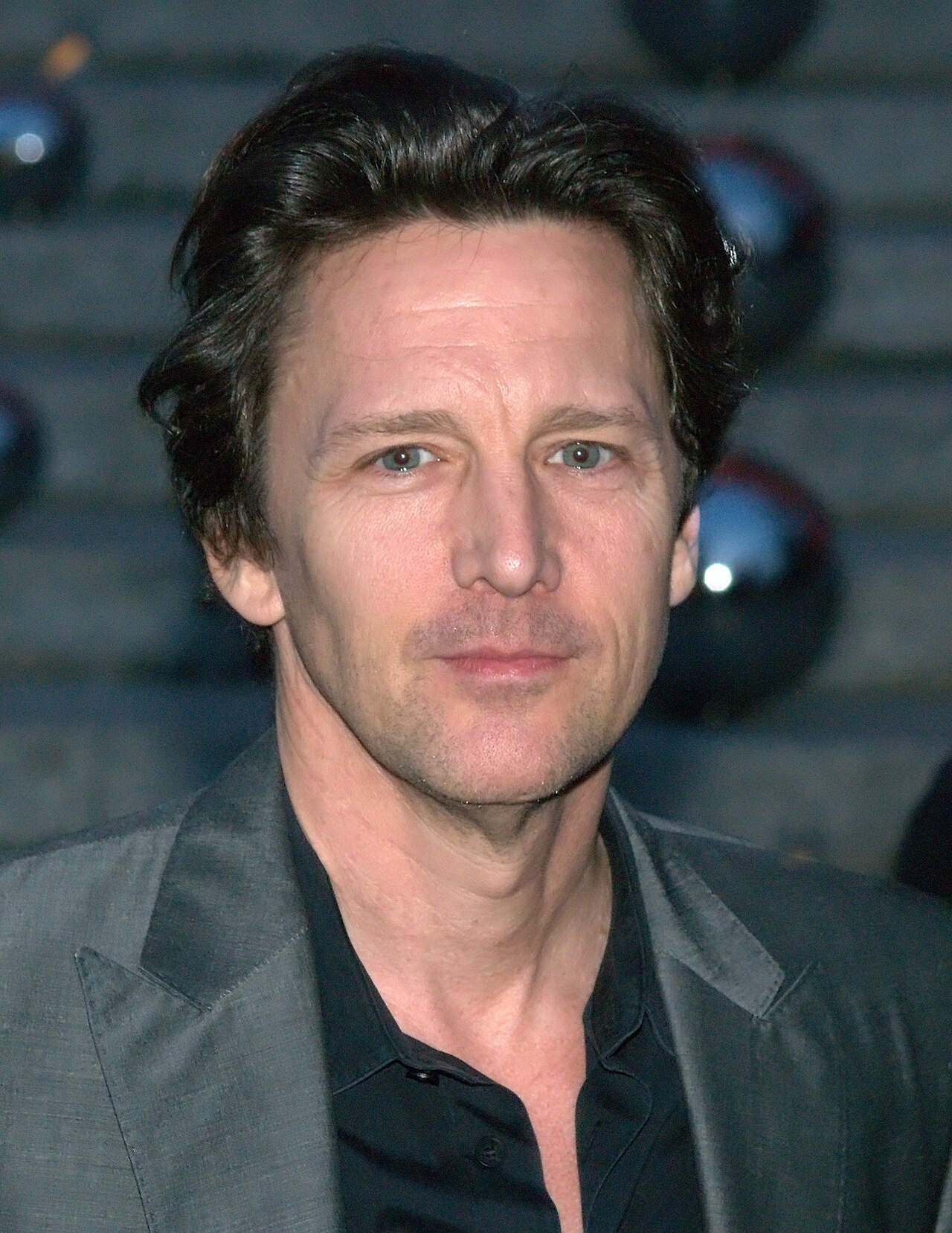
“I was totally unprepared for any kind of success when I was a young person,” he once explained. He had never been around famous people or anyone who had experienced that type of success. Even worse, the attention itself made him uncomfortable.
He wasn’t naturally drawn to being the center of a room. In fact, he often wanted the opposite.
That feeling of not quite fitting in had followed him for years.
During high school, Andrew discovered that acting gave him somewhere to put all of those emotions. Performing interested him, but school itself was another story.
“I just felt sort of very lonely at school,” he later recalled. “I just didn’t feel like I belonged there.”
After graduating, Andrew McCarthy enrolled at New York University to study acting.
It didn’t last long.
After two years, he was expelled.
His explanation years later was refreshingly simple.
“I didn’t really go.”
Under normal circumstances, getting kicked out of acting school might have looked like the end of a dream before it had even properly started.
Instead, something almost ridiculous happened.
Only weeks later, Andrew noticed an open casting call advertised in a newspaper for the movie Class, which starred Jacqueline Bisset.
He decided to show up.
There were hundreds of other young men waiting for the same opportunity. Andrew reportedly sat there for hours with around 500 hopeful actors before his name was called.
Then he got called back.
Suddenly, the young man who had just been thrown out of NYU had landed his first major film role.
“One week I was in school and the next week I’m in bed with Jacqueline Bisset,” he later joked.
In Class, Andrew McCarthy played Jonathan, a prep school student who becomes involved with an older woman, only to discover she is the mother of his roommate.
The role immediately put him on Hollywood’s radar.
And apparently, NYU noticed too.
According to Andrew, the university later suggested that he could return, pay his tuition and count the movie as independent study.
He wasn’t interested.
His response was considerably less polite.
The strange beginning to his career turned out to be only the start.
Just a couple of years later, Andrew McCarthy landed one of the films that would forever connect him with the 1980s.
In 1985, he appeared in St. Elmo’s Fire alongside Rob Lowe, Judd Nelson, Emilio Estevez, Demi Moore and several other rising stars.
Critics were not particularly kind to the movie.
Audiences didn’t care.
The film became a major hit and helped make its young cast famous almost overnight.
There was just one problem.
Those actors soon found themselves grouped together under a nickname that many of them disliked.
The “Brat Pack.”
The label suggested a group of privileged young Hollywood stars known almost as much for partying and arrogance as they were for acting.
Andrew McCarthy never felt comfortable with it.
Still, the name followed him for decades.
By 1986, however, there was no question that Andrew had become a genuine teen heartthrob.
That year, he starred opposite Molly Ringwald in Pretty in Pink.
His character, Blane, was quiet, sensitive and slightly awkward. Andrew’s understated performance became part of what made the character so memorable.
To audiences watching from the outside, Andrew McCarthy looked like the soft-spoken, romantic young actor Hollywood had been waiting for.
What almost nobody knew was how badly he was struggling behind the scenes.
Years later, Andrew revealed that he had spent much of that period drinking heavily.
He had started smoking marijuana during high school and had been drinking socially for years, but fame gave him access to a lifestyle where alcohol was everywhere.
Eventually, it stopped being social.
It became something he depended on.
Andrew has even admitted that while filming Pretty in Pink, he was frequently hungover.
People watching the movie thought they were seeing vulnerability and sensitivity in his performance.
Inside, Andrew said he was often simply thinking about how sick he felt and how badly he wanted to lie down.
That contrast became one of the strangest parts of his early career.
Onscreen, he seemed calm.
Offscreen, he was struggling.
Alcohol gave him something he didn’t feel he naturally possessed.
Confidence.
“If I was frightened, it gave me good Dutch courage,” Andrew McCarthy once explained.
When he drank, he felt attractive, powerful and in control.
Those feelings were difficult for him to access when he was sober.
And Hollywood offered endless opportunities to keep drinking.
In his memoir, Brat: An ’80s Story, Andrew described being thrown into a world that included nights at the Chateau Marmont and parties filled with celebrities.
At one gathering, he noticed a young woman with a pixie haircut and tried talking to her.
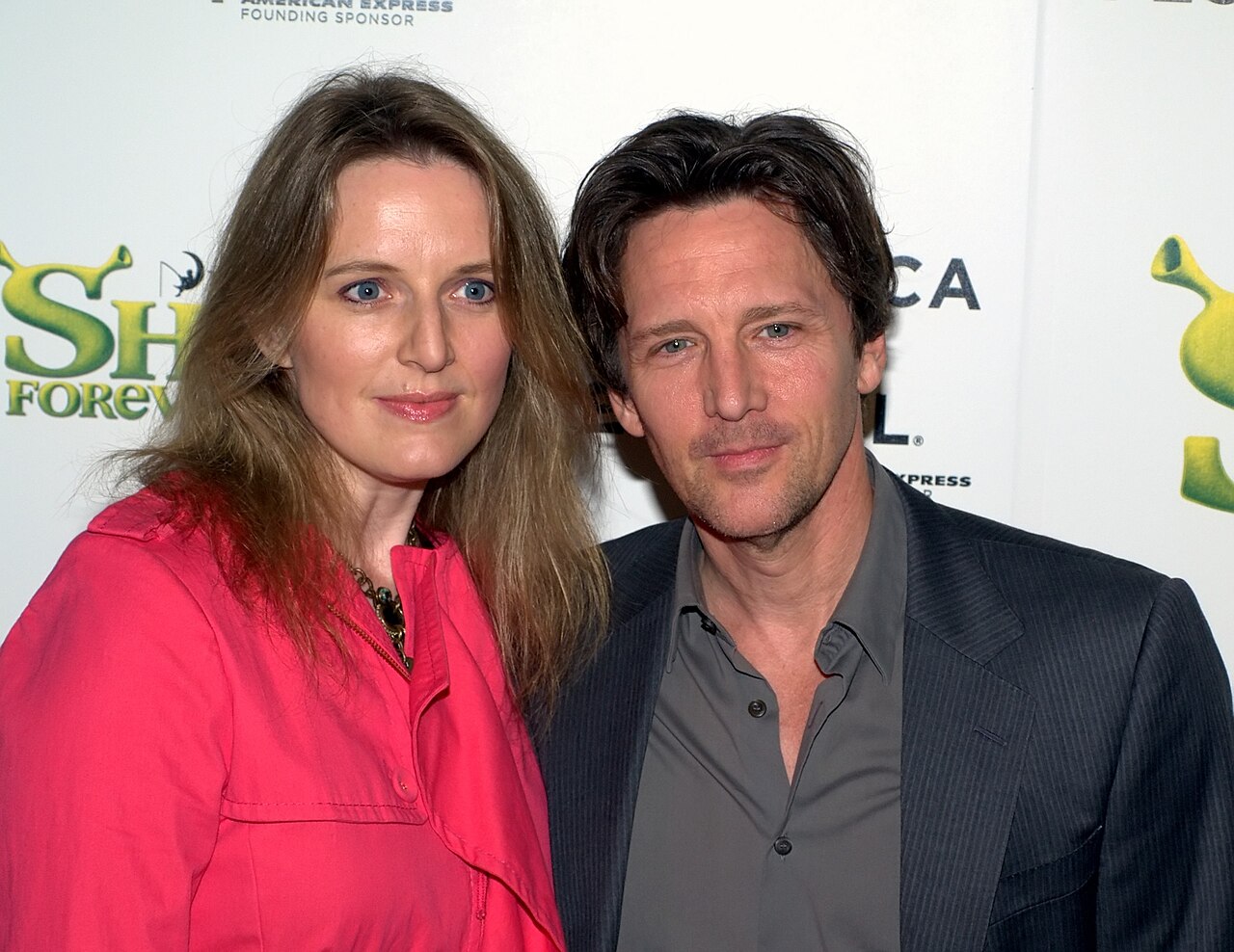
That woman was Courteney Cox.
According to Andrew, she wasn’t interested.
“Courteney Cox was having none of me,” he later wrote.
Stories like that sound funny decades later, but beneath all the glamorous memories was a much darker reality.
His relationship with alcohol was getting worse.
In 1989, Andrew McCarthy decided he needed to stop drinking.
He quit just before filming Weekend at Bernie’s.
Rather than testing himself around bars and parties, he largely withdrew from his social life.
For some people, that kind of isolation might have been unbearable.
For Andrew, it felt surprisingly natural.
He has always described himself as someone who is comfortable being alone.
“I’m very comfortable being alone and I’ve always been comfortable being alone,” he said years later.
He believed people sometimes caused themselves enormous amounts of trouble simply because they were frightened of solitude.
For a while, staying away from people helped him stay away from alcohol too.
But sobriety didn’t hold.
While filming Jours tranquilles à Clichy, someone offered him a beer.
It probably looked harmless from the outside.
To Andrew McCarthy, it was anything but.
As he lifted the can, his hands reportedly began shaking.
His body was giving him a warning.
He drank anyway.
What followed was a period he would later describe as three “lost and painful” years.
His drinking returned, and so did the chaos surrounding it.
There was also cocaine.
Andrew has spoken openly about experimenting with the drug during the 1980s, although he said alcohol remained his real problem.
“If you had it, I did it,” he once admitted.
Still, he generally avoided cocaine while actually working.
He already felt anxious enough on movie sets and didn’t want to make the anxiety worse.
By the early 1990s, Andrew McCarthy looked different from the baby-faced actor people remembered from Pretty in Pink.
The boyish appearance had started giving way to something rougher and more lived-in.
Fans still saw him attending premieres and appearing in movies.
He still looked confident.
Privately, things were falling apart.
Then came the moment he could no longer ignore.
One morning, badly hungover and experiencing convulsions, Andrew collapsed on a bathroom floor.
He cried over what his life had become.
He was 29.
Soon afterward, he checked himself into rehab.
He went through detox and made the decision to stop drinking and using drugs.
This time, it stuck.
The decision changed his life.
Andrew stepped away from much of the Hollywood party culture that had surrounded him throughout his twenties.
Sobriety wasn’t some dramatic overnight transformation.
It became a process of figuring out who he was without the substances he had once used to feel confident.
His career began changing too.
Andrew McCarthy continued acting, but gradually discovered that he enjoyed being behind the camera just as much.
Eventually, directing became a major part of his work.
Over the years, he directed episodes of television shows including Orange Is the New Black and Gossip Girl, eventually accumulating an impressive amount of television directing experience.
But acting and directing weren’t his only interests.
Andrew also became deeply involved in travel writing.
It might sound like an unusual jump for someone who became famous as a Hollywood actor, but Andrew never saw the two worlds as very different.
To him, acting and writing came from the same place.
Storytelling.
“People say, ‘How does an actor become a travel writer?’” he once explained. “But they are exactly the same to me.”
Both allowed him to observe people, places and emotions and then communicate what he had experienced.
Travel itself became important to him for another reason.
It pulled him into the present.
“I’m just a better version of myself when I’m traveling,” Andrew McCarthy told NJ Monthly.
When traveling, he said, people become more vulnerable and more aware of what is happening around them.
That passion eventually became another successful chapter of his career.
In 2010, Andrew was recognized as Travel Journalist of the Year, and his writing appeared in publications including National Geographic Traveler and Men’s Journal.
His personal life changed just as much.
On October 9, 1999, Andrew married Carol Schneider, a woman he had originally dated years earlier.
Their reunion had a strange beginning.
Andrew heard through someone else that Carol was happily dating another man.
The news bothered him more than he expected.
For an entire week, he couldn’t stop thinking about it.
Eventually, he called her.
He asked if she was really serious about the other man and invited her out for coffee.
That coffee apparently went well.
The two eventually married and welcomed their son, Sam, in 2002.
Sam later followed his father into acting.
Andrew and Carol’s marriage ended in divorce in 2005.
Several years later, Andrew found love again.
On August 28, 2011, Andrew McCarthy married Irish writer and director Dolores Rice.
The couple went on to have two children together, Willow and Rowan.
Today, Andrew is a father of three.
For someone whose early life was filled with Hollywood hotels, movie premieres and late-night parties, his world eventually became much quieter.
And that seems to suit him.
He lives with his family in New York’s West Village and has spoken openly about how much he loves being a father.
“I adore my children, naturally,” he once said.
His relationship with his own fame has changed too.
Andrew McCarthy is fully aware that Pretty in Pink, St. Elmo’s Fire and his other 1980s movies still mean a great deal to fans.
What he doesn’t share is the same nostalgia.
For him, those films belong to another stage of his life.
When women who grew up watching his movies tell him how much those characters meant to them, Andrew is appreciative.
But he doesn’t necessarily feel personally connected to the nostalgia surrounding them.
“It’s their experience,” he has explained.
He doesn’t spend much time looking backward.
Fans certainly do.
Even decades after Pretty in Pink, Andrew continues receiving comments from people who remember exactly what it felt like to see him onscreen for the first time.
Some tell him he has barely aged.
Others still call him handsome.
To them, Andrew McCarthy will probably always carry a little bit of that 1980s magic.
His own story, however, turned out to be far more complicated than the romantic movies that made him famous.
Behind the quiet smile was someone dealing with loneliness, anxiety and addiction.
Behind the Hollywood parties was a young man who never felt entirely comfortable with fame.
And behind the teen idol was someone who eventually had to make the difficult choice to change his life.
Andrew McCarthy survived a period that could easily have taken him in a very different direction.
He got sober.
He rebuilt his career.
He became a director, writer, husband and father.
And perhaps most importantly, he found ways of telling stories that didn’t depend on being the young heartthrob Hollywood once expected him to remain.
Nearly four decades after becoming famous, his legacy is no longer limited to Pretty in Pink or the Brat Pack.
Those movies might have introduced the world to Andrew McCarthy.
Everything that came afterward showed who he actually became.