
ADHD brains are literally smaller and have broken dopamine systems that cause addiction

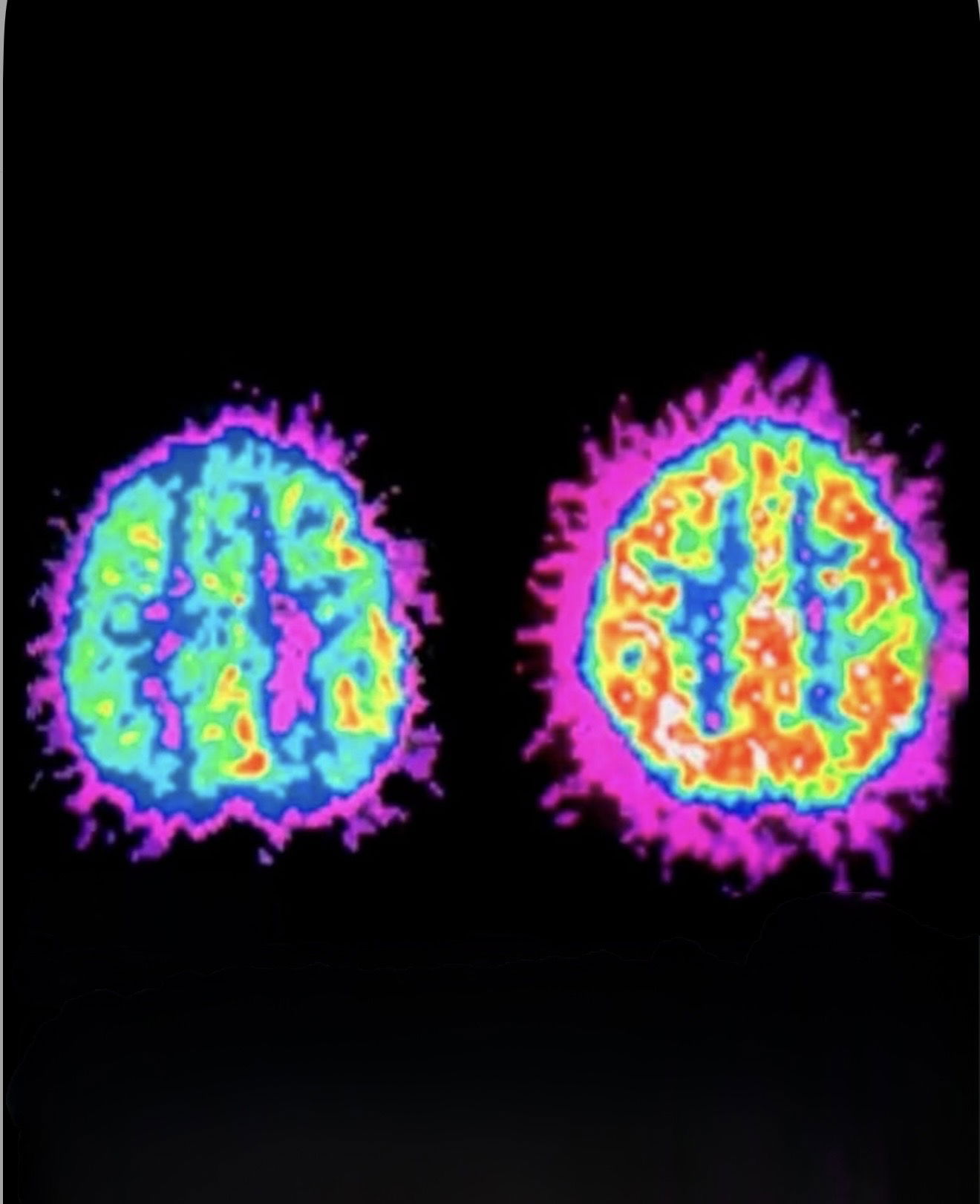
Brain scans show that people with ADHD often have differences in the prefrontal cortex — the area of the brain responsible for focus, planning, and decision-making.
Researchers explain that the dopamine system in individuals with ADHD functions differently. They tend to release less dopamine during everyday activities, making it harder to feel motivated or engaged. As a result, they often seek stronger stimulation in order to stay focused.
These dopamine irregularities help explain why people with ADHD are more likely to be drawn to video games, social media, sugar, and other high-stimulation activities.
Studies have also found that brain regions involved in reward processing, such as the striatum, can be smaller in some individuals with ADHD.
In children, ADHD is linked to a slower pattern of brain development, with maturation often occurring several years later than in their peers.