

Blood type health risks are part of what makes understanding your own blood group so useful for your wellbeing and medical care. Your blood type affects how your body responds to infections, risk factors for certain diseases, and even how you might fare in emergencies where blood transfusion is needed. This guide breaks down the main advantages and disadvantages linked to each major blood type so you can see what science tells us about how your blood group might influence your health.
All human blood types come from the ABO system and the Rh factor, which makes them positive or negative. These factors combine to create types like A positive, B negative, AB positive, O negative, and others. Knowing your blood type matters because it affects compatibility in blood transfusions and ties to specific health tendencies. Scientists have studied how blood types can influence susceptibility to heart disease, cancer, infections, and more, though blood type is not the only factor at play.
Broadly, blood type health risks are tied to how different antigens on red blood cells interact with pathogens, immune responses, and even clotting proteins in the body. These differences in risk and protection can be subtle but important when you look at long-term health outcomes and preventive care.
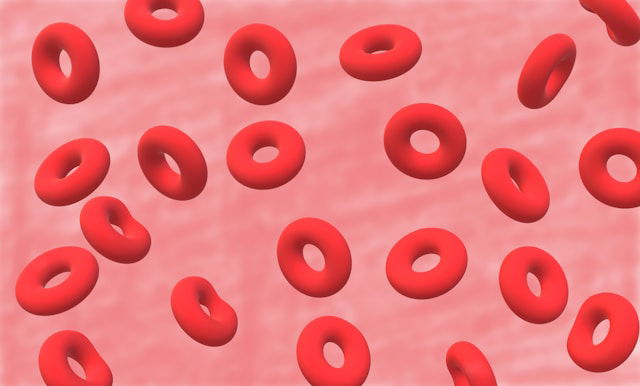
Blood Type O: Common with Protective Edge, but Some Downsides
Advantages
People with blood type O often show several protective health benefits. Research indicates that type O individuals tend to have a lower risk of developing cardiovascular disease. This is thought to be linked to naturally lower levels of certain clotting factors and lower levels of harmful cholesterol, which in turn may reduce heart attack and stroke risk.
Type O blood also seems to offer some natural resistance to malaria, particularly with Plasmodium falciparum, because the parasite has a harder time binding to type O red blood cells. This evolutionary advantage may explain why type O is so common in regions where malaria has been widespread historically.
Disadvantages
On the other hand, blood type O has notable disadvantages. People with this type are more prone to peptic ulcers, likely due to immune interactions with Helicobacter pylori, a bacterium linked to stomach ulcers.
Another downside is that type O individuals may face more bleeding issues because they often have lower levels of clotting proteins like von Willebrand factor, which helps control bleeding. This means that after injury, surgery, or childbirth, bleeding can be harder to stop.
Some studies also suggest that women with type O blood may have lower numbers of healthy eggs or face higher infertility risks, but more research is needed for clear conclusions.
Blood Type A: Higher Risks with Certain Illnesses
Advantages
Blood type A may come with certain benefits related to immune responses. People with type A blood may have a lower risk of some infections, like malaria, compared to non-O types because of how their red cells interact with specific pathogens.
Disadvantages
However, blood type A is often linked with higher blood type health risks, especially related to cancer and heart disease. Multiple studies show that individuals with type A blood have a greater risk of developing stomach cancer and certain pancreatic cancers. This may be due to the way H. pylori interacts with antigens on A blood cells and promotes inflammation.
People with blood type A also tend to carry higher levels of cortisol, a stress hormone, which may contribute to increased stress responses and related health concerns.
Cardiovascular issues may be more common in type A blood carriers as well. Compared to type O, this group has been shown to have a modestly higher risk of coronary artery disease, which can lead to a heart attack or stroke.
Blood Type B: Mixed Outcomes for Health
Advantages
Blood type B appears to protect against some conditions. For example, individuals with type B blood show lower overall risks for kidney stones and some cancers, like stomach and bladder cancer, in certain studies.
Type B may also offer some resilience against tick bites and other specific infections due to its antigen structure, which plays a role in how pathogens recognize and bind to red blood cells.
Disadvantages
Still, this type has its own blood type health risks. Research suggests that people with blood type B might be more prone to serious infections like tuberculosis or cholera and may also have a higher risk of type 2 diabetes and cardiovascular diseases compared to type O.
Type B may also be linked with increased susceptibility to certain metabolic and immune conditions, though evidence varies widely by population and lifestyle factors.
Blood Type AB: Rare but Unique Profile
Advantages
Blood type AB is the least common ABO type in many populations. One of its major advantages is that AB individuals are universal recipients for blood transfusions; they can receive blood safely from any ABO type because their plasma does not contain anti-A or anti-B antibodies.
People with AB blood also serve as universal plasma donors because their plasma lacks anti-A and anti-B antibodies, which can be beneficial in specific transfusion situations.
Disadvantages
Despite these transfusion advantages, blood type AB shows some of the highest blood type health risks in other areas. Individuals with type AB are often found to have an increased risk of blood clotting disorders, which can lead to stroke, and a higher chance of heart disease.
Cognitive decline and dementia risk also appear higher in AB blood type carriers, potentially due to factors linked with clotting proteins and vascular health.
Cancer risk for some forms, such as pancreatic cancer, may also be elevated, though research continues to refine these associations.
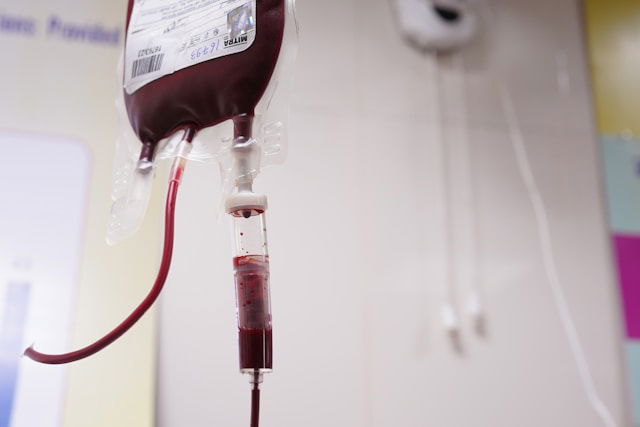
One of the most critical aspects of blood type health risks is blood transfusion compatibility. Giving someone the wrong type of blood can trigger a dangerous immune response where the body attacks the introduced blood cells, leading to clumping, organ failure, or even death. This is why knowing your own type is crucial in emergency care.
For example, type O-negative blood is often called the universal donor for red cells because it can be given to almost any patient in urgent situations. AB positive individuals are universal recipients, meaning they can receive donated blood from any ABO group.
Blood type health risks also arise during pregnancy, especially with Rh incompatibility. If a mother is Rh negative and her fetus is Rh positive, this can cause the mother’s immune system to attack the fetus’s blood cells. Doctors monitor this situation carefully and may give treatments to prevent complications.
It is important to note that blood types do not determine personality. While some cultural theories link blood type to traits like temperament or compatibility, these claims are considered pseudoscience and lack credible scientific support.
Similarly, the idea of blood type diets improving health lacks solid scientific evidence. Studies have found no strong links between eating specific foods based on blood type and improved health outcomes.
Blood type health risks encompass a range of advantages and disadvantages tied to how your body interacts with disease processes, immunity, and even emergency care. While no blood type is universally best or worst, each has patterns of strengths and vulnerabilities. Understanding these can help inform lifestyle choices and conversations with your healthcare provider.
Remember, blood type is only one piece of your health profile. Lifestyle, genetics, environment, and medical history all play major roles in your overall risk and wellness trajectory. With that in mind, knowing your blood type and how it can influence your health gives you an edge in proactive health planning and prevention.


