

Nia Noir went from being celebrated online as a stunning social media model to sparking widespread controversy when the truth emerged that she might not be a real person at all. Millions of people were captivated by her beauty, style, and online presence until digital sleuths uncovered signs that suggested she was created by artificial intelligence and that much of her content was not authentic.
The rise and fall of Nia Noir reveals a modern dilemma about digital identities and the ease it which one can be deceived by convincing AI-generated imagery. Her story became a viral sensation and then a cautionary tale about trust, technology, and influence in online culture.
The Instant Viral Fame of Nia Noir
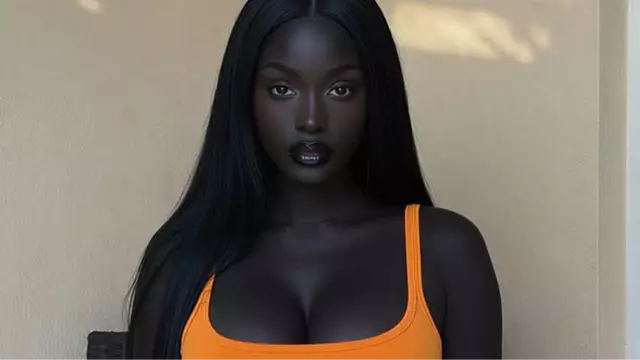
The story of Nia Noir began when short videos and images of her started appearing on platforms like TikTok and Instagram. Her online profiles quickly gained attention because she appeared exceptionally beautiful, confident, and relatable. Videos of her dancing, posing, and interacting seemed normal at first and helped her gain millions of followers.
At the peak of her popularity, Nia Noir had millions of followers on TikTok. Users praised her beauty, style, and presence. Many comments expressed admiration, with some fans calling her one of the most beautiful women they had ever seen. Her aesthetic looked polished and professional in nearly every upload.
Many people believed they were discovering a new rising star in fashion and lifestyle content creation. Her TikTok videos regularly garnered millions of views and likes. The rapid growth of her audience made her one of the most talked-about figures on social media, with fans around the world celebrating her online persona.
As Nia Noir continued posting content and gaining followers, some online users began to notice small details that didn’t quite add up. Observers pointed out physical inconsistencies in her videos, such as unusual hand shapes, fingers that looked odd, or awkward changes in body proportions.
Another sign that raised questions was that items like her phone model seemed to change between selfies and videos. In some clips, she appeared to be using one version of a smartphone, and in others a completely different one. These small but repeated inconsistencies triggered skepticism about her authenticity.
Some followers also noticed that certain clips looked very similar to videos from other creators, suggesting that the footage was manipulated or repurposed rather than originally generated by a real person. These patterns encouraged more people to investigate her content more critically.
Eventually, a wave of online analysis and commentary revealed that Nia Noir was likely not a flesh-and-blood influencer at all, but rather a creation generated by artificial intelligence. Tech watchers, social media researchers, and everyday users shared evidence pointing toward AI models being used to generate her facial features and videos.
This revelation shocked many people who had believed Nia was a real person with dreams, ambitions, and a life off-screen. For her followers, it was disappointing to learn that the engagement and connection they felt may have been built around something artificial.
The idea that an influencer with over two million followers could be entirely digital challenged assumptions about authenticity in online spaces. Some users expressed relief that the truth was uncovered, while others said they were not surprised given the sophistication of modern AI.
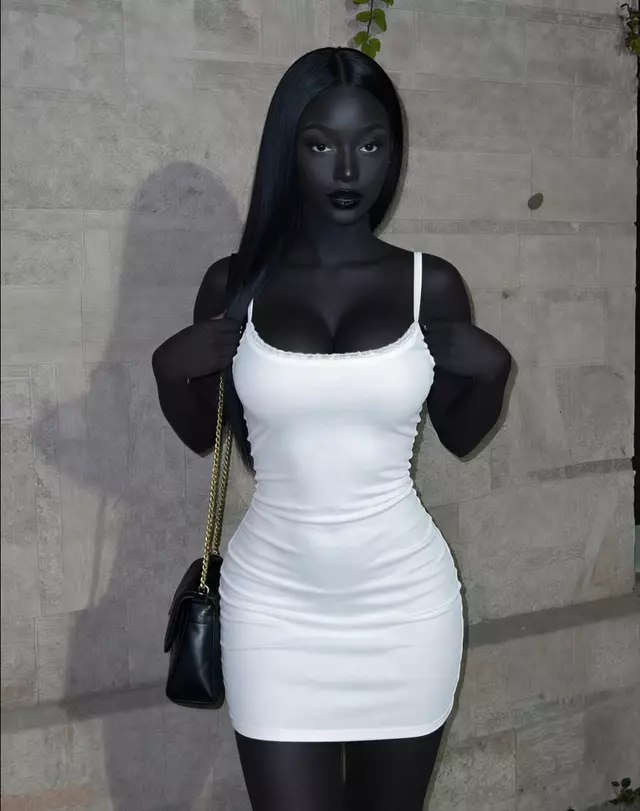
The case of Nia Noir highlights the growing presence of deepfake and generative AI technologies. These systems can create highly convincing human faces and mimic natural movements or behaviors in video. When used irresponsibly, they can create illusions that are difficult for the average viewer to distinguish from genuine human content.
AI-generated personas like Nia Noir are becoming more common as tools improve and become accessible to anyone with basic technical skills. They blur the line between reality and digital creation, raising questions about ethics, authenticity, and online interaction.
This reality has sparked debates about how platforms should handle AI-generated accounts, especially when they gain monetization benefits or influence large audiences while hiding their artificial nature from followers.
Part of the controversy around Nia Noir stems from the fact that her accounts were not only popular but also potentially monetized. Some of her online platforms were connected to subscription services where followers paid for exclusive content. Many subscribers assumed they were supporting a real person rather than an AI model.
Reports suggest that top AI-driven influencer accounts can earn significant income from subscriptions, sponsorships, or content sales. If these earnings are based on deception, they raise legal and ethical concerns for platforms and consumers alike.
The idea that people were spending money to access content created by artificial intelligence struck many as disturbing and unfair, prompting calls for clearer transparency and disclosure from content creators on social media.
Online users and digital watchdogs used a variety of methods to uncover inconsistencies in Nia Noir’s content. Careful comparison of videos revealed irregularities in body proportions and visual glitches that did not make sense for a real human.
Some of the strongest evidence came from noticing that moments in her videos appeared to be lifted or adapted from other creators’ original footage. This suggested not just AI generation, but also an element of content reuse or manipulation that betrayed the illusion of originality.
These detection efforts drew attention from the broader social media community, leading to trending hashtags, discussion threads, and widespread sharing of analysis and commentary.
The reaction to the truth about Nia Noir has been mixed. A segment of the public felt deceived and disappointed, reporting that they had emotionally connected with an account that turned out to be artificial. Others found the situation amusing or unsurprising given the advances in AI technology.
This debate has sparked broader conversations online about what authenticity means in a world where digital creations can appear indistinguishable from actual humans. For many, the Nia Noir controversy is a wake-up call about critical thinking when consuming social media content.
Some users have called for tighter rules from social platforms to require clear labeling of AI-generated accounts, arguing that followers deserve to know when they are engaging with a real person versus a digital creation.
@nianoir.xo♬ sonido original – STIVEN_7.7.2
The Nia Noir situation is not just about one viral account, but a sign of how generative technologies are reshaping digital culture. As AI tools become more advanced, it becomes more challenging for users to tell what is real and what is fabricated.
Experts warn that as deepfake and AI-generated content become more sophisticated, platforms and users alike will need better tools and awareness to protect authenticity and trust on social media. People must become more vigilant and cautious when interacting with online personalities that seem too perfect to be true.
In the case of Nia Noir, the exposure of her artificial nature serves as a stark reminder that not everything popular online reflects reality. Her story is now referenced as an example of how easily misinformation and digital illusions can spread when they tap into human fascination with beauty and fame.
Moving forward, the online community is expected to continue debating how to address AI-generated influencers like Nia Noir. Some users want transparency measures, while others call for stronger platform policies that flag or limit the reach of AI-only accounts.
Whatever happens next, the viral rise and exposure of Nia Noir will likely be studied as a key moment in the evolution of social media influence, AI ethics, and digital identity. Her story underscores the need for media literacy, platform accountability, and clearer disclosure about how content is created and presented.
In a world where digital illusions can feel real, understanding the truth behind viral sensations like Nia Noir helps people engage with online culture more thoughtfully and critically than ever before.


