

Astrophysicist Carl Grillmair was tragically shot outside his home in Southern California in a shocking killing that stunned the scientific community. On February 16, 2026, 67-year-old Grillmair was discovered with a fatal gunshot wound on the porch of his rural house in Llano when deputies responded to a report of an assault with a deadly weapon early that morning.
Police and paramedics were called to the scene at about 6:10 am local time after neighbours or passersby reported hearing trouble at the property on that Monday. When first responders arrived, they found Grillmair already dead from a gunshot wound to the torso, and medical officials later ruled his death a homicide.
The remote location of the home meant that help took longer to arrive than it might have in a more populated area. Grillmair had chosen the sparsely populated desert area of Antelope Valley because it offered little light pollution and excellent conditions for studying stars and galaxies, a feature that had long drawn him there.
Family, friends, colleagues, and associates of the astrophysicist quickly expressed sorrow over his unexpected death, describing him as a brilliant and dedicated scientist who made important contributions to research on planets outside our solar system and the structure of the galaxy itself.
Early Life and Career of the Astrophysicist
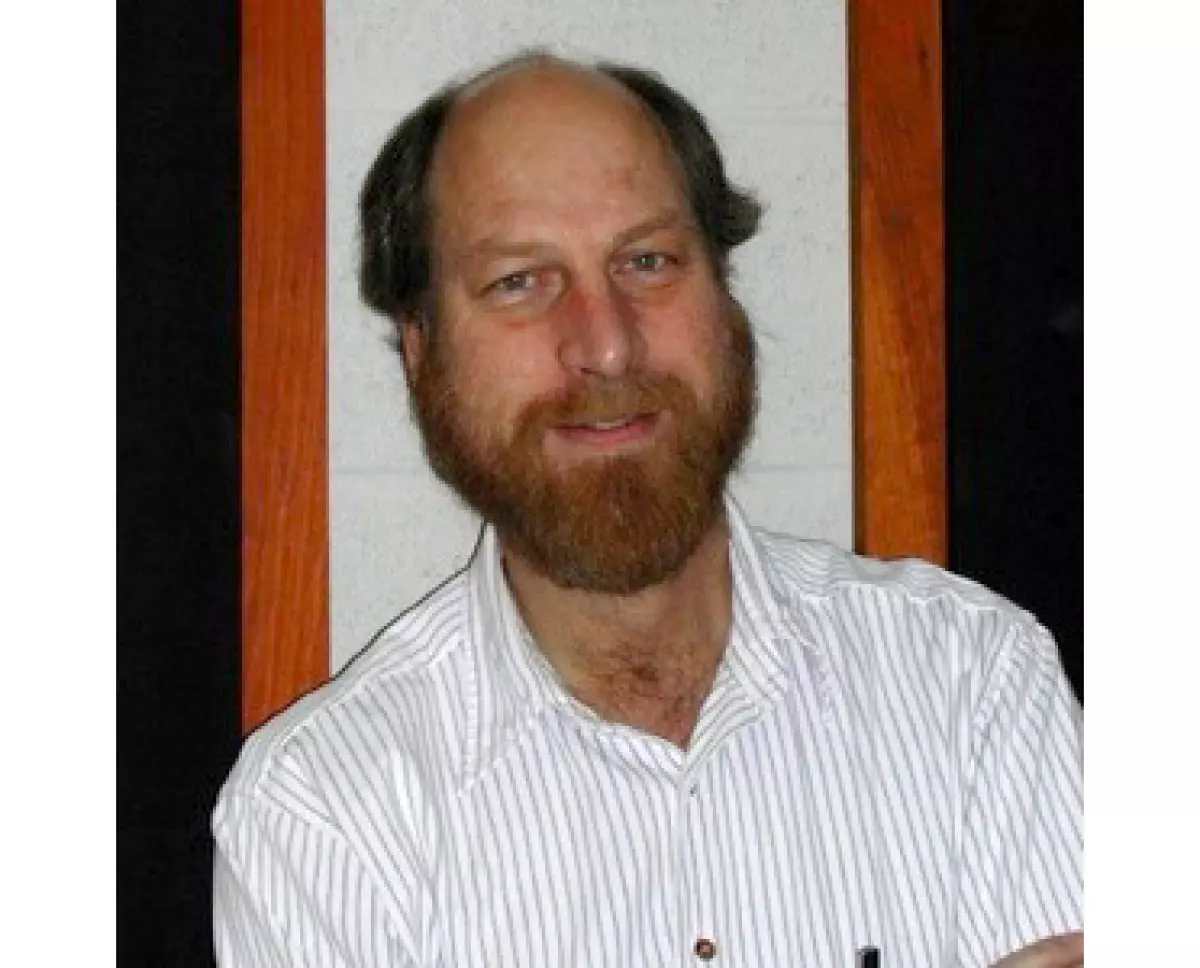
Born in Alberta, Canada, the astrophysicist had a lifelong passion for astronomy that took shape at an early age. He earned his doctorate from the Australian National University and would go on to join the California Institute of Technology’s prestigious Infrared Processing and Analysis Center, or IPAC, in 1997.
Throughout his more than four decades of research, the astrophysicist became known for his detailed studies of galactic streams, structures that reveal how stars orbit and interact within and between galaxies. He was also involved in major NASA missions and was widely respected for his work with the Spitzer Space Telescope and other instruments.
Among his many achievements was research that helped the scientific community detect water on a planet outside our solar system, a discovery that earned him wide praise and recognition from peers around the world for its importance in the search for potentially habitable environments beyond Earth.
Colleagues remember him not just for the depth of his scientific contributions but also for his personality, describing him as both serious and passionate about his work, with an ability to inspire and mentor younger scientists throughout his career.
Police identified a 29-year-old man named Freddy Snyder as a suspect in the killing. Authorities say Snyder was arrested on suspicion of carjacking a relative’s vehicle after the shooting, and additional charges were later brought for burglary in an unrelated December incident.
It is not yet clear if the suspect and the astrophysicist knew each other personally or had any previous connection, though court filings and law enforcement statements indicate they may not have been acquainted. Snyder’s bail was set at $2 million as he awaits further court proceedings on charges that include murder, carjacking, and first-degree burglary.
Before the fatal shooting, Grillmair had called authorities in December to remove a trespasser from his property, and deputies later detained Snyder for weapons violations after that incident. However, he was released and later returned to the area before the fatal encounter earlier this year.
News of the astrophysicist’s death quickly spread through academic and scientific circles, with many expressing shock that such a respected figure in astronomy could be the victim of violent crime. Friends and colleagues highlighted his dedication to understanding the universe and the many lives he influenced through mentorship and collaboration.
Some associates spoke publicly about how rare it was for violence to occur in the remote community where Grillmair lived, noting that residents typically valued peace and privacy above all else. The loss of such a prominent figure in a setting typically known for quiet living has left many feeling unsettled.
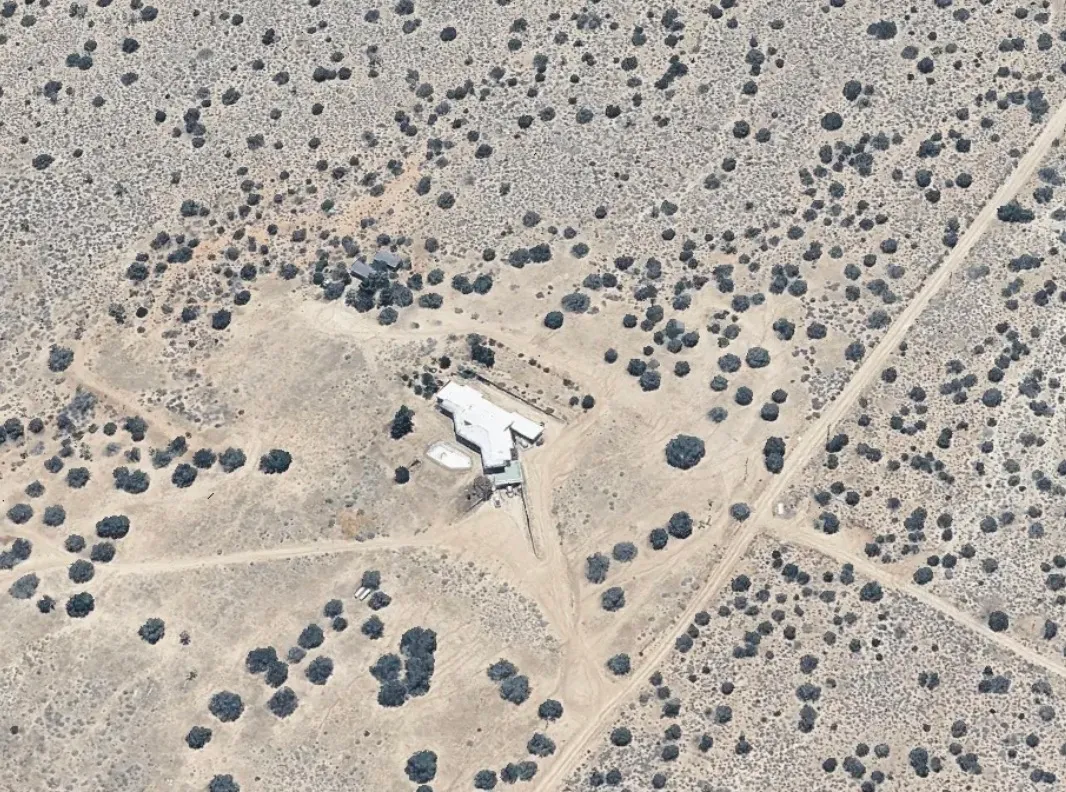
The case has also prompted broader discussions about safety for individuals living in isolated areas, as well as concerns about the vulnerability of prominent scientists who live and work in secluded locations to avoid disruption from city life and artificial light.
Despite the tragic circumstances of his death, the astrophysicist’s legacy will endure through his numerous scientific publications, discoveries, and contributions to the understanding of the cosmos. His work on exoplanets, galactic structure, and the detection of water beyond Earth’s solar system has shaped ongoing research in astronomy and space science.
Friends and family members recount memories of his enthusiasm for flight, observing the stars, and sharing his love of science with others. He maintained a personal observatory on his property where he spent many nights gazing at the sky and mapping celestial objects that captivated his imagination.
Colleagues at Caltech and other institutions have expressed a deep sense of loss, noting that while his life was taken too soon, his influence on the scientific community and the lasting importance of his research will continue to inspire future generations of astronomers and scientists.
In honour of his contributions, some researchers have called for scholarships and awards to be established in his name, so that young scientists seeking to explore space and answer fundamental questions about the universe can carry forward his passion for discovery.
As the investigation into the circumstances of the shooting continues, many in the scientific world are grappling with the loss of one of their own. The astrophysicist’s life and work remain a testament to human curiosity and the relentless pursuit of knowledge that drives astronomers to look beyond our world to the vast reaches of space.
His death has left a void in his field, but his research and the inspiration he provided to others will remain a defining part of his legacy for years to come.


