

Bitcoin has plunged sharply in value in recent days, sparking concern across global markets and forcing investors to take a hard look at the future of the cryptocurrency. The sudden downturn has driven the price down by double digits in just a short period, leading financial authorities to issue warnings and market watchers to reassess their strategies. This significant shift has drawn widespread attention because Bitcoin once stood at record highs not long ago before losing nearly half of its peak value. The current slump shows just how quickly market sentiment and investment trends can change in the world of digital assets.
Bitcoin’s recent decline has been dramatic, with the value dropping by around 11 percent in a matter of hours, pushing the price to levels not seen in well over a year. This sharp fall marks one of the biggest short-term losses in recent memory, and it comes after a period of extended gains that saw Bitcoin reach unprecedented highs. The abrupt sell-off unsettled many traders and investors, prompting questions about what might come next in a market already prone to volatility. The speed of the decline left some holders scrambling to reassess their positions and consider how much risk they could tolerate in a market that can change direction quickly.
In response to the intense volatility, the US Treasury made it clear that it would not step in to prop up Bitcoin or other digital currencies. Treasury officials have stated that they do not have the legal authority to intervene directly in cryptocurrency markets, even as prices continue to slip. This stance underscores a growing gap between traditional financial regulators and the decentralized world of Bitcoin, where dramatic price swings can persist without government support. For many in the crypto community, this position highlights the inherent risks of a market that lacks the traditional safety nets that exist for stocks and bonds.
A Look Back at Bitcoin’s Peak and Fall
Not long ago, Bitcoin was trading at some of the highest levels in its history, reaching over $126,000 at the peak of its rally. That surge was driven partly by strong investor enthusiasm and a perception that broader acceptance of digital assets could be on the horizon. However, since that peak, the price of Bitcoin has steadily slipped, losing more than 50 percent of its value from its historic high. This is a stark reminder of how quickly fortunes can change in the crypto world. Over the months that followed the peak, financial conditions shifted, and Bitcoin’s price began to erode as traders pulled back.
Market sentiment plays a huge role in how Bitcoin’s value moves, and the recent downturn has been driven largely by fear and uncertainty. Investors who once viewed Bitcoin as a high-growth asset are now understandably nervous as they watch its price sink. Many long-time holders have been forced to confront the reality that their investment could fluctuate wildly, sometimes losing significant value in a very short time. This kind of volatility can trigger more selling, as nervous holders choose to cut their losses rather than wait for a rebound.
The slump in Bitcoin’s price has not only affected individual holders but also companies and funds tied to the broader cryptocurrency market. Firms that hold large amounts of Bitcoin or have significant exposure to digital assets have seen their share prices decline alongside the drop in Bitcoin’s value. This has created a ripple effect as investors worry about the impact on corporate earnings and long-term viability. Exchange platforms, investment trusts, and other crypto-related businesses have all felt pressure as capital flows out of the sector in response to the broader market downturn.
Some well-known investors have voiced strong opinions about Bitcoin’s slump, warning that it could trigger broader financial repercussions if the downturn continues. A few investors have even suggested that the drop in price could set off a negative feedback loop, where continued declines undermine confidence further, leading to more selling and deeper losses. While this perspective is far from universally accepted, it reflects the deep anxiety permeating parts of the investment community as Bitcoin struggles to find stable ground.
This is not the first time Bitcoin has fallen dramatically. Over its history, there have been several notable crashes that tested investor resolve. For example, in 2018, Bitcoin’s value plummeted by more than 70 percent during a major market downturn that followed the initial crypto craze. Other significant drops occurred in 2021 and 2022, often following wide swings in investor sentiment or external shocks to the financial system. Despite these setbacks, Bitcoin eventually recovered in each instance, though there were long periods of pain for holders along the way.
The rapid decline has also reignited debates about what role Bitcoin should play in the global financial system. Some proponents argue that Bitcoin represents a revolutionary form of digital money that offers an alternative to traditional currencies and financial systems. Critics, however, say that its volatility makes it unsuitable as a stable store of value or a reliable hedge against inflation. The recent price action has given ammunition to both sides of this debate, with supporters highlighting the long-term potential and skeptics warning that Bitcoin’s future remains uncertain.
Individual Bitcoin investors are responding to the slump in different ways. Some have chosen to hold onto their coins, betting that prices will eventually rebound. Others have decided to sell, either to cut losses or to redeploy their money into what they see as safer assets. Still others are watching from the sidelines, waiting to see if the market finds a bottom before making fresh commitments. The diversity of reactions shows just how split opinion is among those with a stake in Bitcoin’s performance.
Bitcoin’s drop has had a broader impact on the cryptocurrency market, which has seen trillions of dollars in value evaporate alongside Bitcoin’s price decline. Other major cryptos, such as Ethereum and smaller tokens, have also experienced significant declines, reflecting the interconnected nature of digital asset markets. The sell-off underscores how Bitcoin still acts as a bellwether for the crypto world, with its movements often signaling wider trends that affect a range of digital assets.
The psychological impact of the downturn should not be underestimated. Traders who once saw Bitcoin’s rise as almost unstoppable are now dealing with the emotional realities of rapid loss. Fear can spread quickly through markets, leading some investors to behave in ways that amplify selling pressure. This psychological element is a key factor in why drops can become self-reinforcing, pushing prices lower as more holders rush to exit their positions.
Another factor weighing on Bitcoin’s value is the ongoing uncertainty over regulation. Governments around the world are still grappling with how to oversee cryptocurrencies, balancing innovation with investor protection effectively. In the United States, regulators have been particularly active in debating rules around digital assets, including how exchanges operate and how Bitcoin should be treated under existing financial laws. This environment of regulatory flux can add to market anxiety, as investors are unsure how new policies might affect Bitcoin’s future.
Could This Lead to a Market Reset?
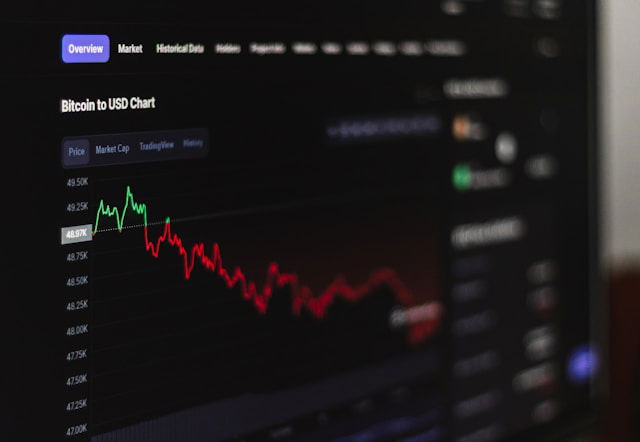
Some analysts believe that the current slump could lead to a broader market reset, forcing traders and investors to reassess their assumptions about Bitcoin’s value. In this view, the drop might strip away excess speculation and leave a more sustainable market foundation in place. Others worry that if confidence is not restored, the slump could deepen and spread to other areas of finance. This debate is ongoing, with no clear consensus on what the next chapter in Bitcoin’s story will look like.
Bitcoin’s recent fall in price is a stark reminder of how unpredictable and volatile digital assets can be. While the downturn has sparked fear and uncertainty, it has also reopened conversations about Bitcoin’s role in the global economy, the impact of regulation, and the psychology of investment markets. For now, the market remains in flux, with investors carefully watching each twist and turn. Only time will tell whether Bitcoin can stabilize and recover or continue its challenging descent, but one thing is clear: its performance will continue to draw intense scrutiny from investors, regulators, and the public alike.


