

CBD is now being studied for a surprising new medical use that could impact millions of people worldwide. Researchers have discovered that compounds derived from cannabis may help treat a common chronic liver condition that affects roughly one-third of adults globally. The findings suggest that CBD, along with another cannabis compound called cannabigerol, could reduce liver fat and improve metabolic health in ways scientists did not fully understand before.
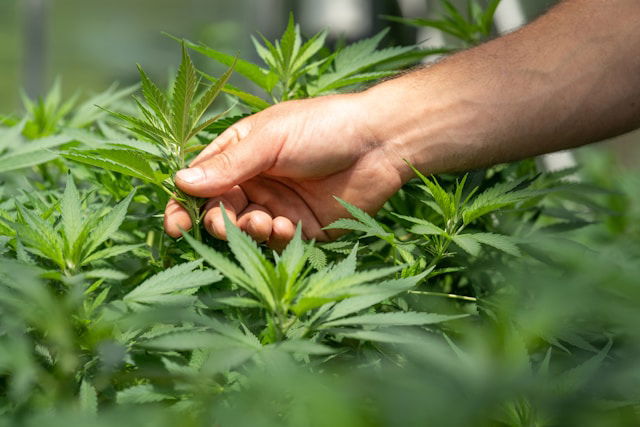
The research, conducted by scientists at the Hebrew University of Jerusalem and published in the British Journal of Pharmacology, points to a new biological mechanism that could eventually lead to new treatments for metabolic liver disease. While scientists emphasize that more studies are needed before these discoveries can be used directly in medical care, the role of CBD in improving liver function has attracted significant interest among researchers studying metabolic disorders.
The condition studied in the research is called metabolic dysfunction-associated steatotic liver disease, often abbreviated as MASLD. It is widely known as fatty liver disease and is currently the most common chronic liver disorder in the world. Health experts estimate that about one-third of adults globally are affected by this condition.
MASLD occurs when excess fat builds up in the liver. Over time, this fat accumulation can disrupt normal liver function and lead to inflammation or more serious complications. The disease is strongly linked to obesity, insulin resistance, and metabolic syndrome.
Despite how widespread the disease has become, treatment options remain limited. Doctors usually recommend lifestyle changes such as improving diet, losing weight, and increasing physical activity. However, these changes can be difficult to maintain in the long term. There are also very few medications approved specifically to treat the condition.
Because of these challenges, scientists have been searching for new ways to treat fatty liver disease. The potential role of CBD has become an area of growing interest as researchers investigate how plant-derived compounds might influence metabolism and liver function.
CBD is a natural compound found in the cannabis plant. Unlike THC, the chemical that produces the well-known intoxicating effect of marijuana, CBD does not cause a high. This makes it more appealing for long-term medical research and possible therapeutic use.
Over the past decade, CBD has been widely studied for potential benefits in areas such as pain management, anxiety, and neurological disorders. Scientists are now exploring whether CBD could also help treat metabolic diseases, including those affecting the liver.
The recent study focused specifically on CBD and another compound called cannabigerol, often shortened to CBG. Both substances come from cannabis but are considered non-intoxicating cannabinoids. Researchers wanted to understand how these compounds interact with the liver and whether they could reduce harmful fat accumulation in liver cells.
The results revealed that CBD and CBG did more than simply reduce fat levels. The compounds appeared to trigger bigger metabolic changes inside liver cells, leading to improved energy management and better removal of harmful waste.
One of the most surprising discoveries in the study involved the liver’s internal energy system. Scientists found that CBD increased levels of a molecule called phosphocreatine inside liver cells.
Phosphocreatine acts as a type of backup energy reserve. It allows cells to store energy that can be used during times of stress or increased metabolic demand. Researchers described this system as similar to a backup battery that helps the liver maintain normal function even when exposed to high levels of dietary fat.
Normally, the liver does not rely heavily on this type of energy reserve. Because of this, the discovery that CBD can increase phosphocreatine levels was particularly unexpected. Scientists believe this effect could help the liver stay functional even under conditions that would usually lead to metabolic stress.
This energy support appears to play a key role in how CBD helps improve overall liver health.
Another important effect observed in the study involves enzymes known as cathepsins. These enzymes act as part of the cell’s internal waste disposal system.
Inside cells, specialized structures called lysosomes work like recycling centers. They break down unwanted materials and waste products so the cell can remove them safely. Cathepsins are enzymes that operate within these lysosomes to break down harmful fats and other substances.
The research showed that CBD helped restore the activity of these enzymes. When cathepsins became active again, liver cells were better able to remove harmful fats and metabolic waste.
As a result, the scientists observed reductions in dangerous lipid molecules, including triglycerides and ceramides. These substances are known to contribute to inflammation and insulin resistance in the liver.
By improving this cellular cleaning process, CBD may help the liver reduce the damage caused by excessive fat accumulation.
Beyond reducing fat in the liver, CBD also showed promising effects on overall metabolic health. The research indicated that CBD helped stabilize blood sugar levels and improved the way the body processes glucose.
This is important because metabolic disorders often occur together. Conditions such as obesity, insulin resistance, and fatty liver disease are closely connected. Improving one aspect of metabolism can often have positive effects on other areas of health as well.
Researchers also observed reductions in circulating harmful lipids. Lower levels of these lipids may reduce the risk of inflammation and cardiovascular problems that often accompany metabolic diseases.
Although the compound CBG showed slightly stronger effects in some metabolic markers, CBD still demonstrated significant benefits across several key measurements related to liver and metabolic health.
Differences Between CBD and CBG
While the study focused on both CBD and CBG, the two compounds appear to influence metabolism in slightly different ways.
CBD showed strong potential in improving liver function and helping the organ manage energy and waste more effectively. CBG, on the other hand, produced particularly great improvements in body fat reduction and insulin sensitivity in the experimental models used in the research.
The researchers also found that CBG significantly lowered levels of total cholesterol and LDL cholesterol, which is often referred to as bad cholesterol.
Even though CBG showed stronger results in some areas, CBD remains the most widely studied cannabinoid and continues to attract significant scientific attention. The combination of CBD and CBG may eventually become an important focus for future therapies targeting metabolic diseases.
Fatty liver disease has become a major global health challenge. With millions of people affected and limited treatment options available, scientists have been searching for new therapeutic approaches.
The discovery that CBD may help improve liver metabolism offers a new direction for research. By targeting the way cells store energy and remove waste, CBD could address the root processes that lead to liver fat accumulation rather than simply treating symptoms.
Researchers describe this process as metabolic remodeling. In simple terms, it means altering the way cells function internally so that they handle energy and waste more efficiently.
This approach could eventually lead to new treatments not only for fatty liver disease but also for other metabolic disorders linked to obesity and insulin resistance.
The research team behind the study highlighted that the results reveal a previously unknown biological mechanism. According to the scientists, CBD helps enhance both hepatic energy systems and lysosomal activity in liver cells.
These combined effects improve how the liver processes fats and maintains metabolic balance.
Scientists involved in the study believe that these findings demonstrate the potential of plant-derived compounds in treating complex metabolic conditions. The ability of CBD to influence multiple biological systems at once may explain why it shows promise in several areas of medical research.
However, the researchers emphasize that the findings are still at an early stage.
Although the results of the study are promising, experts caution that additional research is necessary before CBD can be used as a medical treatment for fatty liver disease.
The current research was conducted using experimental models rather than large human clinical trials. More studies will be required to determine how CBD works in human patients and what doses would be safe and effective.
Scientists will also need to examine possible long-term effects and potential interactions with other medications.
Only after these steps are completed could CBD-based therapies be considered for widespread medical use in treating liver disease.
Despite the need for further investigation, the study highlights a broader shift in how scientists approach metabolic diseases. Researchers are increasingly exploring plant-derived compounds as potential treatments because of their ability to interact with complex biological systems.
CBD represents one of the most promising examples of this trend. Its non-intoxicating nature makes it particularly appealing for long-term therapeutic use.
As researchers continue to explore the biological mechanisms behind CBD, they may uncover additional medical applications for the compound.
The discovery that CBD may help support liver health could mark the beginning of a new phase in metabolic disease research. By improving energy storage and restoring cellular cleaning processes, CBD could eventually become part of innovative treatment strategies designed to address some of the most common chronic diseases affecting adults today.


