Chappell Roan Outrageous Grammys Look Sparks Big Debate

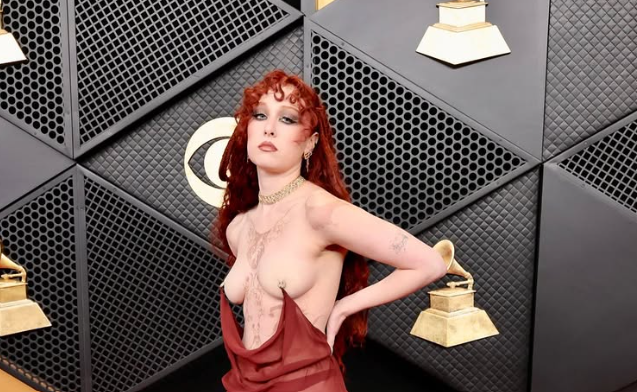
Chappell Roan made one of the boldest fashion statements of the 2026 Grammy Awards when she stepped onto the red carpet in a daring, headline-making look that instantly ignited chatter online and in entertainment circles. Her daring outfit, which appeared nearly topless thanks to it construction, became one of the night’s most talked-about moments and drew praise and sharp criticism from fans, fashion observers, and music lovers alike.
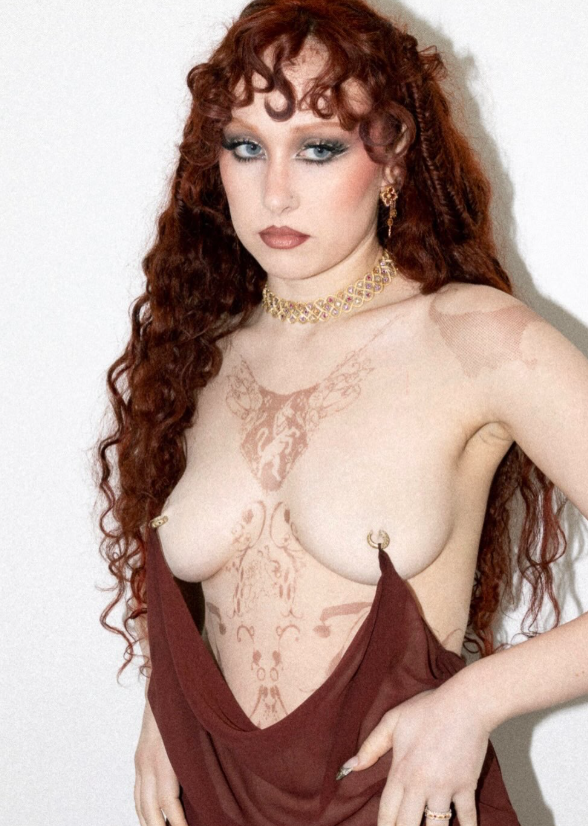
At the 68th Annual Grammy Awards held on February 1 at the Crypto.com Arena in Los Angeles, Chappell Roan wore a custom burgundy Mugler gown that pushed fashion boundaries in a way few red carpet looks have in recent memory. The design featured sheer fabric and was held up in part by faux nipple rings, creating the illusion of exposed skin while maintaining a crafted couture structure. The gown was inspired by an archival Thierry Mugler piece from the Spring/Summer 1998 “Jeu de Paume” haute couture collection, reinvented with artistic flair for the moment.
Before the night of the show, there was already buzz around Chappell Roan and her fashion choices at high-profile events. She has built a reputation for creative and daring outfits that reflect her vibrant personality and artistic identity, often blending elements of theatricality, pop culture, and self-expression. At this Grammy’s appearance, Roan’s look was no exception, and it quickly became a focal point of discussion as soon as photos and videos spread across social media.
Fans on social media responded to Chappell Roan’s outfit with a wide range of reactions almost immediately after she appeared on the red carpet. Some celebrated the boldness of her fashion choice, cheering her for expressing individuality and creativity and praising how she made the outfit part of her artistic persona. A portion of commentators described her look as “iconic,” while others viewed it as a fresh, memorable addition to Grammy red carpet history.
However, not all reactions were positive. A portion of critics and viewers found the outfit too provocative or inappropriate for a mainstream awards show, arguing that such a revealing look overshadowed the musical achievements and performances of the evening. Some shared comments online were dismissive or critical, reflecting the divide in how audiences interpreted Roan’s fashion statement. The mix of reactions highlighted how strongly people felt about what fashion choices should or should not be acceptable at major cultural events.
In response to the chatter and controversy surrounding her appearance, Chappell Roan took to her Instagram account to address the situation with good humor and confidence.
She wrote that she was “giggling” at how dramatic people were making the outfit seem and described the look as both “awesome and weird.” Instead of shying away from the commentary, she encouraged her followers and critics alike to embrace free will and have fun with fashion and self-expression.
Roan’s response resonated with many of her fans, who appreciated her playful tone and secure sense of self. She emphasized that the outfit was not meant to shock for shock value alone, but rather to celebrate individuality and creative expression. Her approach to addressing criticism showed her confidence in her artistic choices and willingness to stand by them even when they sparked debate.
Aside from the fashion conversation, Chappell Roan was also in the spotlight at the Grammys for her music achievements. She entered the night as a nominee in two major categories: Record of the Year and Best Pop Solo Performance for her song “The Subway,” one of her most successful singles that had climbed charts and gained widespread popularity. Despite the nominations, she did not take home a Grammy award at this event, leaving empty-handed in the categories where she was recognized.
Still, Roan remained visible throughout the ceremony, presenting the Best New Artist award during the show. This was a meaningful moment for her because she had won that same award at the previous year’s Grammys, giving her a unique connection to the category and a chance to reflect on her journey in the music industry. Her presence at multiple points in the evening reinforced her status as a rising star and a memorable figure at the event.
Fashion experts and industry observers noted that Chappell Roan’s choice of the Mugler gown was part of a broader trend of celebrities experimenting with avant-garde and boundary-pushing red carpet looks. Designers and stylists often collaborate with artists to create outfits that reflect personal narratives or artistic themes, and Roan’s ensemble was interpreted by some as a bold celebration of artistic freedom. This context helped frame her choice not just as shock value, but as part of a larger conversation about fashion, art, and personal expression.
At the event itself, Roan complemented her striking outfit with makeup and styling that matched the tone of the gown. Her hair and makeup were coordinated with the wine-red tone of the dress, and additional body art or tattoo-style detailing helped create a cohesive aesthetic that blended fantasy and couture influences. Her team described the overall look as a blend of archival fashion and imaginative creativity, designed to resonate with both her personal brand and the spirit of the evening.
View this post on Instagram
As the photos and videos of the outfit spread online, entertainment commentators and fashion critics weighed in from various platforms. Some hailed it as one of the most memorable red carpet moments of the night, comparing its impact to other high-profile fashion statements in award show history. Others debated whether such risqué fashion choices should be embraced or criticized, reflecting how subjective and personal fashion commentary can be among diverse audiences.
Chappell Roan’s Grammys appearance, controversial as it was, succeeded in capturing attention and prompting conversation about the intersection of music, fashion, and personal expression. Whether viewers loved it or recoiled at it, the outfit became a defining visual element of the 2026 Grammy Awards and ensured that the singer’s presence would be talked about long after the show ended.
In the days following the ceremony, posts, memes, and discussions continued across social media platforms as fans and critics alike referenced Chappell Roan’s look. The mix of positive reactions and negative commentary underscored how polarizing fashion can be when it challenges conventional norms, especially on such a public and celebrated stage.
Ultimately, Chappell Roan’s daring red carpet choice added a layer of cultural conversation to the 2026 Grammys that went beyond awards and performances. It became a moment that sparked debate about artistic freedom and the role fashion plays in public perception, highlighting how a single fashion choice can ignite widespread discussion across the entertainment world.
Chappell Roan’s bold fashion moment will likely be remembered as one of the key talking points of the evening, illustrating how artists continue to use high-profile events to express individuality and push creative boundaries. It is a reminder that fashion and music are deeply intertwined in how fans and critics experience and remember cultural moments like the Grammy Awards.
Her message about self-expression and fun in fashion continues to resonate with supporters, encouraging people to be themselves unapologetically, regardless of how others might judge or react.