

No matter how much we try to avoid thinking about it, aging is an inevitable part of life — and, in many ways, a privilege. Still, reaching the later stages of life brings changes that can be difficult to accept. Once a person turns 70, the body enters what experts describe as a “unique phase,” where several physical shifts begin to appear gradually and often at the same time.
Understanding these changes can help older adults better prepare, adapt, and maintain a higher quality of life.
1. Sleep Becomes Lighter and More Fragmented

One of the first changes many people notice after 70 is a shift in sleep patterns. This happens because the body produces less melatonin — the hormone responsible for deep, restorative sleep.
As a result, older adults may wake up more frequently during the night, struggle to fall back asleep, and feel less rested in the morning. While this can feel frustrating, it’s important to know that this isn’t insomnia but a normal age-related change.
Simple habits can help, such as getting sunlight in the morning, avoiding bright screens before bed, and maintaining a consistent sleep schedule.
2. The Body Regulates Temperature Less Efficiently
As people age, their ability to regulate body temperature declines. This makes it harder to adjust to heat or cold, which explains why many older adults feel chilly more easily, overheat faster, or sweat less than they used to.
These changes can increase the risk of heat exhaustion or hypothermia. Wearing layers, avoiding extreme temperatures, and staying well-hydrated can make a significant difference.
3. Digestive Changes Become More Noticeable
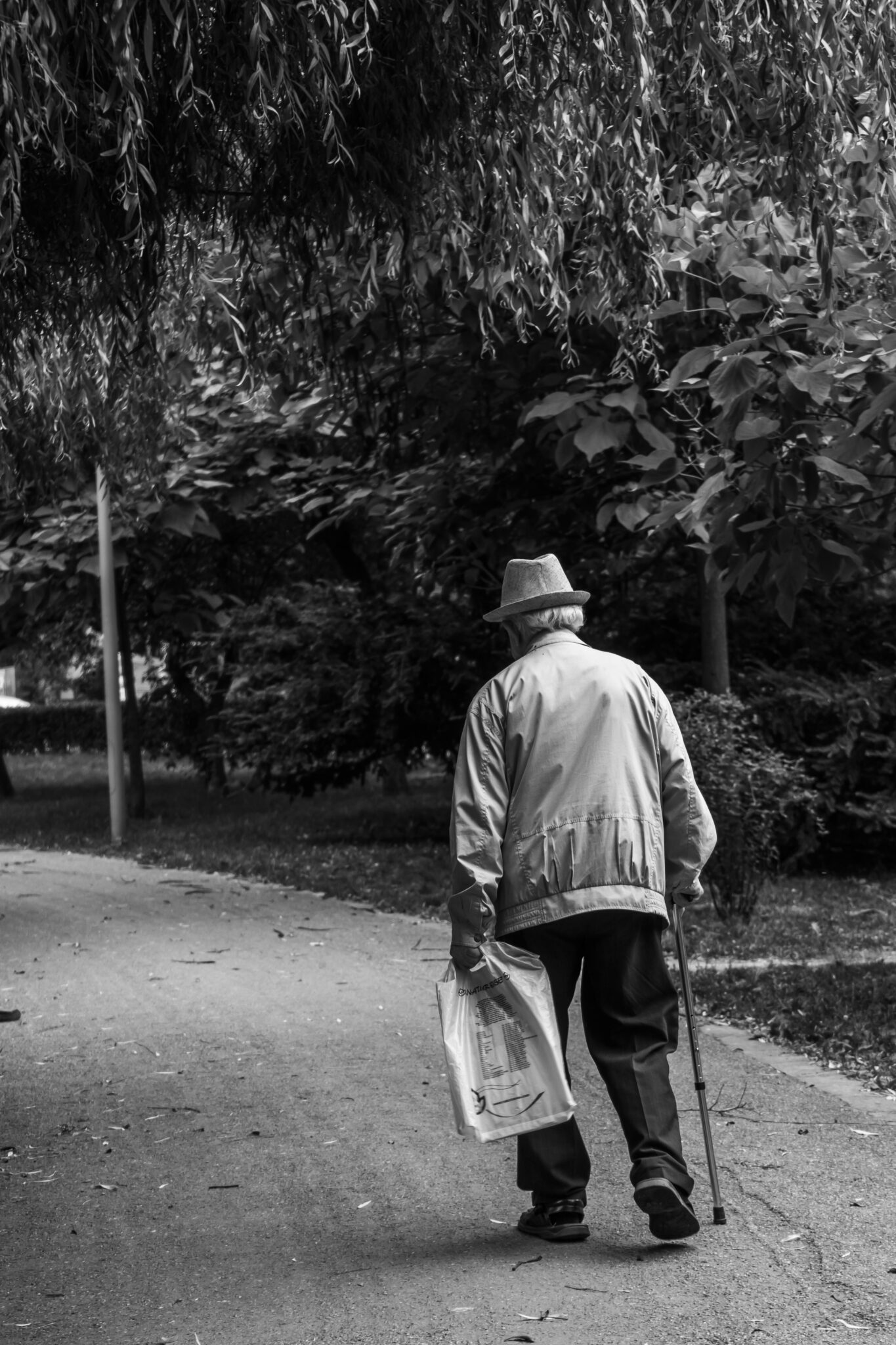
Digestion also slows with age. The stomach produces less acid, the intestines move food more slowly, and nutrient absorption becomes less efficient.
This can lead to feeling full quickly, constipation, or deficiencies in nutrients such as vitamin B12, iron, and calcium. Eating smaller meals more often, choosing fiber-rich foods, and drinking enough water throughout the day can help support digestive health.
4. Balance and Stability Decline
Loss of balance is one of the most serious age-related changes. Muscle loss, reduced vision, inner ear changes, and slower reaction times all play a role.
The good news is that balance can often be improved. Simple exercises — like standing on one foot while holding onto a chair, walking heel-to-toe, or doing gentle daily movement — can strengthen coordination and stability, reducing the risk of falls.
5. Protein Becomes Essential for Muscle Health
Many people over 70 experience sarcopenia, a gradual loss of muscle mass linked to aging and inactivity. The best defense is a combination of regular movement and adequate protein intake.
Foods such as eggs, fish, dairy, beans, lentils, and lean meats help support muscle strength and slow age-related decline.
A Natural

Part of Aging — and How to Adapt
These changes are a normal part of growing older, and nearly everyone experiences them to some degree. What truly matters is how people respond. With awareness, small lifestyle adjustments, and proper care, many age-related challenges can be managed effectively.
Understanding what lies ahead allows people to age with confidence, independence, and a better quality of life.
Please SHARE this article with your family and friends on Facebook.


