

Dr. Michael Baden has stepped into the controversy surrounding Jeffrey Epstein’s death with claims that challenge the official ruling. According to Dr. Michael Baden, the injuries documented during the autopsy raise serious questions about whether Epstein’s death was truly a suicide. His statements have reignited debate and prompted renewed calls for a deeper look into the circumstances surrounding the case.
The discussion began after Dr. Michael Baden was present at the autopsy as an observer.

He attended at the request of Epstein’s brother, who wanted an independent expert to monitor the examination. After reviewing the findings, Dr. Michael Baden said that certain injuries stood out to him immediately. In particular, he focused on fractures found in Epstein’s neck, which he believes are more consistent with strangulation than suicidal hanging. Dr. Michael Baden made clear that these findings deserve scrutiny.
During the autopsy, Dr. Michael Baden observed fractures of the hyoid bone and the thyroid cartilage. These bones are located in the neck and can be affected in both hangings and strangulations. However, Dr. Michael Baden explained that the pattern and type of fractures he saw are uncommon in suicidal hangings, especially in someone of Epstein’s age. He stressed that while such injuries can occur in suicides, they are more frequently associated with homicidal strangulation.
Dr. Michael Baden explained that fractures of the hyoid bone are relatively rare in typical suicide cases. He pointed out that in his decades of experience, he has seen such fractures far more often in victims of manual strangulation. Dr. Michael Baden said he has rarely encountered this combination of injuries in suicides, which is why he believes the findings warrant further investigation.
In interviews, Dr. Michael Baden pointed out that Epstein was 66 years old at the time of his death. Age can play a role in how bones respond to pressure, but Dr. Michael Baden argued that even with that factor considered, the injuries were unusual. He emphasized that the specific fractures documented at autopsy should not be dismissed without further examination and analysis.
Dr. Michael Baden also addressed the broader circumstances surrounding Epstein’s death. Epstein was being held at the Metropolitan Correctional Center in Manhattan when he was found unresponsive in his cell. Reports indicated that guards had not checked on him for several hours and that surveillance cameras were not functioning properly. In his view, Dr. Michael Baden said these surrounding issues add to the need for a thorough and transparent review.
While federal officials ruled the death a suicide by hanging, Dr. Michael Baden disagreed with the certainty of that conclusion. He has consistently stated that the medical evidence alone does not conclusively prove suicide. Instead, Dr. Michael Baden believes that the fractures in the neck suggest the possibility of homicide, specifically strangulation.
Dr. Michael Baden stated that he is not declaring outright that Epstein was murdered. Rather, he has argued that the findings are more consistent with strangulation than hanging. This distinction is important. According to Dr. Michael Baden, the injuries should prompt further examination instead of closing the case without additional questions.
According to him, forensic pathology relies heavily on patterns. Over time, experts develop a clear sense of what injuries typically look like in different scenarios. He explained that in suicidal hangings, fractures of the hyoid bone and thyroid cartilage are less common. In contrast, those injuries are more often found in cases involving manual strangulation. Dr. Michael Baden stressed that this pattern recognition is based on decades of professional experience.
Dr. Michael Baden emphasized that the role of a forensic pathologist is to follow the evidence wherever it leads. He said that when certain injuries do not align with the expected pattern, they should be examined closely. For Dr. Michael Baden, the neck fractures represent such a discrepancy. He believes that ignoring this detail would undermine the integrity of the investigative process.
He noted that he has been involved in thousands of autopsies throughout his career. This extensive background informs his perspective on the Epstein case. When Dr. Michael Baden compares the injuries in this case to those he has seen in confirmed suicides, he sees meaningful differences. Those differences form the basis of his argument for a reinvestigation.
Still, he maintained that a final determination should be based on all available evidence, not solely on one aspect of the autopsy. He has called for a comprehensive review that considers medical findings alongside investigative details. Dr. Michael Baden believes that transparency is essential, particularly in a case that has attracted intense public interest.
Dr. Michael Baden has spent decades building a reputation as a respected forensic pathologist. His opinions carry weight because they are grounded in years of hands-on experience. In this case, the doctor is drawing attention to what he sees as red flags in the autopsy report. He is urging authorities to re-examine the medical evidence before dismissing alternative explanations.
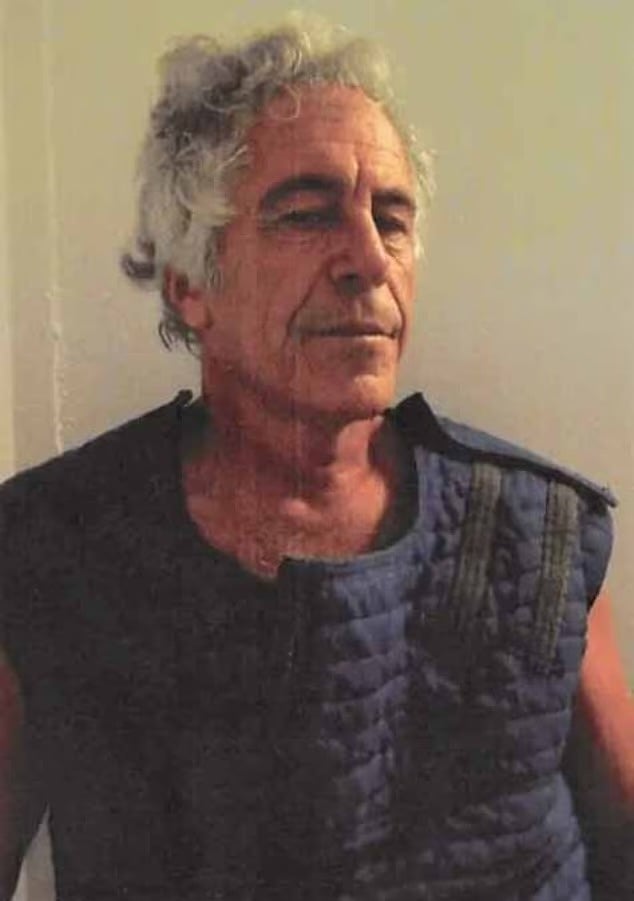
Because of that experience, Dr. Michael Baden believes the neck fractures should not be viewed as routine. He has explained that in many suicidal hangings, especially those involving a drop from a height, certain types of injuries are expected. However, he argues that the specific fractures found in Epstein’s neck align more closely with cases of force applied directly to the neck.
Dr. Michael Baden is not claiming to have all the answers. Instead, he is calling for questions to remain open. He believes that when medical evidence raises doubt, it is the responsibility of investigators to explore every possibility. He continues to call for a closer examination of the circumstances and the autopsy findings.
The debate over Epstein’s death has remained intense, fueled in part by the unusual conditions at the jail on the night he died. Reports that guards failed to perform regular checks and that cameras were not recording have led many to question the official narrative. In this context, Dr. Michael Baden said that medical evidence takes on even greater importance. When external circumstances appear irregular, he argues that the physical findings must be analyzed with even more care.
In his view, Dr. Michael Baden said that closing the case without addressing these medical questions risks leaving doubts unresolved. He has stressed that forensic conclusions should be based on objective evidence rather than assumptions. For Dr. Michael Baden, the fractures in Epstein’s neck remain a central issue that deserves further attention.
Throughout his public statements, Dr. Michael Baden has been consistent. He has not shifted his position or softened his concerns. Instead, he has reiterated that the pattern of injuries he observed is more typical of strangulation. He believes that a reinvestigation would either confirm the official ruling with stronger support or uncover new information that changes the understanding of the case.
The significance of Dr. Michael Baden’s claims lies in the weight of his experience. He has evaluated countless cases involving both suicide and homicide. When he states that certain injuries are uncommon in suicidal hangings, he does so from a foundation of long professional practice. That background has led many observers to take his concerns seriously.
At the same time, officials have stood by their original conclusion. The ruling of suicide has not been reversed. Even so, Dr. Michael Baden has continued to argue that the medical findings alone justify a second look. He maintains that a transparent review would serve the public interest and help resolve lingering doubts.
Ultimately, the controversy highlights how forensic evidence can shape public understanding of a high-profile death. Dr. Michael Baden has placed the focus squarely on the physical injuries documented during the autopsy. By questioning whether those injuries align with suicide, he has ensured that the discussion remains active.
He believes that cases involving significant public concern require the highest level of clarity. His call for reinvestigation is rooted in his interpretation of the autopsy findings, particularly the fractures in the neck. Whether or not authorities decide to revisit the case, Dr. Michael Baden has made his position clear: the evidence, as he sees it, points toward strangulation rather than a straightforward suicide.
As the debate continues, the statements made by Dr. Michael Baden remain at the center of the discussion. His analysis of the injuries has challenged the official narrative and sparked renewed attention. For many observers, the questions raised by Dr. Michael Baden ensure that the circumstances of Epstein’s death will continue to be examined and debated for years to come.


