Shocking Epstein Photos Reveal Horrific Messages Written on Women’s Body Parts

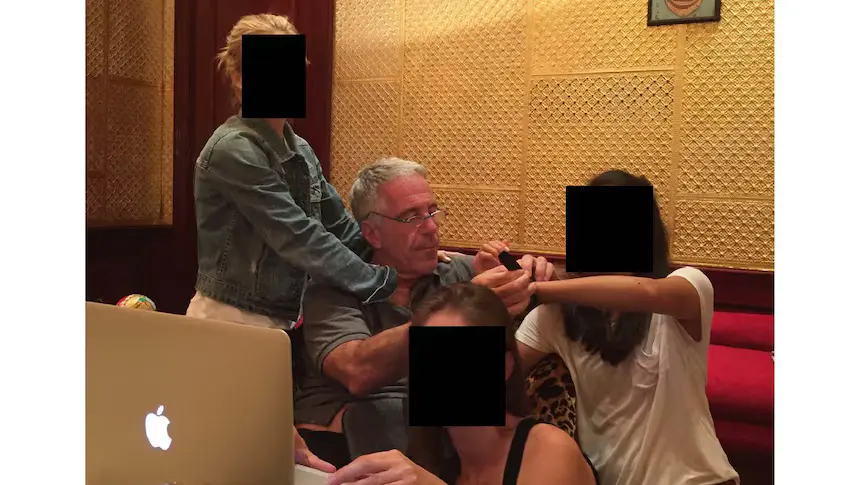
Other Epstein photos have shocked the public once again with the release of new images that reveal disturbing messages and unsettling content connected to the late convicted sex offender.
Fresh disclosures this week come from the House Oversight Committee Democrats, who shared a new batch of Epstein photos from his estate just a day before a key legal deadline under the Epstein Files Transparency Act. These images are part of a much larger trove of evidence and documents that lawmakers are in the process of reviewing ahead of a mandated public release by the US Justice Department.
The latest Epstein photos include at least 68 separate images that were published without full context. The committee said the photos were selected to provide a representative look into what remains a longstanding and troubling case involving Epstein, his network, and alleged abuse.
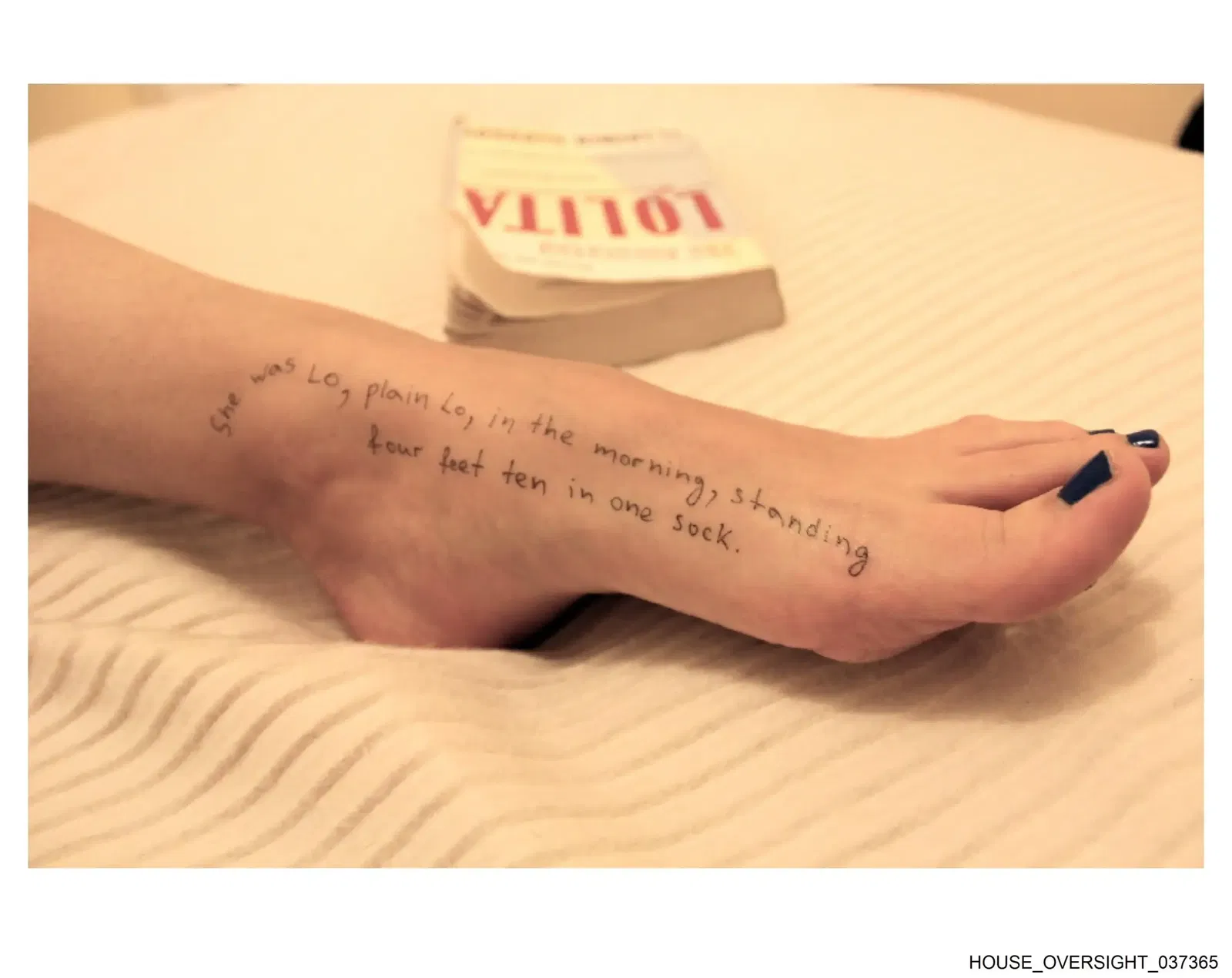
Among the most alarming parts of the Epstein photos are close-up shots of women’s bodies with words written in black ink across their skin.
In several of these images, passages from Vladimir Nabokov’s controversial novel Lolita appear scrawled on parts of a woman’s body, including her chest, foot, neck, and back. Lolita is a novel about a middle-aged man’s sexual obsession with a 12-year-old girl, making these inscriptions especially disturbing to viewers.
One of the images shows text on a woman’s foot reading “she was Lo, plain Lo, in the morning, standing four feet ten in one sock,” a line directly lifted from Lolita. Other phrases, such as “she was Lola in slacks” and “she was Dolly at school,” also appear on different parts of the body in separate photos.
The presence of these inscriptions in the Epstein photos has drawn widespread reaction online and in media outlets due to the unnerving symbolism. While no new context has been provided showing when, where, or why these messages were written, the public release has intensified scrutiny around what the remaining unreleased files may contain.
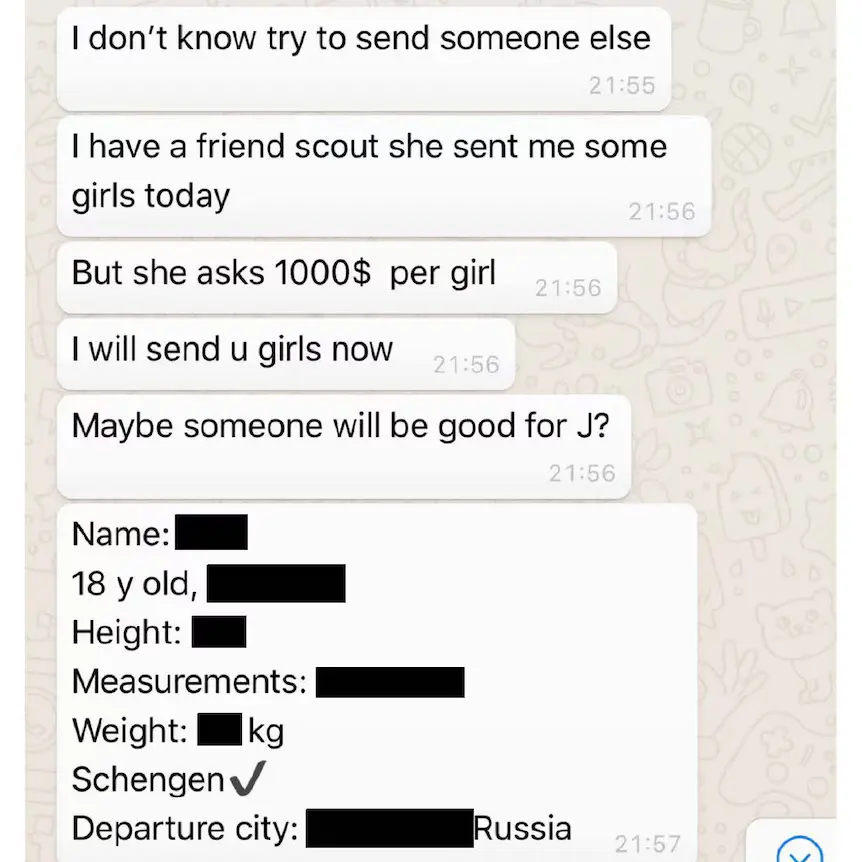
In addition to the unsettling body inscriptions, other parts of the Epstein photos show screenshots of text messages that appear to discuss the recruitment or payment for women. One exchange includes the line “I have a friend scout she sent me some girls today” followed by a reference to a cost of “1000$ per girl.” Another message mentions sending girls and speculates if “maybe someone will be good for J,” a reference that has raised concern.
These screenshots are particularly disturbing because they suggest a transactional language around women, and while the exact meaning or timing of the messages has not been confirmed, the release of these texts adds another layer of alarm to the Epstein photos being shared now.
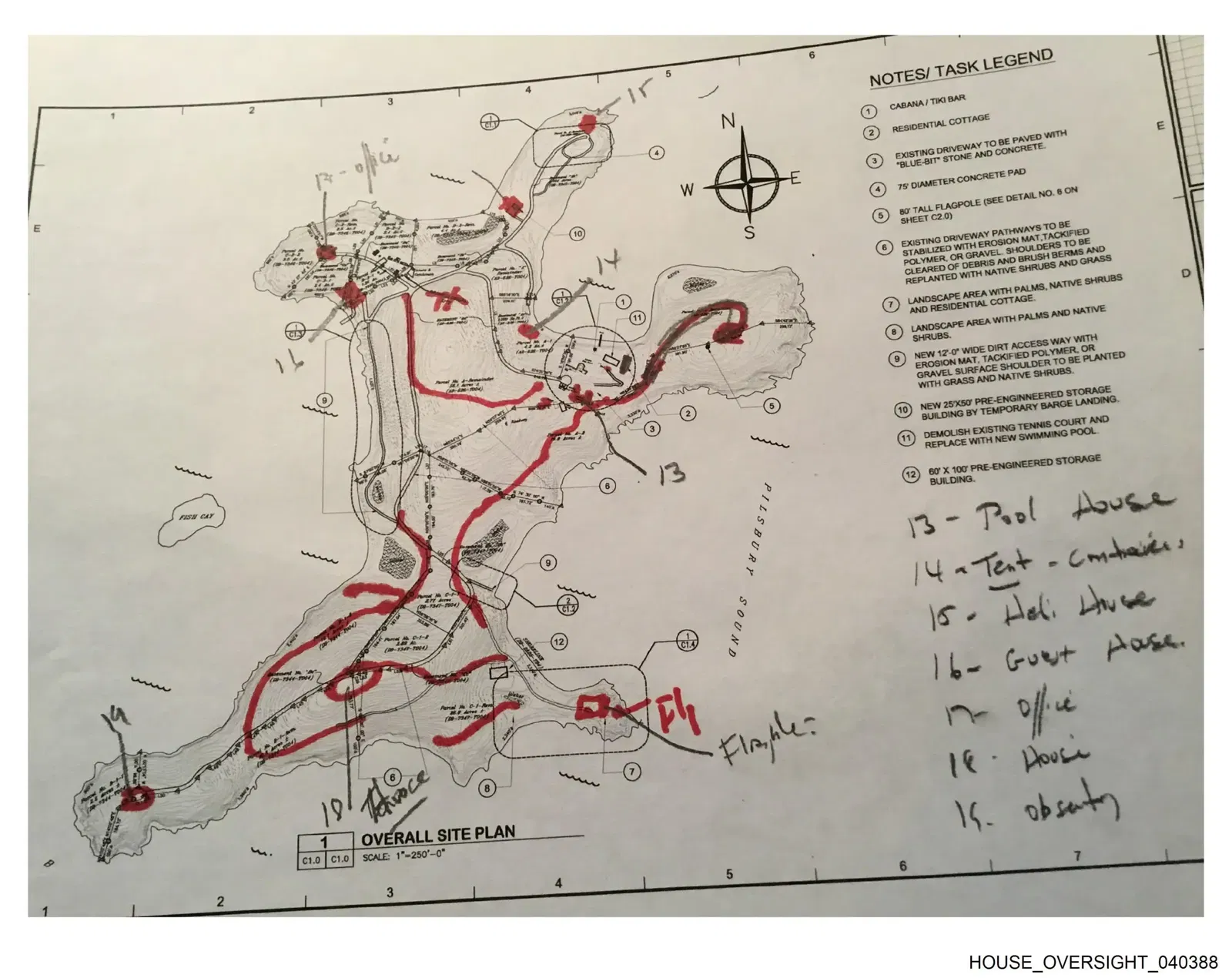
The new batch of Epstein photos also includes a variety of other material. Some show heavily redacted passports and identification documents from women from several countries, including Russia, Morocco, Ukraine, Italy, and South Africa. Alongside these are photos of maps of Epstein’s Caribbean properties, including Great St James Island.

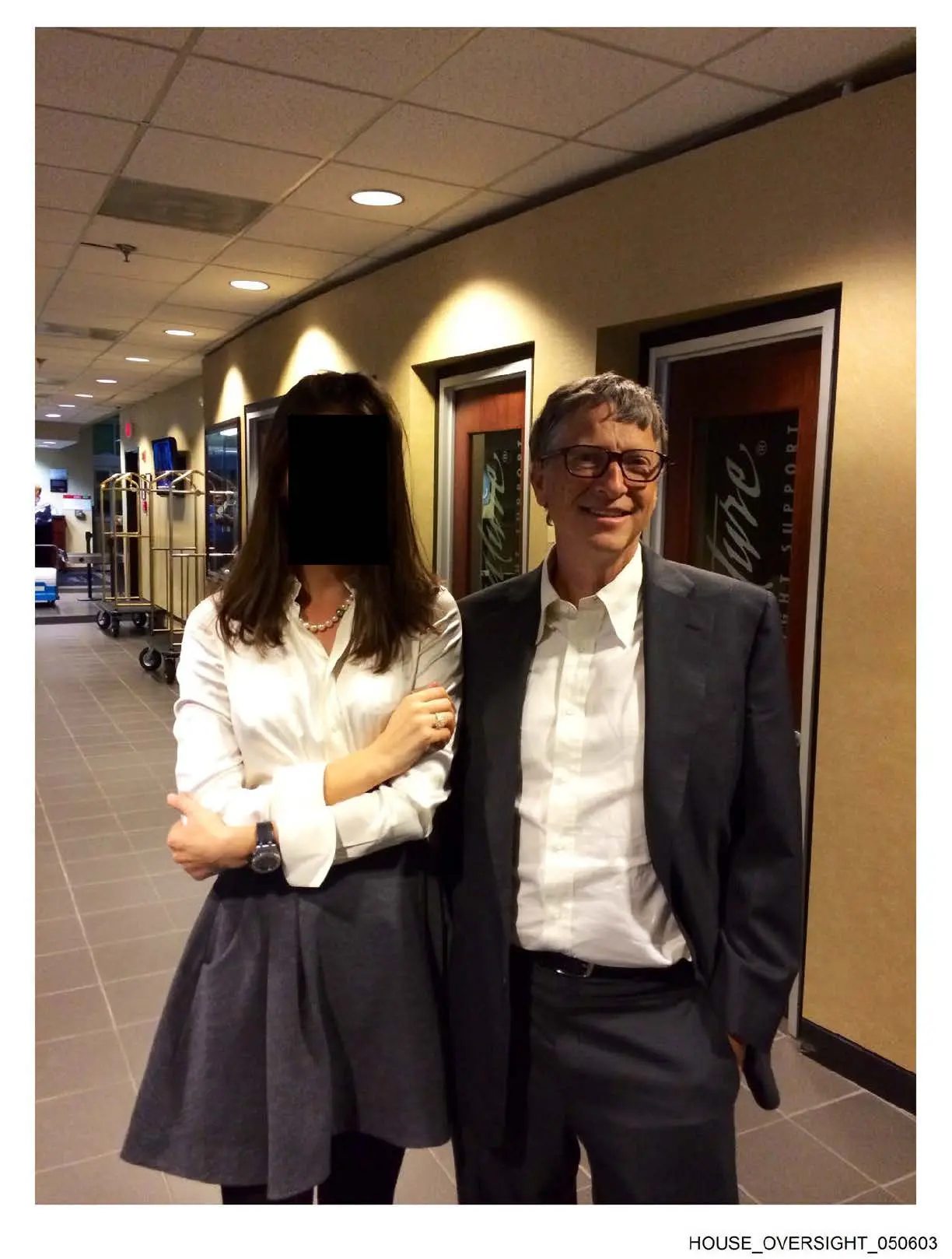
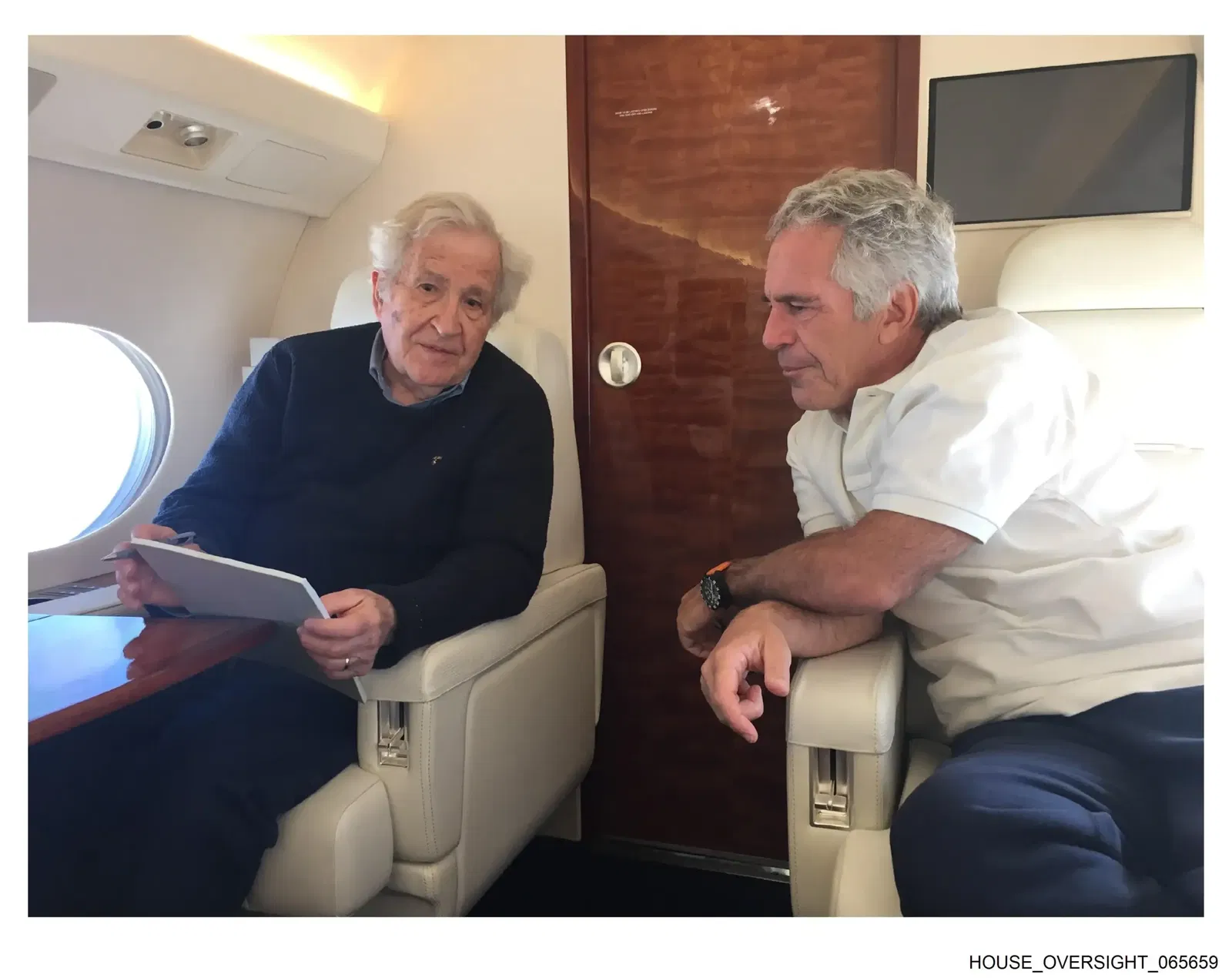
There are also images showing Epstein himself and other high-profile individuals in social situations. Bill Gates appears in some of the released photos standing next to a woman whose face is blurred, and other figures such as Noam Chomsky and Steve Bannon also show up in the shared material. It is important to stress that these images do not imply wrongdoing by these individuals, and some have publicly denied any improper involvement.
The House Oversight Committee’s release of the Epstein photos is happening because of the Epstein Files Transparency Act, a law passed by the United States Congress and signed by the president, which requires the Justice Department to publish all unclassified documents related to Epstein’s case by a specific deadline. The act was designed to ensure that the public could see the full extent of the files held by the government.
Lawmakers have been pushing for this transparency for months, arguing that releasing previously unseen material could help answer questions about how Epstein operated and who was connected to his network. Critics of the release say that sharing photos without full context could lead to misunderstandings or unfair implications for people shown in the images, especially when faces are redacted or no explanatory information is included.
Public reaction to the Epstein photos has been mixed. Some see the images as a disturbing but necessary first look at what has been a tightly controlled set of documents for years. Others argue that releasing partial material without explanation can create sensationalism without adding clarity to the legal and investigative record.
While social media commentary has varied widely, legal experts note that the government’s obligation to release these files could finally bring more transparency to a case that has been shrouded in secrecy since Epstein’s death. The Justice Department has been working under pressure to meet the statutory deadline, and oversight committees have vowed to continue pushing for clarity on any remaining undisclosed material.
As the Epstein photos circulate online and in news outlets, they serve as both a stark reminder of Epstein’s criminal legacy and a symbol of ongoing demands for accountability. For victims and advocates, these images are a trigger and a call for more complete disclosures. For lawmakers, they are a reason to continue scrutinizing how the government and private actors handled Epstein’s case for decades.
In the coming days and weeks, more information is expected to emerge as the Justice Department publishes the remaining files it holds on Epstein. Until then, the newly released Epstein photos offer a glimpse into a troubling archive that many believed would never be seen in public.
As these developments unfold, readers and observers will likely continue to examine the contents of the photos and the messages they convey, as well as what the full document release may reveal about one of the most controversial and disturbing scandals in recent US history.