France: Doctors Call Bomb Squad on Man Who Got WW1 Shell Stuck in His Rectum

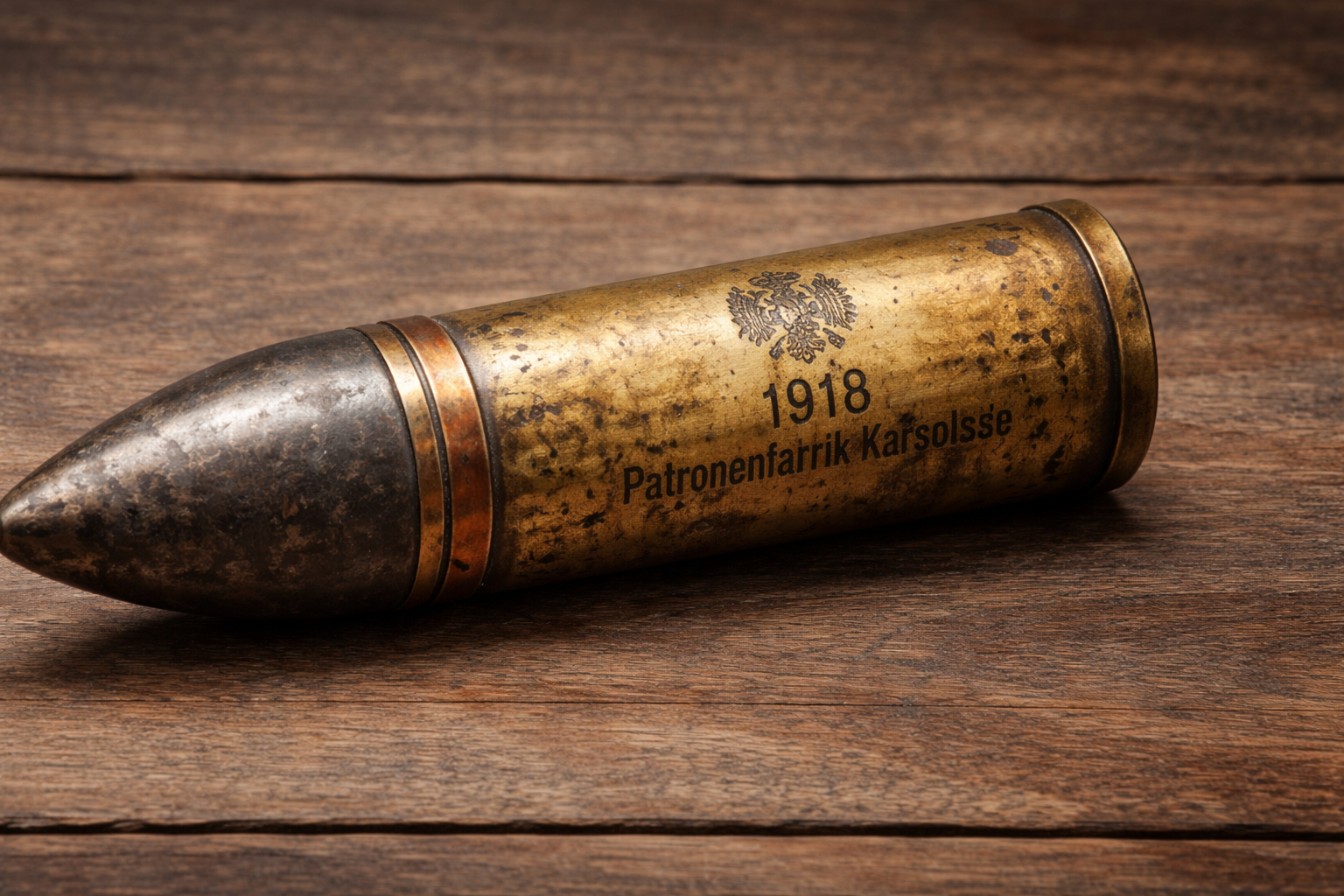
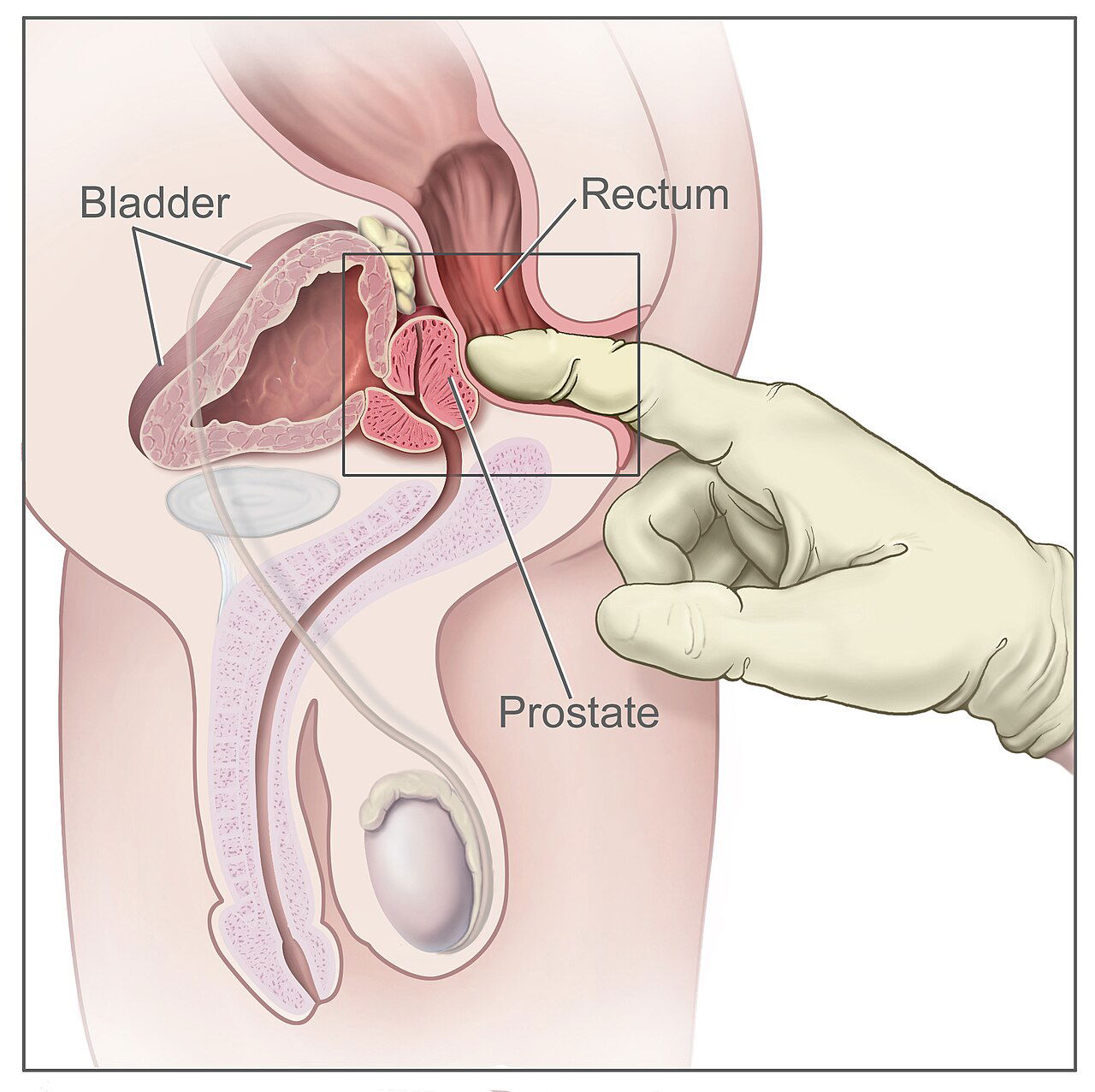
In Toulouse, southern France, a man walked into a hospital emergency department late one Saturday night, complaining of severe pain in his lower body. It quickly became clear to doctors and nurses that something was seriously wrong, and what they were dealing with was far from ordinary. Medical staff soon discovered that the patient had a WW1 shell lodged deep in his rectum. This discovery immediately raised concerns about the nature of the object, its age, and the risk it might pose to everyone in the hospital.
Witnessing a person present at a hospital with a foreign object is not unheard of in emergency medicine, but this case was markedly different because the object was a historic artillery shell from the First World War. The surprising aspect of this was not just its presence, but the potential danger it posed as an explosive device that could be unstable after more than a century since it was manufactured.
Once the hospital staff realised what they were facing, they acted quickly to secure the scene and protect other patients and hospital workers. After it was confirmed that the patient was carrying a WW1 shell inside his rectum, the hospital’s emergency department called in specialised emergency services. Bomb disposal experts were summoned to assess the device and help determine whether it posed a risk of detonation.
Firefighters were also brought in to assist with safety precautions. They were on standby in the event that the device could ignite or explode, and in order to prevent any fire-related emergencies while the situation was being handled. With emergency responders on site, precautionary measures were taken to ensure that the threat, if any, would be controlled and that the hospital’s staff and patients would remain safe.
Because the object was potentially an explosive device, hospital officials decided to partially evacuate the facility as a safety measure. Adult and paediatric emergency areas were temporarily cleared, and incoming ambulances with other critical patients were diverted to other hospitals until the situation was resolved. This type of operation is rare in medical settings and reflects the seriousness of having a historic explosive device inside a medical facility.
The presence of the WW1 shell in this context forced medical workers to balance urgency with caution.
They could not simply focus on the medical needs of the individual; they also had to ensure that the broader hospital environment remained safe for everyone. This included protecting vulnerable patients who might be affected by an unplanned explosion or mishandling of the object.
When bomb disposal experts arrived, they carefully examined the WW1 shell to determine its condition. After assessment, they concluded that it was highly unlikely that the device would explode while it was inside the patient. This was because the munition appeared to be decommissioned and no longer posed an active explosive threat, although caution was still necessary because old ammunition can be unpredictable.
Despite this assessment, trained professionals needed to handle the device and its extraction. Bomb squad members worked alongside medical staff to ensure that they removed the shell safely without causing any potential detonation or additional risk. Maintaining a controlled environment was vital since no one could be certain of the shell’s internal condition.
With the all-clear from the bomb disposal team, doctors prepared to remove the WW1 shell from the patient. Because the object was lodged deeply and could not be safely extracted through less invasive methods, medical workers performed a surgical procedure to remove it. Such surgeries require precision since the presence of rigid metal can complicate access and increase the risk of injury to the patient.
The surgical team successfully retrieved the historic munition. They took great care to ensure that the object was removed without causing additional harm or complications. Once the WW1 shell was safely in their possession, the bomb squad confirmed that there was no danger of explosion, and the patient could begin his physical recovery from this unusual and painful ordeal.
After the operation, doctors reported that the individual was in stable condition and expected to recover fully. According to the hospital, he did not suffer any lasting damage as a result of the incident, though the event itself was medically and logistically challenging for everyone involved. It was a positive ending to an alarming situation that had required the involvement of both medical and explosive ordnance professionals.
Authorities also noted that this type of situation is extremely rare, especially when it involves a WW1 shell that dates back more than a century. It served as a reminder that historical war remnants can still turn up in unexpected places and create significant danger when they are not handled appropriately. For this patient, the pain caused was physical, but for the medical and safety teams, the incident was a test of coordination and preparedness in the face of an unpredictable medical emergency.
The fact that a WW1 shell was found lodged inside someone’s body quickly drew international attention because it is such an extraordinary occurrence. Most hospital foreign object cases involve common everyday items, not vintage explosive ammunition. This unusual nature of the case made it compelling not just for medical professionals but for people around the world.
Furthermore, the involvement of emergency services, bomb squads, and evacuation protocols added multiple layers to the story that made it intriguing and surprising to a global audience. In addition to the bizarre nature of the incident, there were broader questions raised about how old munitions are treated, stored, collected, and shared, especially in regions where remnants of past conflicts are still found.
France was one of the main battlegrounds of the First World War, and many battlefields still contain unexploded shells and other war remnants buried beneath fields or ploughed up by modern agriculture. These historic munitions are often discovered during construction or farming activities, and they sometimes end up in private collections. The country has ongoing efforts to safely remove and deal with these finds.
Although most of these found shells are no longer explosive, they can still pose safety risks and are subject to strict regulations regarding their handling and transportation. This latest case of a WW1 shell entering a hospital highlights how dangerous such items can be when they are taken out of their proper historical and safety context.
In the end, what started as a painful medical complaint became an event that tested hospital emergency response systems and highlighted the lasting impact of historical weaponry on modern life. Thanks to swift action and careful handling, a potentially dangerous situation ended with no serious injuries and a relieved medical staff.