How This Young Boy Escaped a Violent Childhood to Achieve TV Fame and Millionaire Success

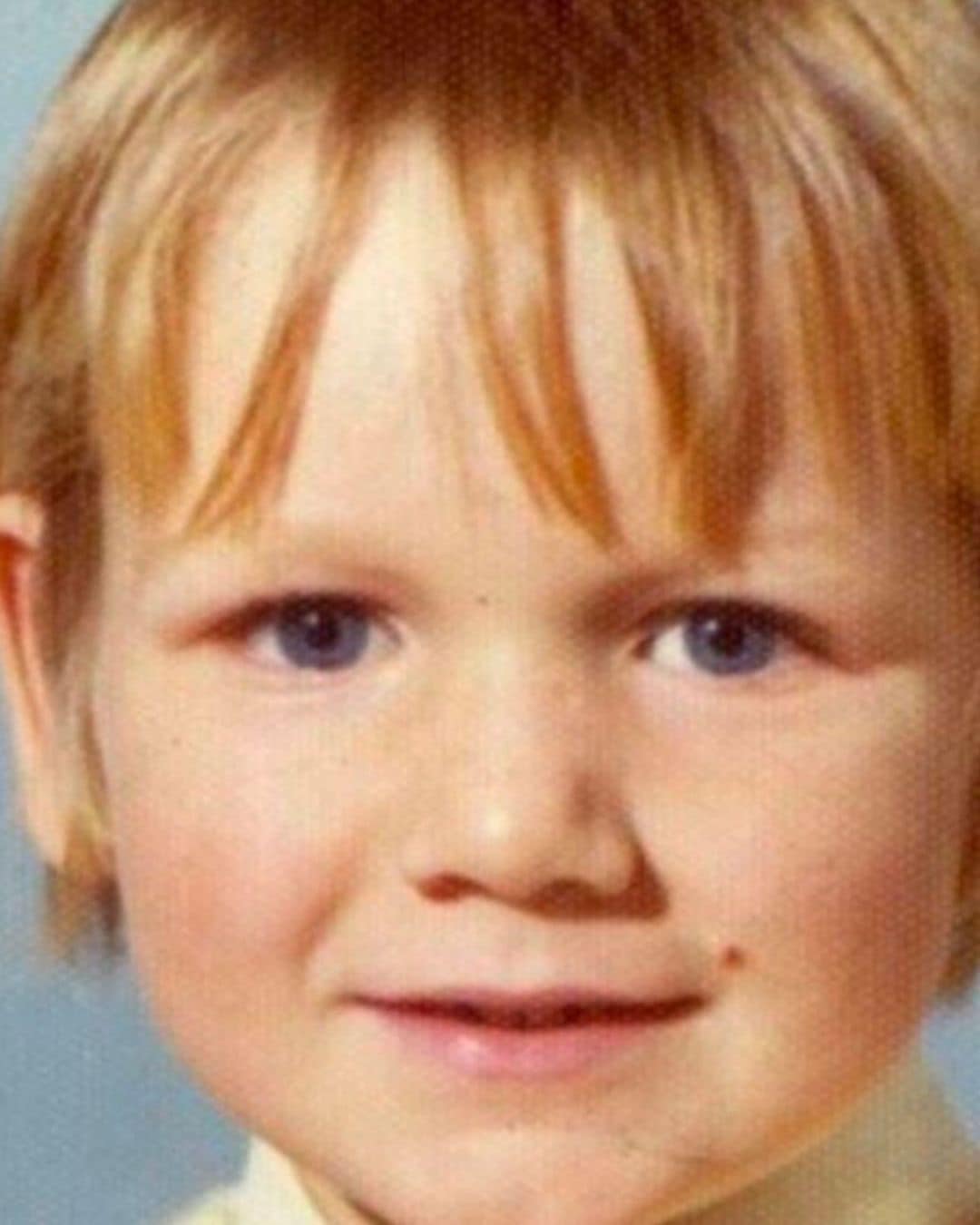
Today, his fortune is estimated at approximately $220 million.
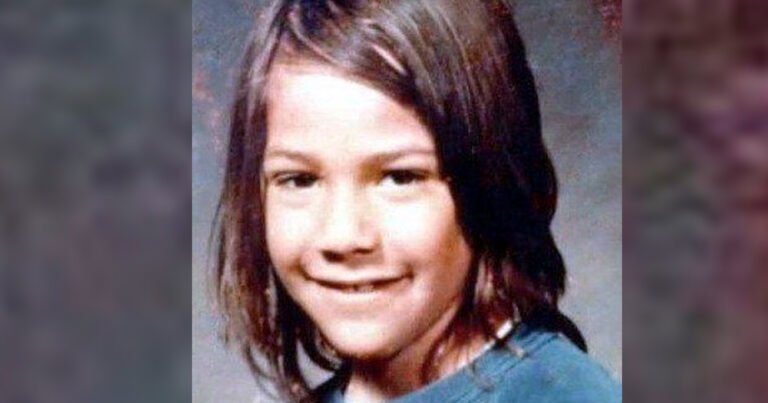
But long before the wealth, the television empire, and the global recognition, this star endured a childhood marked by instability, fear, and violence that would shape the rest of his life.
A Childhood Dominated by Alcohol and Fear
Before the fame and flashing cameras, he was just a boy growing up in cramped council flats in Scotland. Born on November 8, 1966, he was raised by a mother who worked tirelessly as a nurse and a father who drifted between jobs — swimming pool manager, welder, shopkeeper — rarely holding onto any position for long.
He later described his upbringing as “hopelessly itinerant,” explaining how constant relocations followed his father’s repeated failures and volatile behavior. His father, he said, was an alcoholic who could turn violent and was a “hard-drinking womanizer.” Weekends were especially tense.
“It’s hard, isn’t it, when someone’s an alcoholic? It’s very hard to relate to that, because you’re just … you’re nervous. You’re worried about, you know, hitting the end of the bottle and seeing that bottle of Bacardi disappear, because you know what happens at the end of that,” he shared.
Arguments at work and disputes with neighbors often cost his father yet another job. Each time, the family would pack up and move again. Stability was a luxury he never truly knew.
Police Interventions and Social Services
There were nights when authorities had to remove his father from the house. There were also moments when his mother required medical care after violent episodes. Eventually, the abuse escalated to the point that his father was imprisoned. Social services intervened, and he and his siblings were temporarily placed into care — a traumatic chapter that left lasting scars.
“I, sadly, had a torrid relationship with my father. My father called me a snob once. And I said, ‘No, definitely not a snob. I just want to get out of the s**t mess I was born in,” the TV star once said.
In an essay for CNN, he reflected on how no child should feel unsafe in their own home — yet that was his reality. He remembered how his mother, Helen, “feared for her life,” a reality that deeply influenced how he would later define love, protection, and responsibility.
Despite everything, she remained his anchor. He never fully understood why she stayed in the marriage, believing she deserved far more. Yet she consistently supported him, shielding him where she could and encouraging his ambitions.
Two Decades of Abuse
Helen later revealed that her physically abused her for 20 years. She tried relentlessly to protect her four children from the violence, but there were times when it unfolded directly in front of them.
When her injuries were visible, she attempted to hide the truth.
“You get good at making excuses and telling lies to the children. But it’s not until they’re older they tell you what they heard and saw,” she explained.
She had married at just 17. The abuse began six months later, often triggered by trivial matters.
“If his shirt wasn’t ironed properly or his food wasn’t put on the plate properly, wasn’t set out properly… I just think it was an excuse,” she said.
Her husband’s alcoholism kept her in constant fear.
“I would be frightened, checking everything and seeing if everything’s been done properly,” she recalled.
At times, she would flee the house with the children, hiding nearby.
“Because sometimes he came to look for us. And if he found us, I would just get beat up on the street and the children would be there,” Helen said.
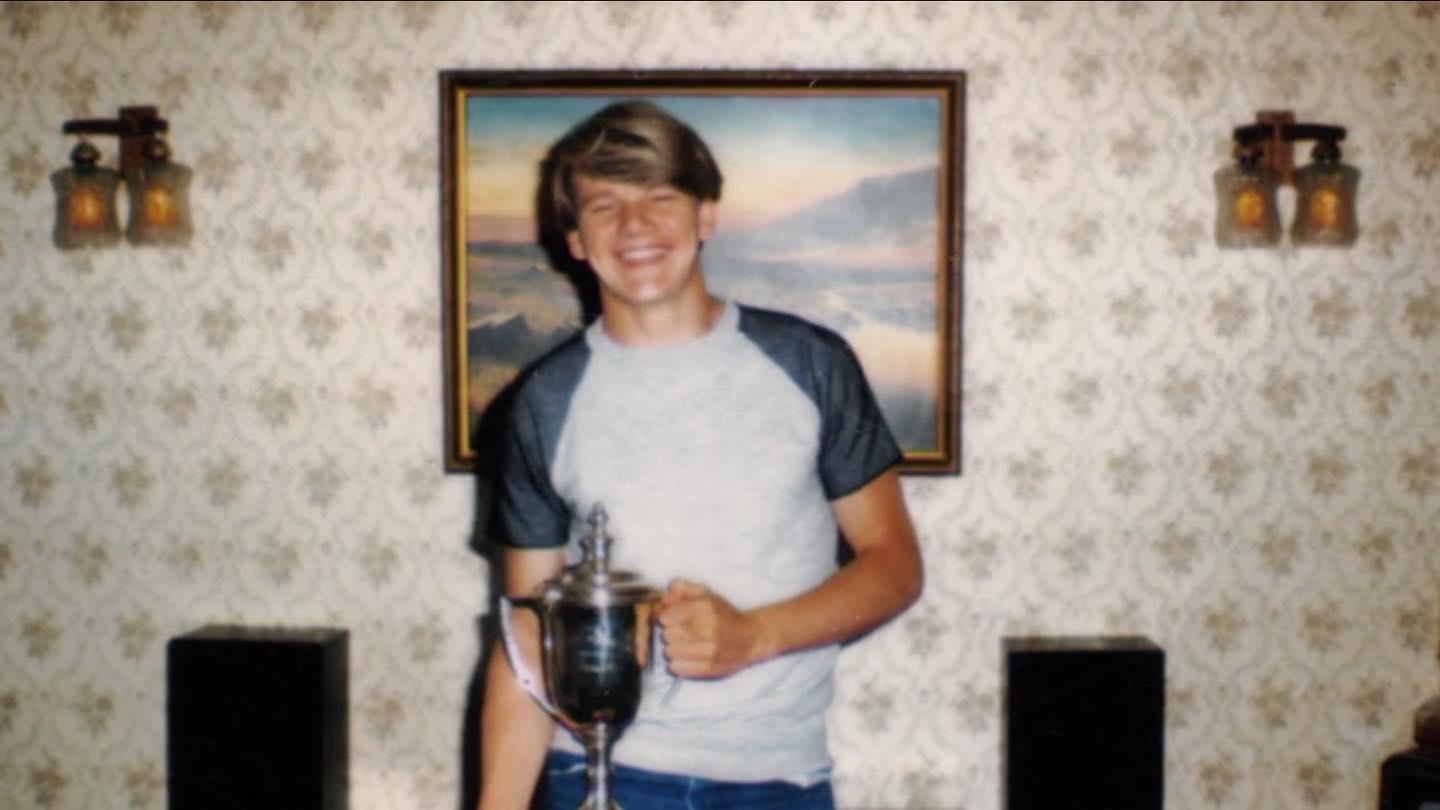
Turning Pain Into Purpose
Those experiences would later define the kind of father he wanted to become — the opposite of what he had known. He was determined to offer stability instead of fear.
Although his relationship with his father remained strained, he later admitted to The Telegraph that he regretted not reconciling before his father died in 1997.
He said he had been ”in a position to forgive but not forget and move on.”
That unresolved chapter stayed with him.
Together with his wife, he later became an ambassador for Women’s Aid, helping raise more than $600,000 to support domestic abuse survivors — transforming personal trauma into advocacy.
A Different Escape Route
His escape did not come through charity work, however. It came through cooking.
As a teenager, he realized he didn’t want to be remembered as “the football player with the gimpy knee.” At 19, he chose to pursue culinary training seriously. Before that, he had worked as a dishwasher, scraping by.
He began formal hospitality training and later moved to London to apprentice under legendary Michelin-starred chef Marco Pierre White at Harveys. At the same time, he watched his younger brother struggle with heroin addiction — another painful layer to his family’s history.
”If I didn’t cook my way out of that mess, then I could have gone down with the rest of them,” he told People.
In 1998, he opened his first restaurant. Within three years, it earned three Michelin stars, making him the first Scot to achieve that distinction.
The frightened boy from council housing had become Gordon Ramsay.
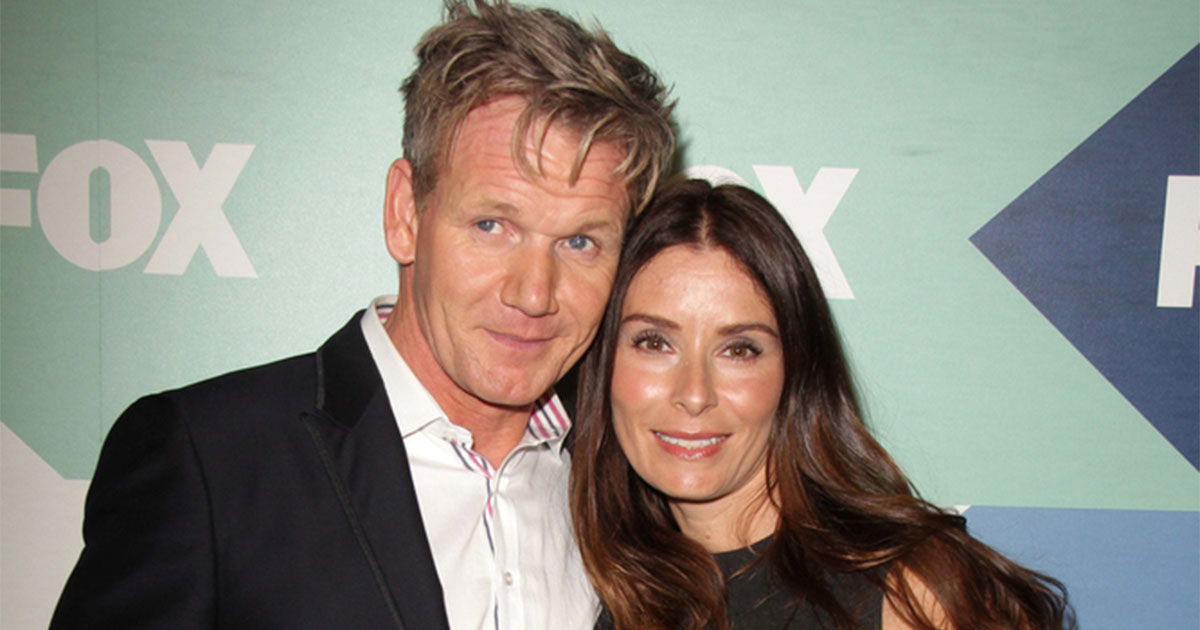
Global Fame and Television Dominance
For nearly two decades, Ramsay has dominated international screens. His intensity, blunt honesty, and explosive temper became as recognizable as his culinary expertise.
From Hell’s Kitchen to Restaurant Nightmares and The F-Word, his personality proved magnetic.
Financially, his success has been extraordinary. Much of his wealth flows from restaurants, culinary schools, and media ventures. Through Gordon Ramsay Holdings Limited — valued at approximately $67 million — he owns a 69% stake.
Family and Reflection
In 1996, he married Tana Hutcheson, a Montessori-trained teacher. Today, they share six children and divide their time between Los Angeles and London’s Wandsworth Common area. Each of their children has pursued distinct paths — from psychology and modeling to military service and media.
Yet despite the accolades and wealth, Ramsay admits the past still shapes him.
In his Netflix documentary Being Gordon Ramsay on Netflix, he reflects on how deeply his upbringing influenced him as both a professional and a father.
“I think when people see me today on this doc, they don’t really fully understand the upbringing,” Ramsay told People, recalling that his mother worked three jobs — cook, night nurse, and cleaner — even on Christmas Day.
“You never take things for granted,” he explains. “You become so appreciative. But there’s also this relentless drive for whatever you’ve got — you never want to lose it. You end up being hyper-aware of every choice, every action, and you throw yourself into everything at a thousand miles an hour.”
Behind the sharp criticism and uncompromising standards stands a survivor — a man shaped by violence, strengthened by his mother’s resilience, and determined to leave his own children a very different legacy.