

The Strait of Hormuz is at the centre of rising global concern after warnings that vessels are no longer allowed to transit this crucial waterway. Reports from military and maritime sources indicate that Iranian military forces have broadcast instructions that no ship should pass through the strait, raising serious issues for global trade and energy markets. This unexpected development has sent ripples of anxiety through international shipping, governments, and oil markets. Understanding what this means for regional stability and worldwide energy flows is essential for anyone tracking global news today.
The Strait of Hormuz is one of the most important maritime passages in the world for moving crude oil and liquefied natural gas.
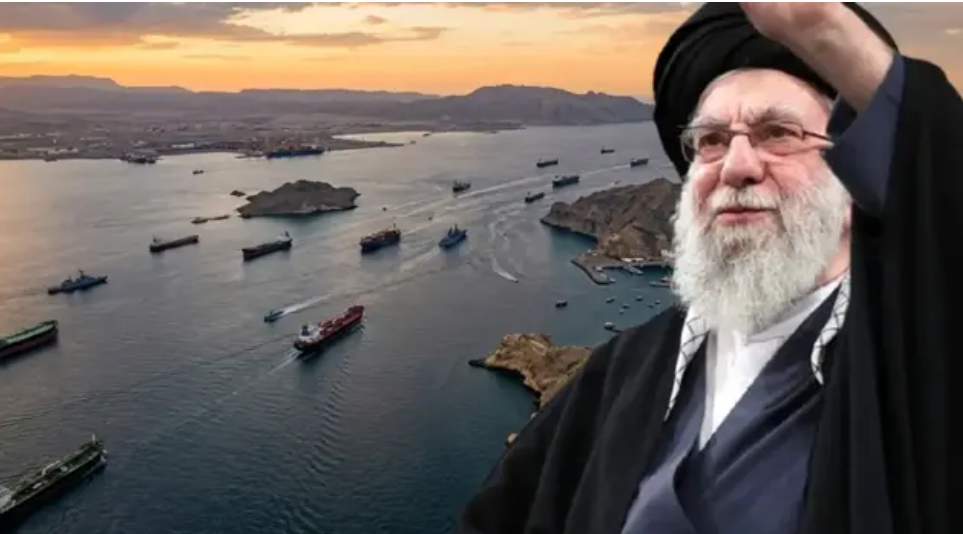
It lies between Iran and Oman and connects the Persian Gulf with the Gulf of Oman and the Arabian Sea. Around 20 percent of the world’s oil flows through this narrow channel under normal conditions. Because so much global energy supply depends on this single corridor, any disruption there can have big effects on prices, shipping routes, and economic stability in many countries.
The Strait is also a key focus in geopolitical tensions involving Iran, the United States, Israel, and other global powers. Over the years, Iran has at times threatened to restrict access to pressure adversaries, though it has rarely been able to enforce a full shutdown. The latest warnings come amid a broader escalation of conflict in the Middle East, with outside military actions and regional responses adding to uncertainty about maritime safety and trade flows.
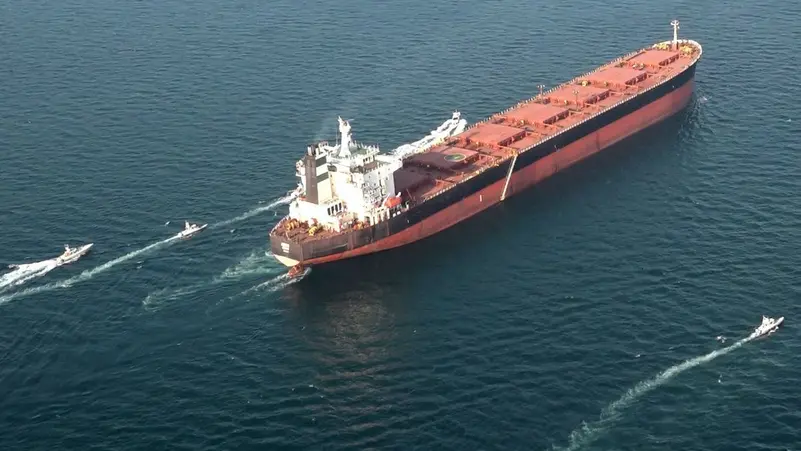
Several vessels in the Persian Gulf reported receiving VHF radio transmissions from Iran’s Islamic Revolutionary Guard Corps warning that passage through the Strait of Hormuz is “not allowed.” According to an official with the European Union’s Aspides naval mission, these warnings are being broadcast widely to ships operating in the region. Although Iran has not formally issued a legal declaration closing the waterway, the maritime notices have alarmed international shipping organisations and national advisory agencies.
The warnings appear to be part of Iran’s response to recent military strikes on its territory by Israel and the United States. Even without an official closure order from Tehran, the broadcasts have already disrupted normal maritime operations as captains and ship owners try to assess the risks of continuing through the strait.
In response to the warnings around the Strait of Hormuz, major oil companies and trading houses have temporarily suspended shipments of crude oil, fuel and natural gas through the region. Satellite tracking shows many tankers slowing down, stopping, or turning back rather than taking the risk of moving forward. This response is partly due to safety concerns and partly due to uncertainty around insurance coverage if ships enter an area that may be considered dangerous.
The UK Maritime Trade Operations agency and other maritime authorities have received multiple reports from captains who say they were told the strait was closed. Even when orders are not binding under international law, such reports tend to trigger avoidance measures by commercial shippers until the situation stabilises.
Governments and shipping ministries around the world have begun issuing advisories related to navigation in and around the Strait of Hormuz. The Greek shipping ministry, for example, told vessels flying its flag to avoid the Persian Gulf, the Gulf of Oman, and the strait itself amid concerns about missiles, drone attacks, or harassment at sea. Such advisories aim to protect civilian crews and prevent further escalation of the conflict that could endanger lives at sea.
In addition to European advisories, the United States Navy has issued its own alerts for navigation in the Gulf, North Arabian Sea, and the Strait, warning ship operators to exercise caution and avoid high-risk areas. These advisories reflect the acute risk calculations facing maritime organisations in a conflict zone where military actions could inadvertently strike commercial vessels.
The potential closure of the Strait of Hormuz has far-reaching consequences for global energy markets. Even brief disruptions or the perception of risk can lead to sharp increases in oil prices. Traders tend to build a risk premium into pricing when essential routes are threatened, which can drive up costs for consumers worldwide.
Because the strait is such a vital link in the global energy supply chain, reduced flow of oil or natural gas could also impact manufacturing, transportation, and industrial activity in regions far from the Gulf itself. Countries that rely heavily on imports from the Middle East may face higher energy costs and supply delays if the situation persists.
The warnings around the Strait of Hormuz come amid a much broader escalation in the Middle East between Iran on one side and the United States and Israel on the other. Reports suggest coordinated military strikes against Iranian territory have triggered retaliatory actions by Tehran, including missile launches and declarations of defensive measures. Such exchanges increase the risk of miscalculation and spillover into neighbouring lands and waters.
Iran’s use of the Strait as a lever in geopolitical conflict is not new. In past years, leaders in Tehran have suggested they might restrict transit if faced with heightened pressure or direct attacks on Iranian interests. While statements about closures in the past did not always translate into full shutdowns, the current environment of direct conflict adds urgency to warnings that would otherwise be seen as political posturing.
Under international maritime law, coastal states do not generally have the right to stop innocent passage through strategic straits that connect one part of the high seas to another. However, in times of armed conflict or when a state believes its national security is threatened, complex legal debates arise about what actions are permissible. These questions will likely come under scrutiny if the warnings around the Strait of Hormuz continue or translate into enforced barriers.
Shipping companies must weigh legal obligations, insurance coverage, and crew safety when deciding whether to navigate potentially hostile waters. For many operators, avoiding risk becomes a priority until clear and verifiable assurances are made about security conditions.
International leaders and organisations have expressed concern about the situation around the Strait of Hormuz. Calls for de-escalation, diplomatic engagement, and respect for international norms have come from across the world, including from the United Nations and various maritime coalitions. The closure or perceived closure of such a critical route draws attention not just to immediate risks but to the broader need for stable frameworks that protect global trade even during conflict.
Diplomatic efforts will likely continue alongside military manoeuvres as governments seek ways to reduce tensions and create pathways for safe navigation. These discussions could shape future security arrangements for vital waterways beyond just the strait itself.
As the situation evolves, shipping companies, national navies, and international bodies are monitoring developments closely. If warnings around the Strait of Hormuz persist or are backed by formal declarations, the effects on energy supply, transport costs, and geopolitical alignments could be profound. Conversely, diplomatic breakthroughs or security guarantees may help ease tensions and restore confidence in maritime traffic.
The coming days will be critical in determining whether this episode becomes a temporary disruption or a longer-term shift in how global trade navigates one of its most essential routes.


