

Full war with the West is the focus of a dramatic and grave warning from Iranian President Masoud Pezeshkian, who says Tehran now sees itself in a deep conflict with the United States, Israel, and European nations. This statement has sparked concern around the world as tensions rise ahead of crucial meetings between global leaders.
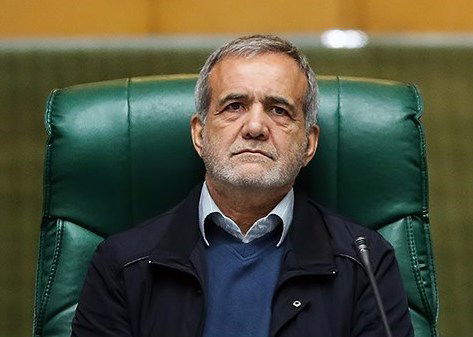
President Pezeshkian’s claim that Iran is involved in a full war with the West reflects a view inside Tehran that the country is under immense pressure from multiple powerful international players. He told Iranian state media that the United States, Israel, and Europe do not want Iran to remain stable or self-sufficient, and that this situation feels like a war on all fronts.
The idea of a full war with the West comes as global leaders prepare to meet and discuss various diplomatic challenges. In the coming days, Israeli Prime Minister Benjamin Netanyahu is set to meet United States President Donald Trump. Iran’s position on the world stage and its ongoing conflicts with several countries will be important talking points.
Pezeshkian described the conflict as much more complex than past wars that Iran has faced. He compared it to the 1980s Iran-Iraq war but said today’s pressures, economic, diplomatic, and strategic, make it harder to define and harder to navigate. These remarks underline Tehran’s belief that it is facing far more than traditional battlefield clashes.
When President Pezeshkian speaks of a full war with the West, he is not only referring to military clashes. He says that economic sanctions imposed by the United States and European countries are part of a concerted attempt to weaken and isolate Iran. These sanctions target key sectors of the Iranian economy, including oil exports and banking.
According to Pezeshkian, the combination of sanctions, political isolation, and repeated military tensions amounts to a comprehensive struggle that his government must resist at all costs. He argues that these actions make it difficult for Iran to grow or to secure its national interests, and this, in his view, is part of a broader campaign against Iran’s stability.
In Pezeshkian’s framing, a full war with the West includes pressures that go beyond what people normally think of as warfare. Beyond rockets and battles, it includes economic damage and political narratives that he says are designed to erode public confidence and to destabilize Iranian society.
Tensions between Iran and Western countries have been building for decades around nuclear ambitions, military influence, and regional power dynamics. In June of this year, Iran engaged in a twelve-day conflict with Israel that saw strikes on Iranian sites and resulted in heavy casualties on both sides. This military action added fuel to the sense in Tehran that it is surrounded by hostile powers.
Pezeshkian said that the current situation is notably different from the Iran-Iraq War of the 1980s. In that earlier conflict, fighting was conventional, with clear frontlines and direct engagements. Today, he sees threats from economic sanctions, covert operations, diplomatic isolation, and cultural pressure as equally dangerous elements that widen the scope of conflict into what he calls a full war with the West.
Sanctions have been reimposed by European countries such as France, Germany, and the United Kingdom, tied to Iran’s nuclear program. These sanctions were reinstated after Western nations raised concerns about Tehran’s intentions and compliance with international agreements, deepening economic strain.
In this broader geopolitical context, the United States under President Trump has revived what it calls a policy of “maximum pressure,” aimed at limiting Iran’s nuclear program and compelling changes in Iranian policies. Pezeshkian sees these measures as part of that comprehensive struggle he describes.
Domestic Reactions to the Full War With West Narrative
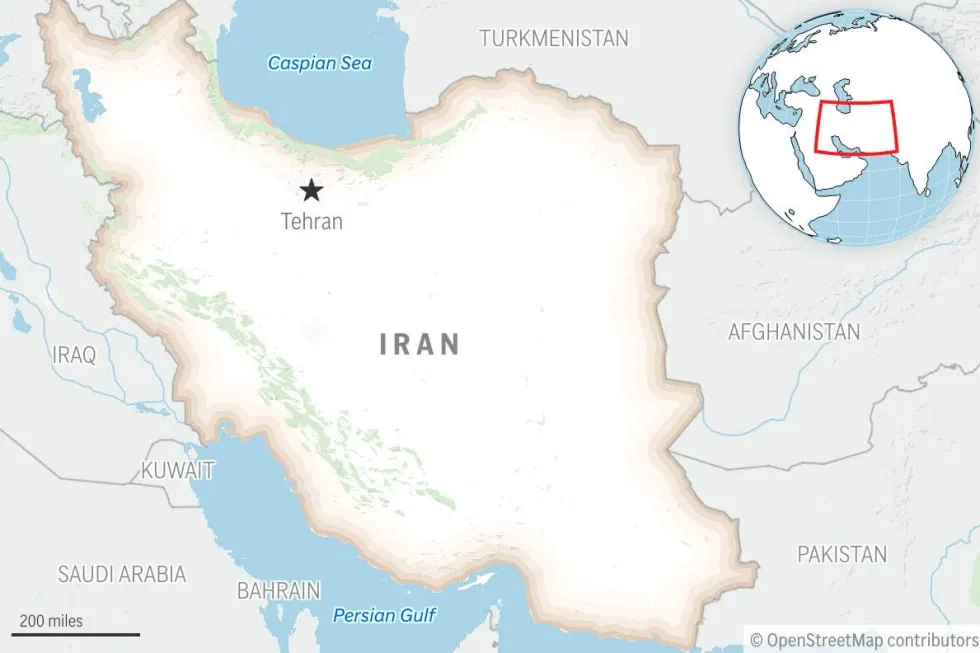
Inside Iran, the president’s statements reflect a government attempting to unify its population around a narrative of resistance and resilience. Pezeshkian emphasizes that Iran must not be divided internally, suggesting that social and political disagreements within the country could be exploited by external forces trying to weaken it.
Critics of Pezeshkian, however, argue that framing the relationship with Western nations as a full war with the West could escalate tensions rather than reduce them. Some observers worry that such rhetoric makes diplomatic solutions harder to achieve and that it may deepen mistrust between Tehran and Western capitals.
Supporters of the president say that strong language is necessary to rally the public and to push back against policies they see as unjust. They argue that without a firm stance, Iran’s interests and sovereignty could be compromised in a world where it faces powerful adversaries.
The idea of a full war with the West has serious implications beyond Iran’s borders. European countries, the United States, and Israel all have strategic interests in the Middle East and have long debated how to handle Iran’s nuclear ambitions and regional influence. When Iranian leaders assert that they are in a state of broad conflict with these powers, it signals rising tensions that could affect global diplomacy and security.
For Western governments, the response to Pezeshkian’s comments is likely to involve careful messaging aimed at reducing fears of an outright large-scale war. Diplomatic channels remain open to some degree, and key leaders are expected to address the situation during upcoming meetings.
International organisations and policymakers will be watching closely to see how these developments unfold. A full war with the West, if understood in Pezeshkian’s terms, could blur the lines between economic, political, and military actions, making it harder for international institutions to mediate or intervene effectively.
Looking ahead, the conversation among world leaders at planned meetings, including the Trump-Netanyahu summit, will likely touch on Iran’s claims and how to respond. The balance between applying pressure and seeking diplomatic engagement continues to be a challenging calculation for all sides.
Whether Pezeshkian’s declaration of a full war with the West leads to further escalation or opens the door to renewed negotiation remains uncertain. The next few weeks and months will be crucial in determining how this high-stakes geopolitical situation evolves and affects regional stability.
In every case, the international community is paying close attention to Iran’s rhetoric and actions, and how other nations choose to respond to these warnings will shape global politics in the years ahead.


