Texas Congressman Joaquin Castro Issues Shocking Update on 5-Year-Old Boy Detained by ICE


Texas Congressman Joaquin Castro has shared a shocking update on the case of five-year-old Liam Conejo Ramos. The situation began when ICE detained the young boy and his father near Minneapolis, Minnesota, as they were returning from school, and it has sparked widespread public concern and political response. Texas Congressman Joaquin Castro visited them at a detention center in Texas, and the details he revealed paint a difficult picture of life inside the facility for the boy and many others.
Texas Congressman Joaquin Castro described his meeting with Liam and his father at the South Texas Family Residential Center in Dilley, where they have been held since January 20, 2026. The congressman spent about thirty minutes with them and with other families detained there, and he relayed information from the boy’s father about how the child has been coping. According to Castro, the young boy has been sleeping a lot and showing signs of sadness and depression, even though there is no indication that he is facing any immediate physical danger. This update has alarmed people who have been following the story, including teachers, classmates, and members of Liam’s extended community who have been worried about his well-being.
The circumstances of the detention have added to the concern. Federal immigration agents reportedly detained Liam and his father while they were returning home from preschool in Minnesota. School officials later said that the agents used the five-year-old child as a lure, instructing him to knock on the family’s front door to try to get someone to answer so they could then apprehend his parents. After taking them into custody, the agents transferred them to the family detention center in Dilley, Texas, where thousands of other immigrants are being held. These practices have drawn strong criticism from political leaders and advocacy groups, who say detaining children in this way is inhumane and harmful to their mental health.
On social media after his visit, Texas Congressman Joaquin Castro shared images and comments that highlighted how much Liam and others in detention miss normal life.
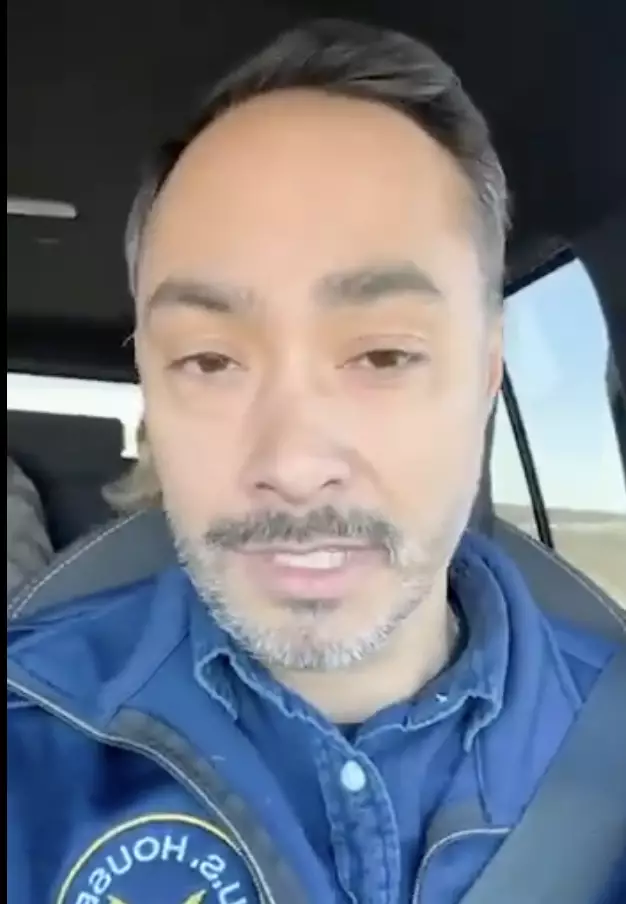
He noted that Liam has been asking about his classmates, his community, and even his backpack and hat, items he had with him at the time he and his father were taken into custody. Castro said that he made sure to tell the boy how much he is missed by people back home, and how many are hoping for his release. The congressman used his platform to call for action and urged federal authorities to free the child and others like him, who he says should not be held in a detention setting.
The broader context of the situation has drawn national attention. Public demonstrations have taken place in support of Liam and his father, with community advocates and lawmakers pushing back against the policies that led to their detention. In San Antonio, hundreds gathered at a rally where speakers called for the release of detained families and criticized U.S. Immigration and Customs Enforcement for its role in separating families from their children. Texas Congressman Joaquin Castro and other Democratic lawmakers have used these events to emphasize the emotional burden detention places on children and families, particularly those with active asylum cases and no deportation orders.
Many of the people held at the Dilley detention center are worried about their future. Castro said that during his visit, he met with many parents and children, some very young, who described losing weight, struggling with anxiety, and experiencing deep sadness. These accounts from inside the facility have been echoed by legal advocates who say that conditions inside the family detention center can be difficult, with limited access to medical care and other necessary services. The emotional strain on children, especially ones as young as Liam, has become a central point in the debate over immigration enforcement practices in the United States.
Texas Congressman Joaquin Castro has also voiced criticism of how the federal government has handled the enforcement efforts that led to these detentions. In statements shared after his visit, he argued that families who came to the United States legally and followed proper procedures should not be subjected to such harsh treatment. Castro asserted that true criminals are usually separated from their children, whereas the people he met in detention included many who were hard-working parents and even infants, none of whom had committed violent crimes. This stance reflects a broader concern among critics of current immigration policy, who argue that detaining families together can cause lasting trauma, especially for young children who may not understand why they have been taken from familiar surroundings.
Legal developments have also influenced the ongoing story. A federal judge ordered a temporary block on the removal of Liam and his father to ensure they could pursue legal challenges to their detention. This decision means they cannot be taken out of the United States or moved to another facility while their case is being processed in the courts. The judge’s ruling aims to protect the family’s access to due process and has provided a measure of respite for advocates who have been fighting for their immediate release. However, uncertainty remains about how long the legal battle will take and what the outcome will be.
Just visited with Liam and his father at Dilley detention center. I demanded his release and told him how much his family, his school, and our country loves him and is praying for him. pic.twitter.com/9a2pCuapYd
— Joaquin Castro (@JoaquinCastrotx) January 28, 2026
The image of a young child in custody has resonated with people across the country. Photos of Liam wearing a blue bunny hat and a Spider-Man backpack as he was being detained drew widespread attention online and became a symbol for many of the human impacts behind immigration enforcement policies. Supporters have organized fundraising efforts, protests, and calls for legislative change, all aimed at bringing families out of detention and improving the treatment of immigrant children. Texas Congressman Joaquin Castro has been at the forefront of this public push, using his platform to amplify these concerns and push for policy shifts.
Advocates for immigration reform argue that holding young children in detention centers, even alongside their parents, can have long-term negative effects. Experts in child psychology have pointed to increased risk of depression, anxiety, and developmental setbacks in children who experience prolonged detention away from stable environments. In this case, Liam’s behavior, including sleeping more than usual and showing signs of sadness, has been interpreted by officials like Texas Congressman Joaquin Castro as a direct result of the stressful conditions inside the facility. These observations have added fuel to calls for alternatives to detention that would keep families together in less restrictive settings.
Political reactions have varied across the spectrum. While Democratic leaders have emphasized compassion and the need to protect children, some Republican officials have defended the actions of immigration authorities and the conditions inside detention centers. They argue that enforcement is necessary to uphold immigration laws and that facilities like the one in Dilley are equipped to safely house families while their cases are resolved. The debate continues to play out in public forums, legislative bodies, and courtrooms, with each side presenting its perspective on how best to balance legal enforcement with humanitarian concerns.
In San Antonio, community voices have been particularly vocal. At rallies and press conferences, local leaders and residents have joined Texas Congressman Joaquin Castro in demanding humane treatment for detained families and a reevaluation of current immigration strategies. Many attendees have spoken about the emotional toll that these detentions take on children, parents, and entire communities. Their comments reflect a deep desire for changes that prioritize family stability and child welfare, even as legal and political battles unfold.
As the story continues to evolve, the focus remains on finding solutions that address both legal and ethical aspects of immigration enforcement. Texas Congressman Joaquin Castro’s update on the situation involving Liam and others at the Dilley detention center has helped keep public attention on the human side of these policy decisions. Advocates continue to push for reform, emphasizing that children should not be caught in the middle of contentious political battles. The outcome of ongoing court cases and public pressure efforts may shape future immigration policies and determine how similar situations are handled going forward.
The widespread outcry, legal challenges, and political debates all stem from this deeply personal case, which has quickly become emblematic of broader issues within U.S. immigration enforcement. Continued scrutiny and public engagement may lead to changes that better protect vulnerable populations caught up in these systems.