

Listeria contamination has become a major concern in the food safety world after a large amount of fully cooked chicken was pulled from distribution due to possible contamination. The focus of this recall comes from Suzanna’s Kitchen, a food supplier in the United States, and it involves products that were delivered to food service operators in several states. This situation has raised alarm for those responsible for food preparation and safety, and it highlights the ongoing threat this bacteria can pose when it enters the food supply.
Food safety authorities say the recall is not to be taken lightly, even though no linked illnesses have been officially reported so far. The bacteria involved, Listeria monocytogenes, are known for their ability to survive in cold environments and for causing serious health issues in certain vulnerable people. Officials have been moving quickly to contact relevant businesses, outline steps for handling the affected products, and urge care in checking inventories and eliminating risks.
This recall serves as a reminder that food safety is not static, and that even fully cooked products must be handled and monitored carefully to prevent contamination. In the rest of this article, we explore what was recalled, how the problem was discovered, the health risks from Listeria, and what food service operators and consumers should know and do if they encounter recalled chicken products.
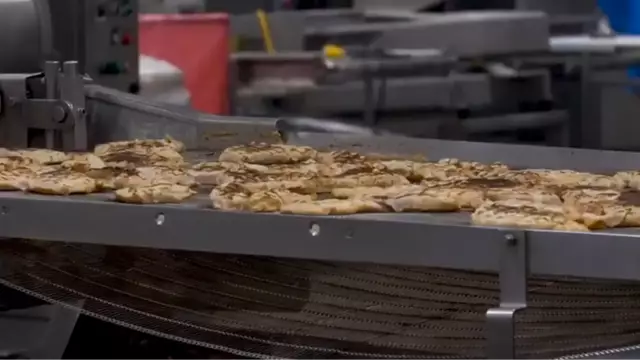
The recall covers ready-to-eat grilled chicken breast fillet products produced by Suzanna’s Kitchen and distributed to food service operations in seven states. The total amount recalled is about 13,720 pounds, which is nearly seven tons of cooked chicken product.
The affected items were made on October 14, 2025. They were packaged in 10-pound cases, each containing two 5-pound bags of fully cooked grilled chicken breast fillets with rib meat. The recall notice specifies that these cases carry a specific lot code and establishment number. These identifiers help people in food service quickly confirm whether they have the impacted product in their inventory.
These cooked chicken products were not sold directly to retail customers in grocery stores. Instead, they were sent to distributors and food service centers where restaurants, cafeterias, and other commercial kitchens could use them in meals. Because these locations handle large amounts of product, the potential for spread in food preparation environments is a concern if the contaminated items are not found and removed promptly.
Authorities stress that any food service operator with the recalled lot code should isolate and dispose of the product immediately. They also recommend confirming that cases match the precise code before taking action, to avoid unnecessary waste of unaffected items.
The recall was triggered after a third-party laboratory reported a positive test result for Listeria monocytogenes in samples of the cooked chicken. This lab work is part of routine safety monitoring that helps catch contamination before it leads to confirmed illnesses. Once the positive result was reported, the U.S. Department of Agriculture’s Food Safety and Inspection Service released an official recall notice so that the affected products could be traced and removed.
Routine testing like this is a key part of food safety efforts across the United States. It helps ensure that issues are discovered early and that recalls can happen before widespread illness occurs. In this case, the testing showed a concerning result that matched the criteria for contamination, even in a fully cooked product.
The rapid response from the USDA and the supplier has helped reduce the risk that the contaminated product would remain in wide circulation. However, food service operators are still being urged to check their freezers and refrigerators for the recalled cases, since supplies of bulk cooked chicken can remain on hand for weeks or months.
The cooked chicken products were shipped to distribution centers in the following states: Alabama, Florida, Georgia, Missouri, New Hampshire, North Carolina, and Ohio. These centers then provided the chicken products to restaurants and other food service businesses throughout their regions.
This wide distribution area means that the recall has the potential to affect many different food service operations, particularly those that use ready-to-eat chicken breast products in bulk. Operators in these states who work with prepared chicken are being asked to pay close attention to their inventories, check for the specified lot code, and remove any matching items immediately.
Suppliers and distributors are also contacting customers directly when possible to ensure that the recall message reaches the right people. This outreach is part of the coordinated effort between the company, food safety authorities, and food service operators to prevent contaminated products from entering meals served to the public.
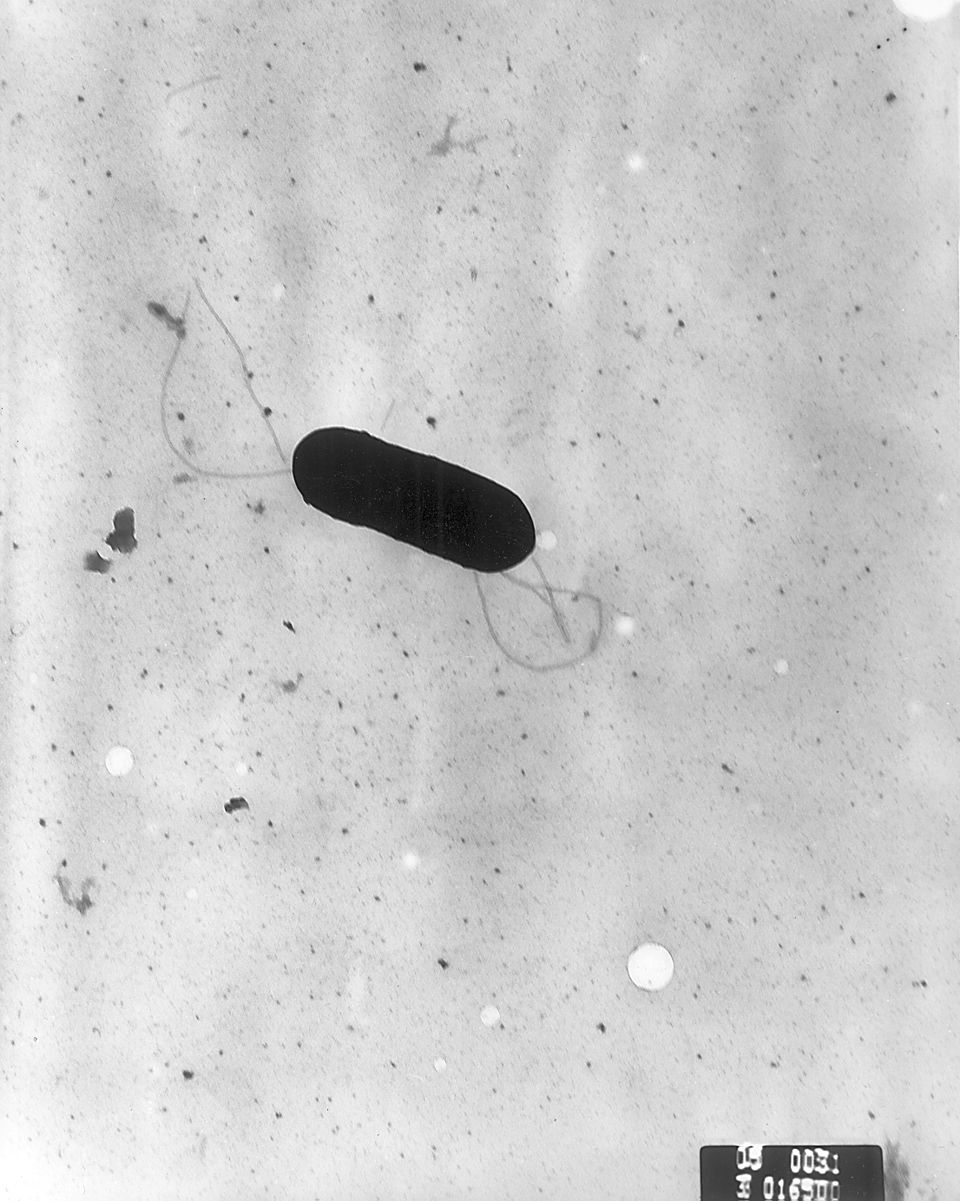
Listeria monocytogenes is a type of bacteria that can cause a serious infection known as listeriosis. Unlike some other bacteria, it can survive and even grow in cold storage environments like refrigerators. This makes it particularly challenging because it can persist in foods even when they are kept at temperatures meant to slow or stop bacterial growth.
Listeriosis can be especially dangerous for pregnant women, newborn babies, older adults, and people with weakened immune systems. In pregnant women, the infection can lead to miscarriage, stillbirth, or serious illness in newborns. For others, symptoms can range from mild gastrointestinal discomfort to severe fever, muscle aches, headaches, and even nervous system complications.
The ability of Listeria to survive in refrigerated foods and the severity of the illness it can cause are why food safety agencies take any potential contamination seriously and why recalls are issued even when no illnesses have been confirmed. The goal is to prevent infections before they occur.
Health symptoms associated with Listeria exposure
Symptoms of Listeria infection can appear anywhere from a few days to several weeks after exposure. Early symptoms may feel like common foodborne illnesses, including fever, nausea, muscle aches, and diarrhea. However, serious cases can lead to headache, confusion, loss of balance, and seizures.
In vulnerable groups like pregnant women and older adults, symptoms may be more severe. Pregnant women might feel only mild flu-like symptoms, but the infection can still affect the fetus or newborn. Health experts advise that anyone who thinks they may have eaten a contaminated product and then develops symptoms should contact a healthcare provider.
Because of the range in how listeriosis shows up, some people may not immediately realize they are infected. This is another reason authorities emphasize prevention and quick response to potential contamination in the food supply.
Food service operators who received the recalled cooked chicken products should first confirm if the lot code matches the recalled items. If it does, they should remove all matching cases from use. It is important to keep these products separate from other foods to prevent cross-contamination.
After removing the products, operators should follow cleaning procedures for any equipment or surfaces that may have touched the chicken. Proper sanitation and hygiene help reduce the risk that Listeria could spread to other foods in preparation areas.
Operators should also consider reviewing their inventory management practices and tracking systems to ensure they can quickly identify and act on recalled products in the future. Staying informed through official channels like the Food Safety and Inspection Service helps businesses respond to recall notices promptly.
Advice for individuals who may have eaten the recalled chicken
Though the recalled products were mainly sent to food service locations and not directly sold to retail customers, some people may still be concerned that they ate meals containing the affected cooked chicken. There have been no official illness reports tied to this recall yet, but monitoring symptoms is important.
Anyone who believes they may have been exposed and then develops symptoms of Listeria infection should speak with a healthcare provider. It is helpful to inform medical professionals about possible exposure so they can consider Listeria when evaluating symptoms.
Persons with increased vulnerability should be particularly vigilant. Older adults, pregnant individuals, and those with compromised immunity should seek medical advice earlier rather than waiting to see if symptoms worsen. Early treatment can be critical in managing this type of infection.
The discovery of Listeria in this cooked chicken product demonstrates the importance of ongoing food safety testing. Routine checks performed by third parties and government agencies help catch contamination early. These systems are designed to detect potential hazards before widespread illness occurs.
Once a positive test result is confirmed, authorities work with suppliers and distributors to issue recall notices and update relevant stakeholders. This multi-step process helps protect the public and maintain confidence in the food supply.
Food safety monitoring does not stop with recalls. After removing affected products, investigations may include reviews of production practices and sanitation procedures to prevent future contamination. Suppliers may adjust their quality controls to strengthen safety measures.
The Listeria contamination recall affecting cooked chicken from Suzanna’s Kitchen underscores the ongoing challenges food producers face in ensuring safety. While no illnesses have been linked to this incident so far, the proactive steps taken by authorities and food service operators are key to preventing potential outbreaks.
This situation reminds us that bacteria like Listeria can be persistent and dangerous, especially for vulnerable populations. Being prepared, responding quickly to recall notices, and maintaining strong hygiene practices are essential parts of food safety.
Operators and consumers alike should stay informed and act promptly when warnings are issued. By doing so, they help protect public health and keep food service environments safe for everyone.


