

‘World’s smallest penis’ is a phrase that has followed Michael Phillips for most of his adult life, shaping how he sees himself and how others react to his story. At 38 years old, Michael publicly shared his diagnosis after years of confusion, insecurity, and unanswered questions about his body. What began as a deeply private struggle eventually became a public conversation about anatomy, identity, and how society treats physical differences. His story is not just about measurements or medical terms. It is about daily life, mental health, relationships, and learning to live openly with something most people would never imagine experiencing.
From an early age, Michael sensed that his body was not developing the same way as others. As a teenager, he noticed that puberty did not bring the changes he expected. While his peers talked openly about physical growth, relationships, and confidence, he remained silent. He did not know how to explain what he was experiencing, and he did not feel comfortable asking questions.
Living with what would later be described as the world’s smallest penis created a deep sense of isolation. Michael assumed that something was wrong, but had no clear explanation. Health education rarely addresses extreme physical differences, and conversations around male anatomy were often filled with jokes or exaggeration. This made it even harder for him to speak up.
Instead, he carried the uncertainty quietly. He avoided situations where his body might be exposed and learned to navigate social settings carefully. Over time, this silence became part of his identity, shaping how he interacted with others and how he viewed himself.
For many years, Michael did not seek medical advice. Fear played a large role in that decision. He worried about being judged, misunderstood, or dismissed. The idea of explaining something so personal felt overwhelming. He also assumed that nothing could be done, so he questioned whether there was any point in asking for help.
Living with the world’s smallest penis without medical confirmation meant living without clarity. He questioned whether his experience was normal, rare, or something else entirely. This uncertainty added to his anxiety and made it difficult to form a healthy relationship with his body.
It was not until adulthood, after years of internal struggle, that he finally decided to consult a doctor. That decision would alter how he perceived his condition, even if it did not alter the condition itself.
In 2024, Michael underwent a medical examination that confirmed what he had suspected for years. Doctors measured his penis and determined that it was approximately 0.38 inches in length. This measurement placed him far below the medical threshold used to define average size, confirming that he had a micropenis.
The diagnosis came with mixed emotions. On one hand, it brought relief. There was finally a name and a medical explanation. On the other hand, it confirmed that his experience was not something temporary or misunderstood. Living with the world’s smallest penis was a permanent reality.
Doctors explained that micropenis is a congenital condition, meaning it develops before birth. It is often linked to hormonal or genetic factors and is not caused by lifestyle, behavior, or personal choices. Hearing this helped Michael release some of the self-blame he had carried for years.
Micropenis is defined medically as a penis that is significantly smaller than the average range for age and development. In adults, it is diagnosed when measurements fall well below the standard deviations used by medical professionals. While the condition is rare, it is recognized and documented in medical literature.
However, knowing the definition did not make living with the world’s smallest penis easier. Medical explanations do not erase the emotional impact of feeling different in a society that places so much importance on physical appearance and sexual performance.
Michael learned that treatment options are limited, especially in adulthood. While hormonal therapies can sometimes help when the condition is identified early in life, those options were no longer available to him. Surgical solutions were discussed but ultimately ruled out as ineffective or too risky in his case.
Daily Life With the World’s Smallest Penis
Every day routines present challenges that most people never think about. Michael has spoken openly about needing to sit down to urinate because standing is not practical. Hygiene also requires extra care, making simple bathroom habits more time-consuming and stressful.
These experiences may seem minor, but over time, they contribute to a constant awareness of being different. Living with the world’s smallest penis means navigating daily life with a level of caution and planning that others rarely notice.
Even clothing choices can become a source of anxiety. Michael has explained how fear of visible outlines or questions from others influenced what he wore. These concerns followed him into adulthood, affecting his confidence and comfort in public spaces.
Romantic relationships have been one of the most painful areas of Michael’s life. He has shared that intimacy has often been difficult or impossible. Explaining his condition to potential partners felt terrifying, and rejection became a real and frequent fear.
Living with the world’s smallest penis affected not only physical intimacy but emotional closeness as well. Michael worried about disappointing partners or being seen as inadequate. These fears led him to avoid relationships altogether at certain points in his life.
When he did attempt to form connections, the outcome was not always positive. Some experiences reinforced his insecurities, while others ended before intimacy could even begin. Over time, this created a pattern of emotional withdrawal and self-protection.
The psychological impact of living with the world’s smallest penis cannot be overstated. Michael has described periods of deep sadness, anxiety, and low self-worth. Feeling different in such a personal way affected how he saw himself as a man and as a partner.
Society often links masculinity to physical traits, strength, and sexual ability. These expectations can be damaging for anyone who does not fit the narrow definition of what is considered normal. For Michael, these pressures made his condition feel like a personal failure, even though it was entirely out of his control.
Over time, he learned that ignoring these feelings only made them worse. Acknowledging the emotional toll became an important step in learning how to cope and eventually share his story.
Choosing to speak publicly about the world’s smallest penis was not an easy decision. Michael knew that opening up would invite attention, curiosity, and criticism. He also knew that silence had already cost him years of peace.
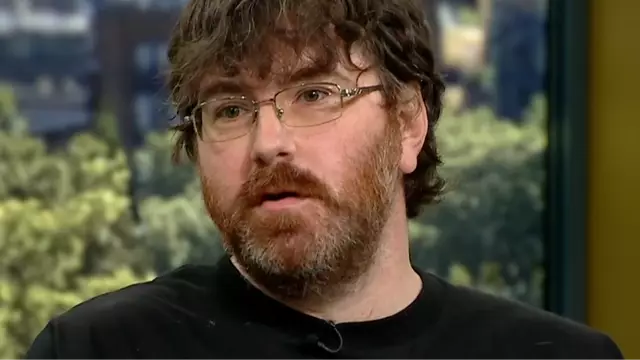
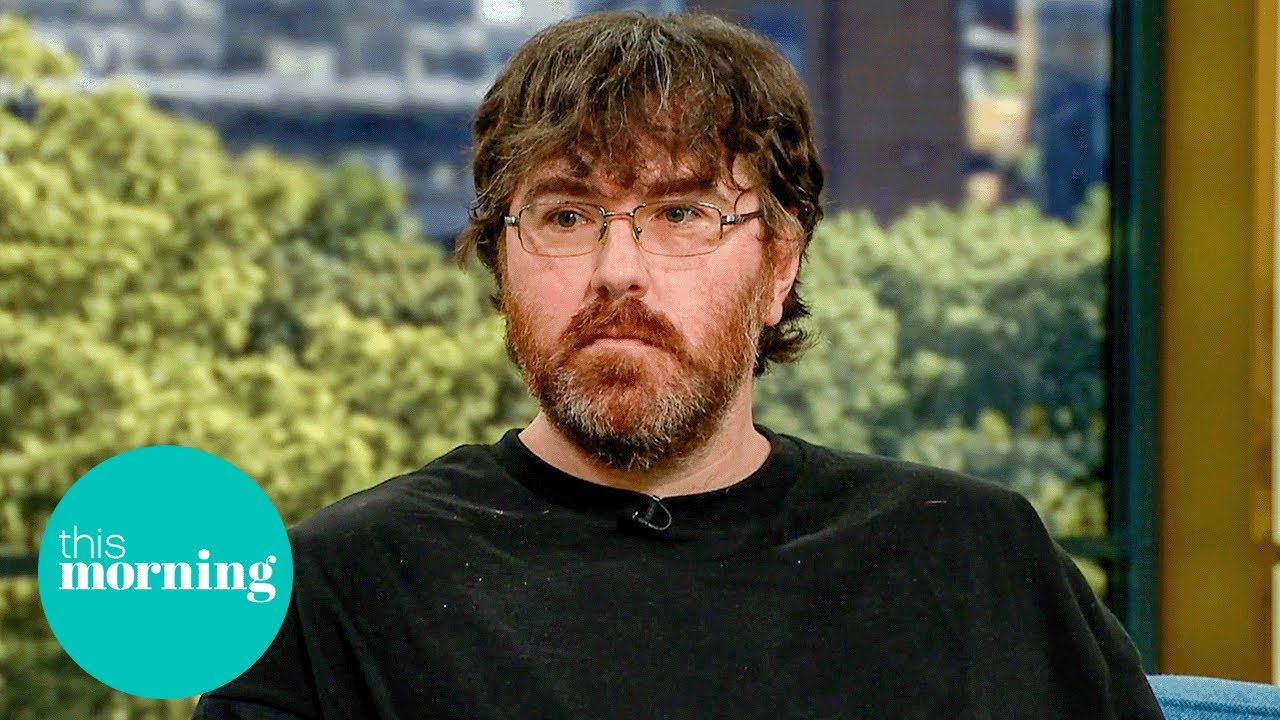
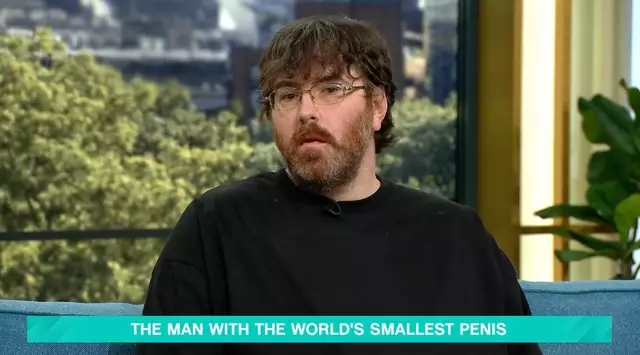
By sharing his experience on television and social media, he hoped to change the narrative. Instead of allowing others to define him by shock or humor, he wanted to tell his story in his own words. He wanted people to understand the reality behind the headline.
Public reactions were mixed. Some viewers expressed empathy and support. Others responded with awkward laughter or insensitive comments. These reactions highlighted how uncomfortable society still is when discussing male vulnerability and physical differences.
Not all responses were kind. Some people treated his story as entertainment rather than a personal disclosure. Michael has spoken about how painful it can be to see his condition turned into a joke.
Living with the world’s smallest penis already requires emotional resilience. Facing public judgment added another layer of difficulty. Still, Michael chose to continue speaking out, believing that visibility matters.
He hopes that by showing his face and telling his story honestly, others with similar conditions might feel less alone. Even if their experiences differ, knowing that someone else understands can make a powerful difference.
Michael did explore potential medical interventions. One option involved fat injections intended to increase size. Unfortunately, the procedure did not deliver meaningful results. This experience was disappointing and emotionally draining.
Being told repeatedly that there were no effective solutions reinforced a sense of helplessness. Living with the world’s smallest penis meant accepting limitations that could not be changed by modern medicine.
Doctors were honest about the risks and limitations, and Michael appreciated their transparency. However, acceptance did not come easily. It required time, reflection, and a shift in how he defined self-worth.
At one point, Michael discussed the possibility of applying for recognition related to having the world’s smallest penis. For him, this was not about attention or novelty. It was about reclaiming control over a narrative that had once caused him shame.
Turning a painful reality into a form of acknowledgment helped him feel empowered. It allowed him to frame his experience as something factual rather than something to hide.
This mindset shift marked an important step toward acceptance. Instead of viewing his condition solely as a loss, he began to see it as part of a larger story about resilience and honesty.
Michael’s story challenges deeply rooted beliefs about masculinity and worth. Living with the world’s smallest penis forced him to question ideas he had internalized since childhood.
He now speaks openly about the harm caused by unrealistic standards. He encourages conversations that include empathy, education, and respect. By doing so, he hopes to create space for others who feel excluded by traditional definitions of normal.
These conversations are not always comfortable, but they are necessary. Michael believes that silence only reinforces stigma, while openness creates understanding.
Sharing such a personal experience has helped Michael rebuild confidence in unexpected ways. While the condition itself has not changed, his relationship with it has.
Living with the world’s smallest penis no longer defines him entirely. It is part of his story, but not the whole story. He continues to focus on self-acceptance, mental health, and personal growth.
By speaking openly, he has connected with others who understand vulnerability. These connections have reminded him that worth is not measured by anatomy.
Behind the headlines and measurements is a man who has spent years navigating fear, shame, and self-discovery. Living with the world’s smallest penis has brought unique challenges, but it has also revealed the importance of compassion.
Michael’s story serves as a reminder that health conditions are not entertainment. They are lived experiences that deserve understanding. His openness encourages readers to think more carefully about how we respond to stories that challenge social comfort zones.
Empathy costs nothing, but it can change everything for someone who has spent years feeling invisible.


