

Mark Rylance’s regret is a striking example of how even celebrated actors can look back on a major decision in their careers with disappointment. In the years since the release of the 2001 film Intimacy, Rylance has talked openly about how participating in one particular moment on screen became a source of intense personal and professional regret.
At the heart of this story is the film Intimacy itself, a movie that was intended to push the boundaries of romantic storytelling. The erotic drama, directed by Patrice Chéreau, follows a man named Jay who lives in London and engages in regular intimate encounters with a woman he does not know well. The movie was based on a novel by Hanif Kureishi, and it was always meant to be bold and raw. Yet for Rylance, the reality of making the film was far more difficult than he anticipated, and it left him with lingering regret over the choices he made during production.
Mark Rylance’s regret mainly centers on one unsimulated moment in Intimacy that many viewers did not expect to be real.
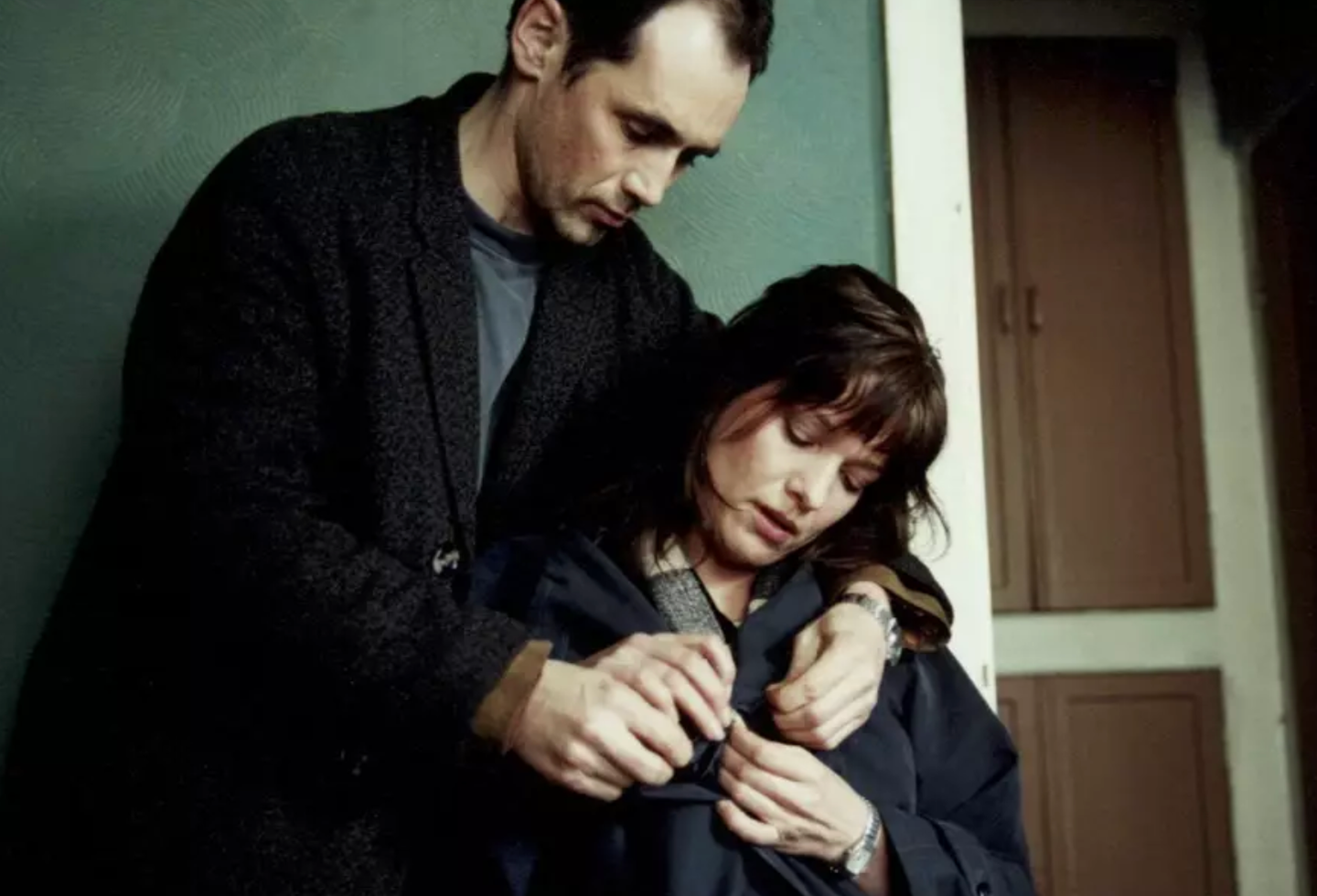
While audiences generally understand that sex scenes in movies are carefully choreographed and filmed to look authentic while still maintaining boundaries, Intimacy included one explicit scene that crossed that line into real, unsimulated action. According to critics and film analysts, the movie contains a scene in which Rylance’s character and his co-star perform an oral sex act that was not simulated for the camera.
At the time of making Intimacy, Mark Rylance was already an experienced actor with an established reputation.
He had been praised for his range and depth in stage and screen work, and he was respected as a thoughtful and committed performer. Even so, he later said that shooting this particular film was the most challenging project he had ever taken on. Part of that challenge stemmed from the emotional and psychological impact of performing the explicit scene, which was far outside the usual boundaries of traditional filmmaking.
In interviews years after the film’s release, Rylance has been candid about how much pressure he felt from those involved in the production to agree to the scene. He said that the director, Patrice Chéreau, was persuasive and that at the time he did not feel confident enough to refuse. Rylance admitted that this lack of confidence led him to go along with something that later caused him discomfort and second thoughts. In a Wall Street Journal interview, he said that the experience “soured” part of his life for a couple of months, and he has repeatedly said he wishes he had not made that choice.
Rylance’s regret did not only stem from the act itself. He also spoke about the aftermath that followed once the film was released and audiences reacted. The international attention it received and the public scrutiny that followed were heavy burdens for him, and he described the attention as painful. What he had hoped might be an honest exploration of human connection turned into something that left him feeling exposed and vulnerable long after the cameras stopped rolling.
Mark Rylance’s regret has been shared in several interviews over the years. In a discussion with The Guardian, he went into more depth about the emotional toll that working on Intimacy took on him. He talked about how intense and revealing the movie was meant to be and how he initially believed in its goal of telling a true story about modern relationships and the difficulty of finding connection in a big city like London. But despite those intentions, he said the personal impact of the shoot and the subsequent attention was more than he anticipated.
The unsimulated nature of the scene in question made Intimacy controversial from the moment it premiered. It was not just another art film. It was a movie that made headlines around the world for pushing boundaries that many viewers were not prepared to see in a non-adult film. That controversy helped the movie win Best Film at the Berlin Film Festival in 2001, but it also cemented its legacy as a movie that some admired and others criticized. Rylance’s regret is tied to both the artistic intention and the fallout that followed.
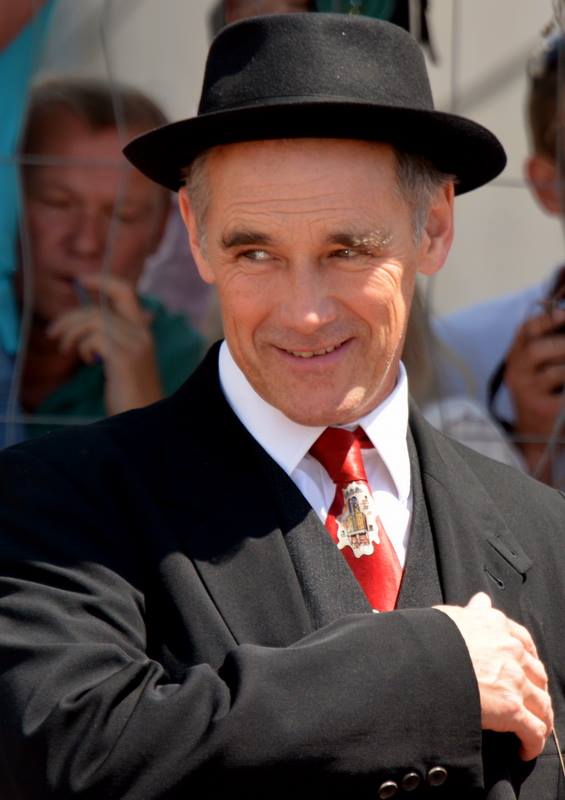
While Mark Rylance has expressed discomfort with that part of the film, others involved in Intimacy have seen it differently. Kerry Fox, the actress who played opposite Rylance, has offered a contrasting perspective in past comments. Fox has stated that she does not regret the scene and feels that taking a risk in a role is part of acting. She pointed out that doing bold work can influence a career in unexpected ways and that avoiding risk might lead to a life of safe but forgettable performances. Her view highlights that not everyone involved in the same experience walks away with the same feelings.
In fact, Fox has spoken about how the role and the attention it brought helped her in some aspects of her career. She acknowledged that while the controversy did create challenges, it also expanded opportunities and made her name more visible in some areas of the film world. That kind of mixed outcome is common in Hollywood, where even controversial choices can have positive effects for some participants. For Rylance, however, the personal cost felt greater than any potential advantage.
Looking back on the film now, Mark Rylance’s regret illustrates an important lesson about the pressures actors can face behind the scenes. What audiences see on screen is often a fraction of what performers experience during production. Actors might feel obligated to go along with decisions they are uncomfortable with, especially early in their careers or when working with directors they respect. Rylance has said that today he would be more likely to set boundaries and that many actors labeled as “difficult” are simply protecting themselves and their careers by being clear about what they will and will not do.
In the years since Intimacy, Rylance continued to take on diverse and complex roles in major films, from period dramas to big studio projects. His career did not suffer long-term, and he went on to receive accolades and awards for other work. Yet the memory of Intimacy and the regret he feels about that specific experience has stayed with him and influenced how he talks about his work today. It remains one of his most talked-about moments in interviews about his life and career.
The story of Mark Rylance’s regret is not just about a single scene in a movie. It shows how deeply our choices, especially in public and creative careers, can shape our memories and feelings about our own work. Rylance’s reflection shows that even celebrated artists are human, with insecurities and doubts that linger long after the spotlight moves on. For fans and observers, it offers a reminder that the glamour of filmmaking often masks a more complicated reality behind the scenes.
Mark Rylance, as an actor, will always be remembered for his range and his ability to immerse himself in complex characters. His willingness to tackle challenging roles is part of what makes him respected in the industry. Yet this story of regret shows that even the most skilled actors sometimes look back and wish they had made a different choice. It adds depth to our understanding of his work and reminds us that the decisions performers make can have lasting emotional effects.


