
Most People Don’t Know This Fruit Exists—But It May Support Eye Health and Blood Pressure Naturally


As the seasons change, markets slowly shift into displays of fresh, colorful produce that you only see for a limited time each year. These seasonal fruits are often at their best in both flavor and nutrition, offering a simple way to enjoy food that feels both natural and nourishing.
Among them, one fruit in particular has been drawing attention for its potential link to better vision and healthier blood pressure levels.
Have you ever come across it? Or tried it without really knowing what it offers?
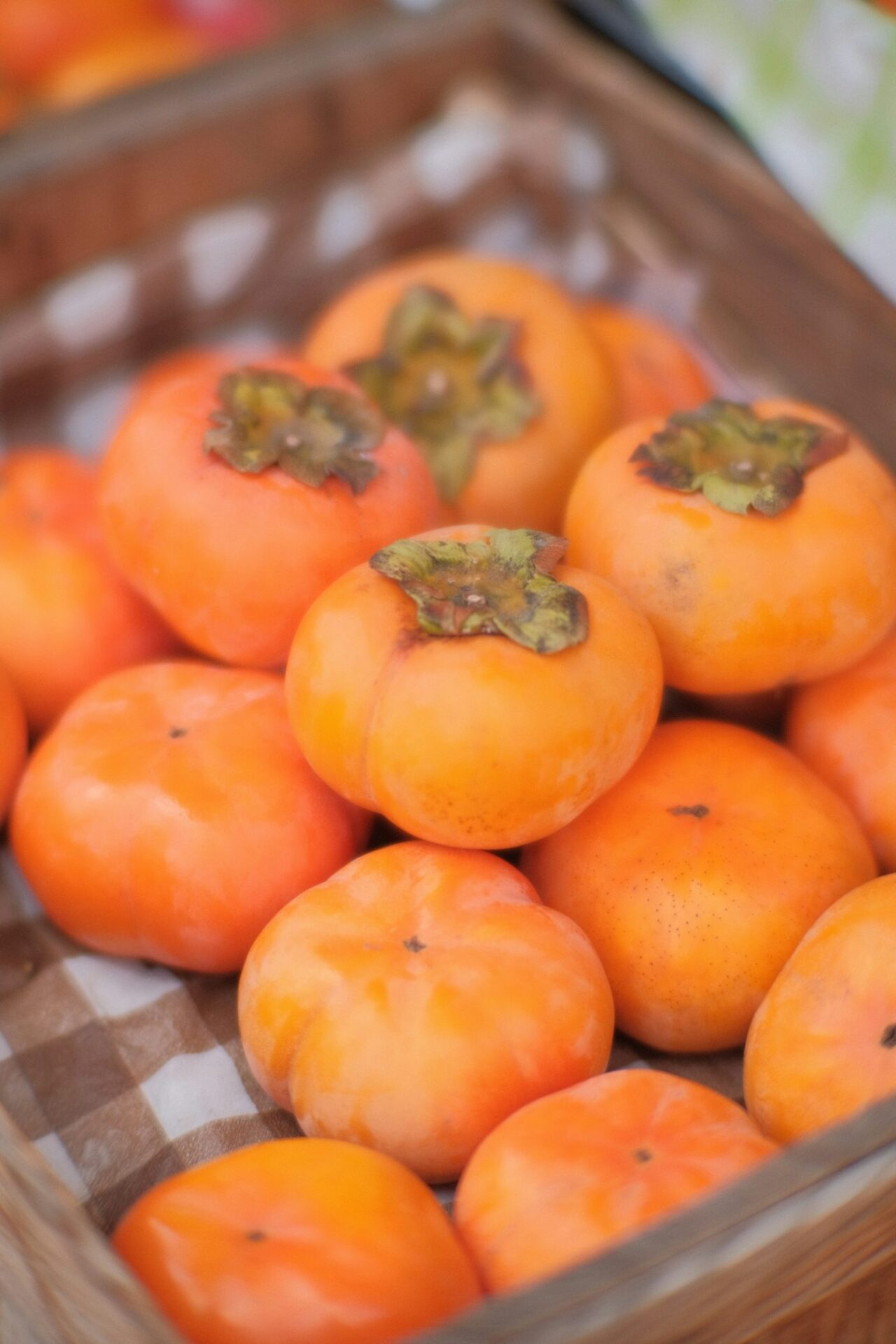
Meet the Seasonal Standout: Persimmon!
The fruit in focus is the persimmon. It’s known for its soft, honey-like sweetness when fully ripe, and a smooth texture that makes it easy to enjoy. You’ll usually find it in late autumn and early winter, when its bright orange skin stands out in fruit stalls and markets.
Beyond its pleasant taste, persimmons are valued for their nutrient profile. They contain a range of naturally occurring compounds that are often associated with general eye and heart support, making them a quiet favorite among seasonal fruits.
Why Persimmons Support Eye Health
Persimmons are a good source of vitamin A and beta-carotene, both of which play an important role in maintaining normal vision. Vitamin A helps support the surface of the eye and is especially important for low-light or night vision. Beta-carotene, which the body converts into vitamin A, also functions as an antioxidant.
These antioxidants help protect the eyes from everyday oxidative stress, which can come from things like pollution, aging, and long hours in front of screens. Over time, this type of protection is believed to support overall visual health.
They also contain lutein and zeaxanthin, two plant compounds that naturally accumulate in the retina. These are often discussed in relation to macular health and their role in filtering certain types of light that reach the eye.
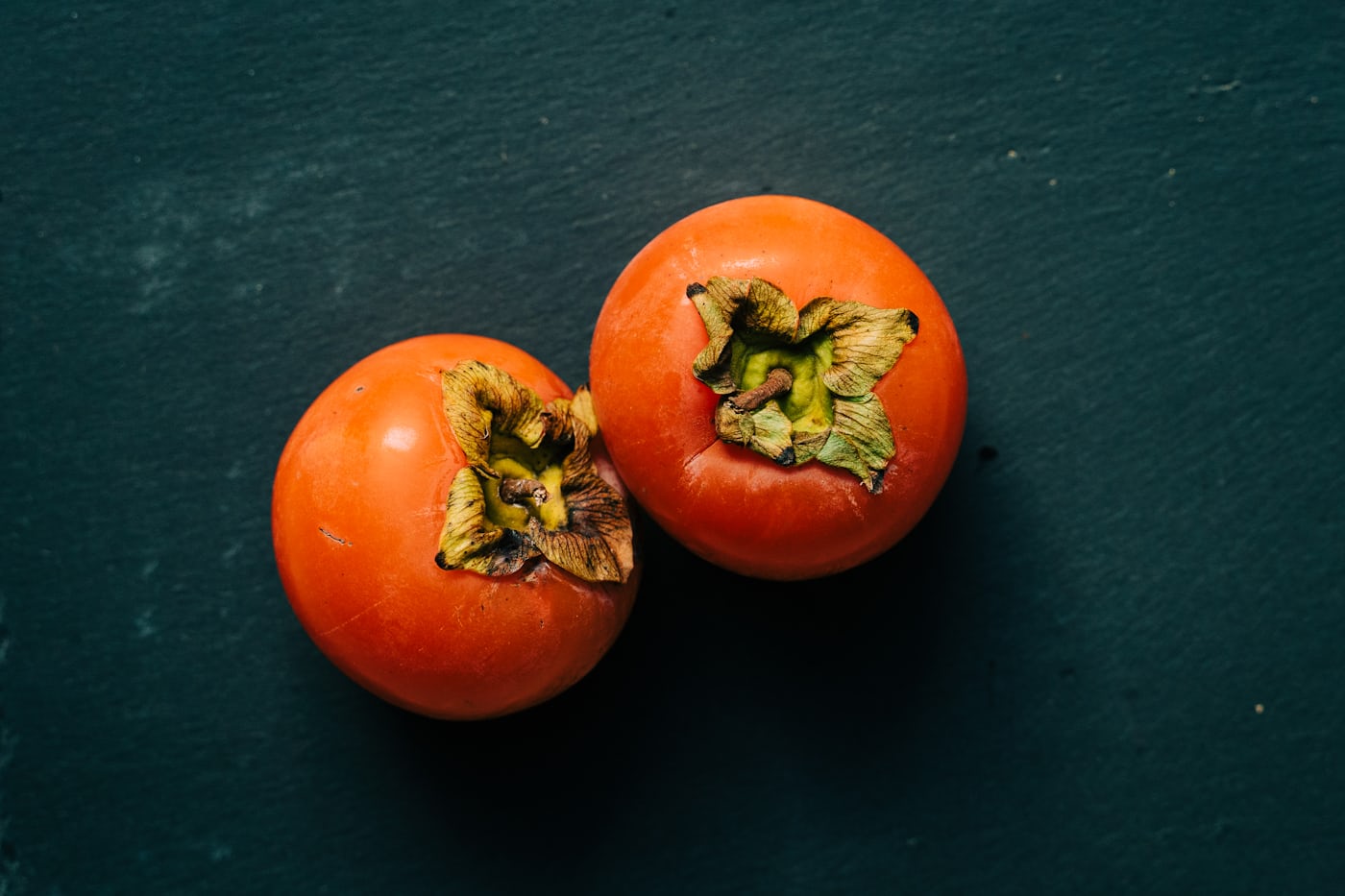
A Natural Ally for Blood Pressure Balance
Persimmons may also play a small but helpful role in supporting healthy blood pressure. One of the key nutrients found in them is potassium, a mineral that helps the body manage sodium balance.
When potassium intake is adequate, it can support normal blood vessel function and help the body maintain a healthier fluid balance. This is one of the reasons diets rich in fruits and vegetables are often linked with better cardiovascular outcomes.
They also contain dietary fiber, which contributes to heart health by supporting normal cholesterol levels. Alongside this, their natural antioxidant content may help reduce everyday inflammation in the body, which is often discussed in relation to heart health.
How to Eat Persimmons for Maximum Benefit
Persimmons are versatile, but how you eat them can make a difference in both taste and texture.
Eat Them Fully Ripe
Certain types, like Hachiya persimmons, should be very soft before eating, as unripe ones can taste bitter or astringent. On the other hand, Fuyu persimmons can be eaten while still firm and crisp. Knowing the variety helps you enjoy them properly.
Enjoy Them Fresh
Eating them raw is one of the simplest ways to enjoy persimmons, as it helps preserve sensitive nutrients like vitamin C. They can be sliced into breakfast bowls or eaten on their own as a quick snack.
Pair With Healthy Fats
Combining persimmons with foods like walnuts or avocado can help the body absorb fat-soluble nutrients such as beta-carotene more efficiently. It’s a small combination that adds both taste and nutritional value.
Avoid Added Sugars
Because persimmons are naturally sweet, they don’t need extra sugar. Adding syrups or refined sweeteners can take away from their natural benefits and increase unnecessary calories.
Blend Into Smoothies or Salads
Their soft texture and sweetness make them a good addition to smoothies, salads, or yogurt bowls. They also pair well with leafy greens and nuts for a balanced mix of flavors.
Recipe Idea: Persimmon Salad for Vision and Heart Support
Ingredients:
2 ripe persimmons, sliced
1 cup fresh spinach or arugula
1/4 cup chopped walnuts
1/2 avocado, diced
Juice of half a lemon
1 tablespoon olive oil
A small pinch of black pepper
Instructions:
Place the greens in a large bowl.
Add sliced persimmons and diced avocado.
Sprinkle walnuts over the top.
Drizzle with lemon juice and olive oil.
Add a pinch of black pepper and toss gently.
Serve immediately.
This simple combination brings together healthy fats, fiber, and antioxidants in a fresh and balanced way.

A Seasonal Habit Worth Keeping
Seasonal fruits like persimmons are a reminder that food is often at its best when eaten in rhythm with nature. They offer a mix of nutrients that can support overall wellbeing, including eye and heart health, when included regularly in a balanced diet.
Of course, they are not a replacement for medical treatment or professional advice. Anyone managing health conditions should continue following their doctor’s guidance. Still, adding nutrient-rich foods like persimmons can be a simple and enjoyable way to support everyday health.
So next time you spot them at the market, it might be worth giving them a try. You may already know the taste—but now you know what they bring to the table too.