

Non alcoholic fatty liver disease, or NAFLD, affects millions of people worldwide and happens when fat builds up in liver cells, not because of alcohol but mostly because of metabolic imbalances. This disease can raise your risk for insulin resistance, high cholesterol, and even inflammation in your liver. One of the most powerful tools you have to manage NAFLD is what you eat. Research shows that eating more whole fruits is linked with a lower chance of developing NAFLD and its complications.
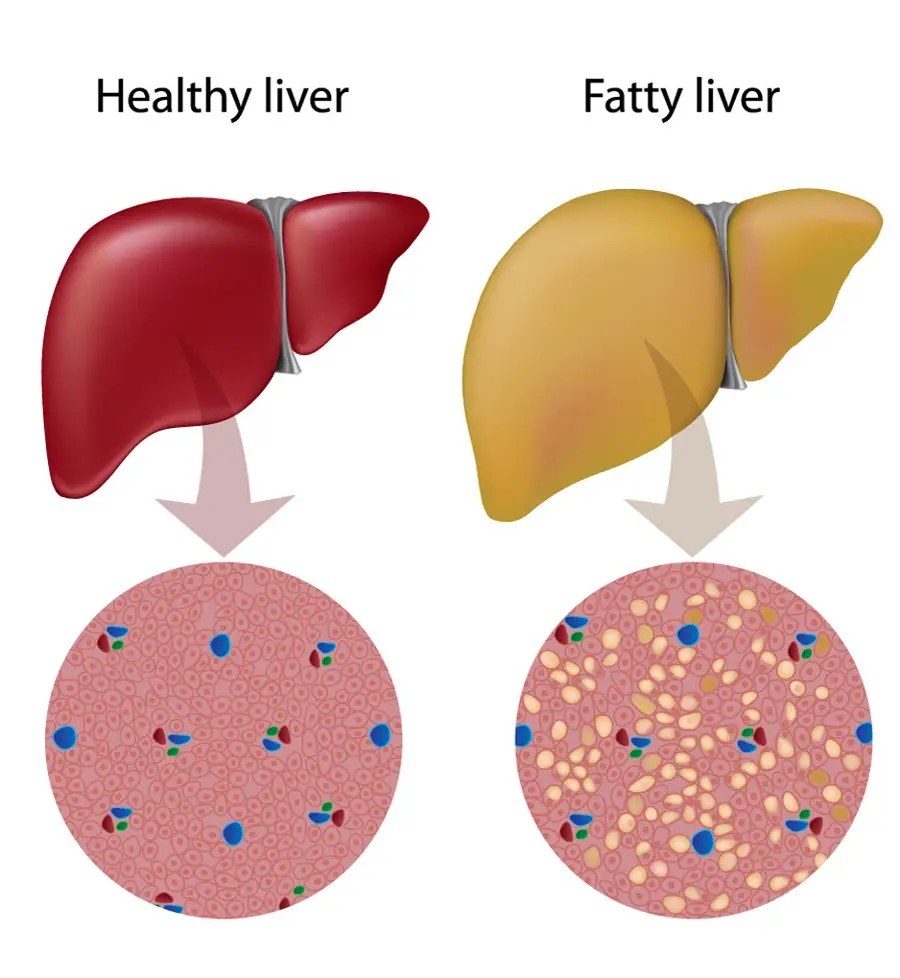
Fruits contain fiber, antioxidants, and micronutrients that interact with the digestive system and your metabolism in very beneficial ways. Instead of avoiding fruit because it has natural sugar, people with NAFLD should learn which fruits help regulate blood sugar and lower cholesterol. This approach contributes to better metabolic health and supports liver function.
When you eat fruit, the natural sugars in it come with fiber and phytonutrients that slow down absorption of sugar into your bloodstream. This helps prevent sudden spikes in blood sugar and supports steady energy levels. It also helps your liver by reducing the need for large amounts of insulin and decreasing fat storage signals. Research also confirms that fruit and vegetable intake is often linked with a lower risk of developing NAFLD.
Cholesterol control is another key part of managing NAFLD. The fiber in fruit binds to cholesterol in your digestive tract and helps your body eliminate it. Soluble fiber, like pectin, can lower LDL cholesterol, which is often high in people with fatty liver disease. This effect reduces strain on your liver and also improves overall cardiovascular health.
Top 3 Fruits Backed by Science for NAFLD
Here are three fruits that have strong evidence for helping people with NAFLD by fighting liver fat, supporting sugar balance, and regulating cholesterol.
1. Blueberries
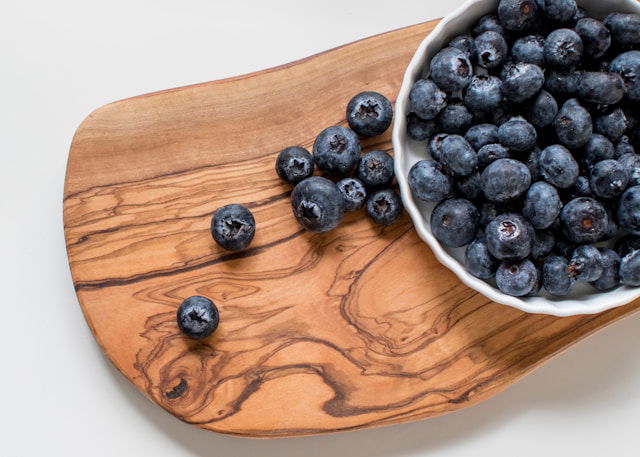
Blueberries are small but powerful. They are rich in anthocyanins, a type of antioxidant that helps protect your liver cells from oxidative stress and supports healthy metabolic processes. Studies show that blueberries can enhance liver enzyme function and help reduce fat accumulation in the liver itself. The antioxidant compounds in blueberries help reduce inflammation in the liver and support balance in blood sugar levels.
You can enjoy blueberries fresh or frozen. Add them to oatmeal, yogurt, or smoothies to make them an easy part of your meals. For people with NAFLD, a half cup to a full cup daily can be a delicious way to get beneficial phytonutrients into your diet.
2. Apples
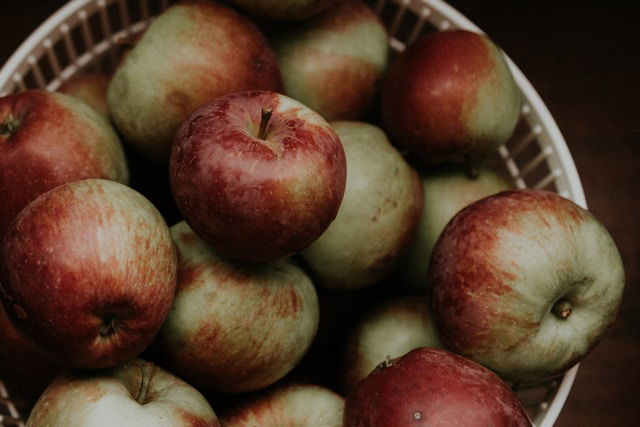
Apples are another excellent choice for people with NAFLD. They are loaded with soluble fiber like pectin. The fiber in apples binds to fats and cholesterol in your digestive system, which reduces their absorption. This helps lower LDL cholesterol levels and supports a healthier metabolic profile. Apples also slow down the digestion of sugars and reduce sharp blood sugar increases after eating.
Eating apples with the skin on maximizes your intake of fiber and antioxidants. Chop them into salads or eat them raw for a quick snack that supports your liver and your glucose balance.
3. Avocados
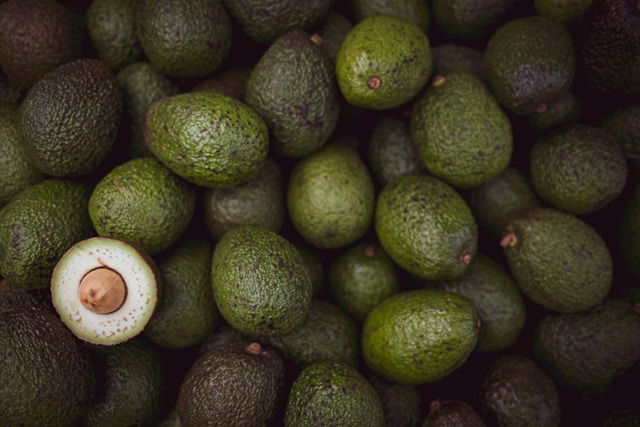
Avocados are unique because they are a fruit that contains healthy fats rather than mostly carbohydrates. These monounsaturated fats help improve your lipid profile and support healthy cholesterol levels. Avocados are also rich in vitamin E and fiber. These nutrients help protect liver cells and support normal fat metabolism. Some studies show that avocado oil and avocado consumption can reduce oxidative stress and promote liver health.
Add avocado to salads, smoothies, or as part of healthy toast. Its creamy texture makes it easy to include in meals and increases feelings of fullness, which supports weight management.
While fruits are beneficial for people with NAFLD, it is important to eat them in a balanced way. A clinical trial found that eating more than four servings of fruit per day without adjusting calories and overall diet could worsen liver fat and blood sugar control for some individuals. This does not mean fruit is bad. It means portion and overall diet quality matter.
A good rule of thumb is to include two to three servings of fruit each day as part of a varied and balanced diet. Pair fruit with protein and healthy fats to slow sugar absorption. For example, blueberries with yogurt or an apple with nut butter offer both fiber and fat, which support balanced blood sugar.
Other Fruits That Can Support Liver Function
Beyond the top three, several other fruits offer benefits for people with NAFLD because of their nutrient profiles.
Grapefruit
Grapefruit contains naringenin, which supports liver detoxification pathways and reduces inflammation. It is full of vitamin C and antioxidants that help decrease oxidative stress. Eating grapefruit or adding it to salads can boost your intake of liver-friendly nutrients.
Citrus Fruits
Other citrus fruits like oranges and tangerines also offer vitamin C and fiber, which support glucose regulation and immune health. They provide hydration and micronutrients that help reduce oxidative stress on the liver.
Pears
Pears are another source of soluble fiber and antioxidants. They help slow down digestion and support healthy cholesterol levels. This makes pears a good option for people managing NAFLD who need to balance blood sugar.
Strawberries and Raspberries
These berries are colorful, nutrient-dense fruits full of antioxidants and fiber. Like blueberries, they help protect liver cells from oxidative damage and support overall metabolic health.
Here are practical ways to include NAFLD-friendly fruits in your daily menu:
- Breakfast: Add a mix of blueberries and sliced bananas to oats or a smoothie bowl.
- Snack: Keep apples or pear slices with nut butter ready for a quick bite.
- Lunch: Toss grapefruit segments into leafy green salads with olive oil and seeds.
- Dinner: Serve avocado with grilled fish or chicken to add healthy fats and flavor.
- Dessert: Enjoy a small bowl of mixed berries with a sprinkle of cinnamon for sweetness and antioxidants.
Balancing fruit with other food groups like lean proteins, vegetables, whole grains, and healthy fats helps manage NAFLD and makes meals satisfying.
Fruit is just one part of a liver-friendly diet. Research points to whole dietary patterns such as Mediterranean and plant-based diets as beneficial for people with NAFLD. These diets emphasize fruits, vegetables, whole grains, nuts, seeds, and lean proteins. They lower inflammation, improve insulin sensitivity, and support healthy lipid levels.
A balanced approach also includes reducing foods linked to worsening NAFLD, like sugary beverages, processed snacks, refined carbohydrates, and excessive added sugars. Studies show that overconsumption of fructose from sweetened drinks and processed foods is linked with fat buildup in the liver.
Combining healthy eating with regular physical activity delivers stronger results for your liver and metabolic health.
Fruits to Be Cautious With
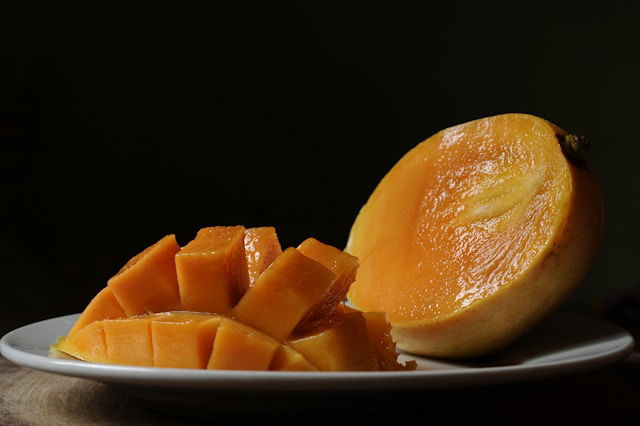
Not all fruit choices have the same impact on NAFLD. High sugar fruits like mangoes and grapes are still nutritious but should be eaten in moderation, especially if blood sugar control is a concern. The natural sugar in fruit is better handled because of fiber, but large portions can still raise blood sugar and affect insulin levels. Pairing these fruits with protein or healthy fats slows absorption.
Fruit juices should be limited because they remove most fiber and concentrate sugar. Even 100 percent fruit juice can raise blood sugar more quickly than eating whole fruit.
Everyone responds a bit differently to dietary changes. When you adjust your fruit intake or overall diet for NAFLD, pay attention to how your body feels after meals. If you notice spikes in blood sugar or unusual symptoms, consider adjusting portion size or pairing different foods.
Many people find keeping a food and symptom journal helps them see patterns and decide which foods support their health best. Discuss your meal plans with your healthcare provider or a registered dietician who can tailor advice to your needs.
Choosing the right fruits can be a positive strategy for people managing NAFLD. Blueberries, apples, and avocados have strong evidence supporting their roles in reducing liver fat, controlling blood sugar, and improving cholesterol. Other fruits, like citrus fruits and pears, also offer benefits when eaten in a balanced diet.
Moderation matters because too much of even healthy food can affect your metabolic health. Include fruit as part of a balanced meal plan alongside vegetables, lean proteins, and whole grains for the best results. Over time, consistent healthy eating helps reduce liver fat, improve liver function, and protect your long-term health.


