
Neurologists Warn That Everyday Foods Could Be Undermining Brain Health

When conversations turn to long-term health, most people think about weight control or cardiovascular risk. Neurologists, however, increasingly emphasize a different priority: diet as a primary determinant of cognitive longevity.
Although the brain accounts for just about 2% of total body weight, it consumes close to 20% of daily energy expenditure. That disproportionate demand makes it metabolically vulnerable. In a recent discussion on brain health, several neurologists outlined the foods they personally limit or avoid to protect neural integrity.
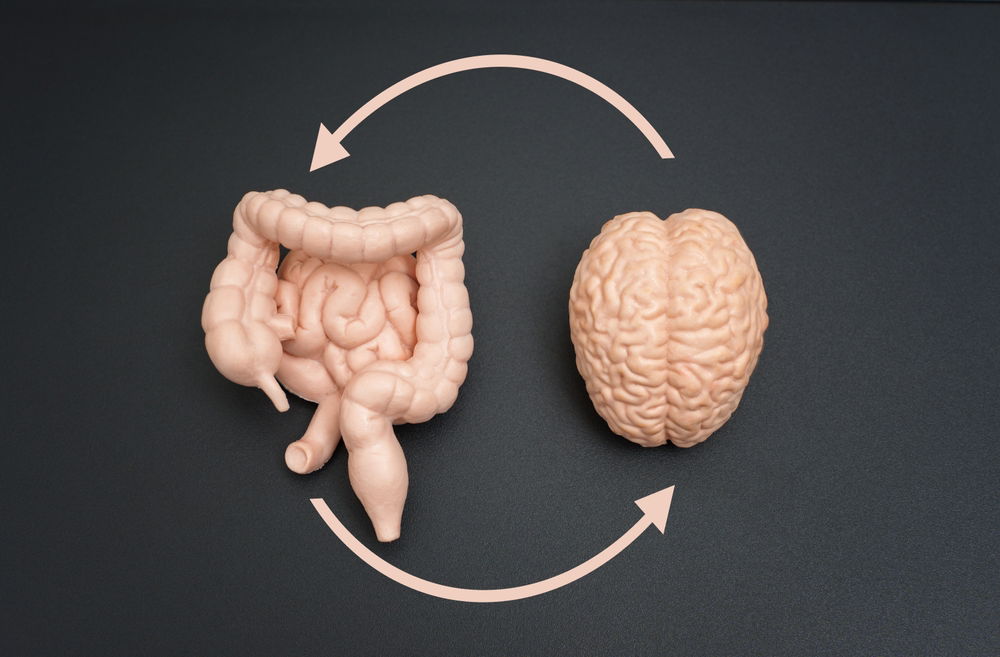
The Gut–Brain Axis: Why Food Matters
The connection between digestion and cognition operates through what scientists call the gut–brain axis — a bidirectional communication system linking the gastrointestinal tract and the central nervous system. Food does more than provide calories; it delivers compounds that can either support neuronal function or promote inflammation.
Two core mechanisms are central to this relationship:
1. The Blood-Brain Barrier (BBB)
The BBB functions as a selective filter, shielding neural tissue from toxins. Diets high in refined sugars and trans fats may compromise this barrier. When its integrity weakens, harmful molecules gain easier access to brain tissue — a phenomenon sometimes described as increased permeability or “leaky brain.”
2. Neuroinflammation
Unlike visible inflammation in injured tissue, neuroinflammation occurs silently. Poor dietary patterns can overstimulate microglia — the brain’s immune cells — triggering chronic inflammatory responses. Over time, this contributes to neuronal dysfunction and has been linked to neurodegenerative diseases such as Alzheimer’s.
6 Foods Neurologists Approach With Caution
Below are foods experts say deserve careful consideration.
1. Protein Powder (Additive Concerns)
Protein is essential for neurotransmitter production, but many commercial powders are highly processed. Some contain trace heavy metals or artificial sweeteners that may interfere with neural signaling.
“It is those additives that really give me pause when it comes to protein powders because they wreak havoc on your gastrointestinal microbiome,” said neuroscientist Friederike Fabritius in an interview with HuffPost. “A healthy and robust internal microbiome is so important for great brain health because most of our neurotransmitters are produced in the gut.”
Experts recommend choosing brands with transparent, minimal ingredient lists.
2. Soda (Glucose and Artificial Sweeteners)
Both regular and diet sodas raise concerns.
Sugary soda causes rapid blood glucose spikes, potentially contributing to insulin resistance — including in the brain. When neurons become insulin resistant, their ability to metabolize energy declines.
“Soda is one of the worst foods for brain health due to the high concentration of simple sugars, which damage the blood vessels supplying the brain,”said neurologist Dr. Shaheen Lakhan. “Over time, this starves the brain from the very fuels it needs to function, leading to premature dementia and strokes. Acutely, sugar also causes brain inflammation, irritability, poor mood and sleep disturbances.”
Diet soda, meanwhile, contains artificial sweeteners such as aspartame, which may disrupt the gut microbiome and indirectly affect mood-regulating chemicals like serotonin.
3. Alcohol (Neurotoxic Effects)
Alcohol readily crosses the blood-brain barrier and is classified as a neurotoxin. Chronic consumption interferes with neurogenesis — the formation of new neurons — and has been associated with reduced brain volume, particularly in the hippocampus, which governs memory and learning.
“Alcohol is a neurotoxin that can injure both the central and peripheral nervous system, even if consumed in moderate amounts.” Said neurologist Dr. Byran Ho.
4. French Fries (Trans Fats and Acrylamide)
Fried foods pose a dual threat. First, they often contain trans fats, which can impair the fluidity of neuronal membranes. Second, frying starchy foods at high temperatures produces acrylamide — a compound linked to oxidative stress and cellular damage.
“A diet that incorporates fatty foods like French fries can damage blood vessels that supply the brain, causing cognitive impairment,” said Dr. Pedram Navab. “It reduces the blood-brain barrier (BBB) integrity and leads to neuronal damage of the hippocampus, a part of the brain that is instrumental for learning and memory.”
5. Certain Decaf Coffee (Chemical Solvents)
Some decaffeination processes rely on chemical solvents such as methylene chloride. Although regulated, trace exposure raises concern among some neurologists.
“Solvents, the chemicals used to remove caffeine from coffee, are generally toxic to humans,” said neuroscientist Sean Callan. “Many are linked to increased risk of cancer or neurological harm, especially in large or repeated doses. Beyond that, solvents like methylene chloride (a solvent commonly used in the decaffeination process) are known to cross the placenta, meaning pregnant women risk exposing their unborn child to the solvent.”
Consumers seeking decaf are often advised to choose the Swiss Water Process, which removes caffeine without chemical solvents.
6. Cannabis-Infused Edibles (High-Potency THC)
As legalization expands, neurologists are also examining the neurological implications of high-dose edibles containing THC.
Edibles are metabolized slowly, which can lead users to consume larger amounts before feeling effects. High THC exposure may impair executive function — including planning, attention, and memory formation.
“Besides the short-term cognitive impairing effects of cannabis, tetrahydrocannabinol (THC) appears to constrict arteries in the brain,” said neurologist Dr. Lester Leung. “This can be very dangerous when used in large amounts by people with migraines, a very common headache condition that, together with heavy cannabis use, can lead to stroke, even in young, otherwise healthy people.”
What Neurologists Recommend Instead
While certain foods may pose risks, many dietary patterns actively support brain health. Experts frequently point to the MIND Diet — a hybrid of the Mediterranean and DASH approaches — as a model for neuroprotection.
Key components include:
- Leafy greens: Rich in folate and vitamin K, associated with slower cognitive decline.
- Fatty fish: Sources of omega-3 fatty acids (such as salmon, mackerel, and sardines), essential for neuronal membrane integrity.
- Berries: High in flavonoids that combat oxidative stress.
- Walnuts: Contain DHA, an omega-3 fatty acid linked to improved cognitive performance.
The Takeaway
The brain is metabolically demanding and biologically delicate. Protecting it does not require dietary perfection, but it does require awareness.
Occasional indulgences are unlikely to cause harm in isolation. However, habitual consumption of pro-inflammatory or ultra-processed foods may gradually undermine cognitive resilience.
Choosing whole, nutrient-dense, anti-inflammatory foods is not merely a short-term health strategy — it is a long-term investment in clarity, memory, and neurological vitality.