

Brushing your teeth every morning feels like one of the most basic parts of a healthy routine. Most people wake up, grab a toothbrush, and assume they are doing the best possible thing for their smile. But according to dental experts, a very common habit linked to brushing your teeth may actually make teeth appear more yellow over time.
The mistake is surprisingly simple, yet many people repeat it daily without realizing it could harm their enamel. While brushing your teeth is essential for oral hygiene, the timing and method matter more than people think. Small errors in how you brush can slowly affect the outer layer of the tooth, leading to changes in color and long-term dental problems.
Dentists say that understanding the science behind brushing can help protect enamel and keep your smile healthier. A few small adjustments to your routine can make a significant difference in preventing tooth discoloration and protecting your oral health.
Why Brushing Your Teeth Matters
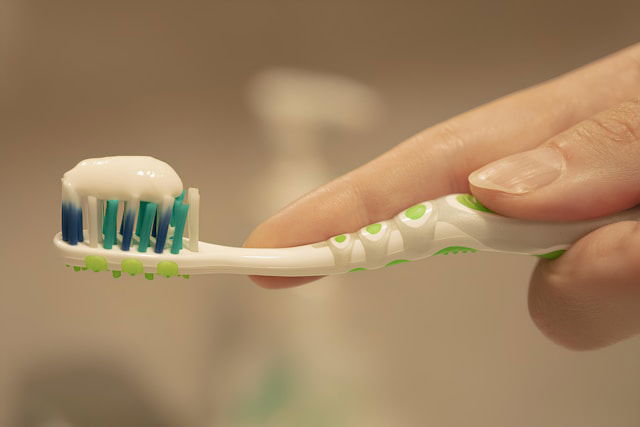
Brushing your teeth is one of the most important habits for maintaining oral health. Dentists recommend brushing twice a day for about two minutes each time. This simple routine helps remove plaque, food particles, and bacteria that build up in the mouth throughout the day.
Plaque is a sticky film that forms on the surface of teeth. If it is not removed regularly through brushing your teeth and flossing, it can lead to cavities and gum disease. Over time, plaque can also harden into tartar, which requires professional cleaning to remove.
Regularly brushing your teeth also helps reduce bad breath and keeps the mouth feeling fresh. Toothpaste contains fluoride, which strengthens enamel and protects teeth from decay. The fluoride layer formed during brushing can act as a protective barrier that helps defend against acid and bacteria.
Because of these benefits, brushing your teeth is widely considered a basic step in preventing many dental problems. However, dentists emphasize that brushing too aggressively or at the wrong time can actually damage enamel.
The mistake dentists often see involves brushing your teeth immediately after eating breakfast. While it might seem logical to brush away food right after a meal, doing so can actually harm your teeth.
Many breakfast foods and drinks contain acids. Coffee, orange juice, citrus fruits, and sugary cereals can temporarily soften the enamel on the surface of teeth. When the enamel is softened by acid, brushing your teeth right away can wear it down more easily.
Instead of cleaning the teeth effectively, brushing during this vulnerable period can slowly erode the enamel. Enamel is the outer protective layer of the tooth, and once it is damaged, it cannot regenerate.
Over time, repeated enamel erosion can cause teeth to appear more yellow. This happens because the layer beneath enamel, called dentin, has a naturally yellow color. As the enamel becomes thinner, the dentin becomes more visible.
Dentists say that this simple timing mistake while brushing your teeth is more common than people think.
To understand why brushing your teeth after breakfast can cause problems, it helps to understand how acid interacts with enamel.
After eating or drinking acidic foods, the pH level in the mouth drops. This acidic environment temporarily weakens the mineral structure of enamel. During this period, the enamel becomes softer and more vulnerable to damage.
If someone starts brushing your teeth immediately during this phase, the toothbrush can physically wear away the softened enamel. Even gentle brushing can contribute to gradual erosion if done at the wrong time.
Dental professionals explain that this process does not happen overnight. Instead, it occurs slowly over months or years. People may eventually notice that their teeth appear darker or more yellow, even if they brush regularly.
This change can be confusing because someone who is diligent about brushing their teeth might assume they are doing everything correctly. In reality, the issue may simply be the timing of their brushing routine.
Enamel plays a major role in the appearance of teeth. It is the bright outer layer that gives teeth their white appearance. Beneath this layer lies dentin, which has a naturally yellow tone.
When enamel begins to wear away, the dentin becomes more visible. As a result, teeth can start to look yellow or dull.
Dentists warn that aggressively brushing your teeth or brushing too soon after acidic foods can accelerate this process. Over time, enamel loss can also lead to other issues, such as tooth sensitivity and a higher risk of cavities.
Once enamel is damaged, it cannot grow back. Treatments such as whitening may improve appearance temporarily, but they do not replace lost enamel.
Because of this, preventing enamel erosion is one of the most important goals of proper oral care.
To protect enamel, dentists recommend waiting before brushing your teeth after eating breakfast. Many experts suggest waiting about 60 minutes before brushing.
This waiting period allows saliva to neutralize acids in the mouth and restore a healthier pH balance. Saliva also helps wash away food particles and begins the natural remineralization process that strengthens enamel again.
During this time, the enamel gradually hardens and becomes less vulnerable to damage. Once the enamel has recovered, brushing your teeth will clean the mouth without increasing the risk of erosion.
For people who want to freshen their mouth right after breakfast, dentists often suggest rinsing with water instead. Drinking water can help remove leftover food and reduce acidity until it is safe to brush.
Some dental professionals recommend brushing your teeth before eating breakfast rather than afterward. This approach has several potential benefits.
When you wake up in the morning, your mouth contains bacteria that have built up overnight. Brushing your teeth first thing in the morning removes much of this bacteria and plaque.
It also allows the fluoride from toothpaste to coat the teeth before you eat. This fluoride layer can provide extra protection against acids and sugars in breakfast foods.
Another advantage is that brushing before breakfast avoids the risk of brushing your teeth while the enamel is softened by acid.
While opinions among dentists can vary, many agree that brushing before breakfast or waiting an hour after eating are both safer choices than brushing immediately after a meal.
Timing is not the only mistake people make while brushing their teeth. Dentists often see several other habits that can damage teeth over time.
One common issue is brushing too hard. Many people believe scrubbing aggressively will clean teeth better. In reality, this can damage both enamel and gums.
Dentists say that if the bristles on your toothbrush start spreading outward quickly, it may be a sign that you are brushing too forcefully. Hard brushing can lead to enamel loss and gum recession.
@thelondondentist #toothbrush #brushing #teeth #bacteria #toothdecay #dentist #doctor #health #healthtips #learnontiktokpartner #breakfast ♬ original sound – thelondondentist
Another mistake is using a worn-out toothbrush. Over time, toothbrush bristles lose their effectiveness and may even harbor bacteria. Dental experts usually recommend replacing your toothbrush every three months or sooner if the bristles become frayed.
Skipping areas of the mouth is another frequent problem. Effective brushing of your teeth should include cleaning the front, back, and chewing surfaces of every tooth. The tongue and gums should also be gently cleaned to remove bacteria.
Gentle brushing of your teeth is more effective than aggressive scrubbing. Dentists recommend using light pressure and small circular motions rather than hard back-and-forth movements.
Soft-bristle toothbrushes are generally preferred because they clean teeth effectively while minimizing damage to enamel and gums. Hard bristles may feel powerful, but can cause unnecessary wear.
Using the correct technique also helps prevent gum recession. When gums recede, the roots of teeth become exposed, which can lead to sensitivity and further discoloration.
Electric toothbrushes can sometimes help improve brushing habits because they provide consistent movement and often include pressure sensors to prevent overly hard brushing.
Regardless of the type of toothbrush used, the goal should always be gentle and thorough cleaning.
While technique and timing are important, consistency remains the foundation of healthy teeth. Brushing your teeth twice a day is still one of the best ways to prevent dental problems.
Skipping brushing sessions allows plaque and bacteria to accumulate. Over time, this can lead to cavities, gum disease, and bad breath.
Flossing is also a critical part of oral care. A toothbrush cannot reach the tight spaces between teeth where plaque often builds up. Flossing removes these hidden particles and helps keep gums healthy.
Regular dental checkups also play an important role. Dentists can detect early signs of enamel erosion, cavities, and gum disease before they become serious problems.
By combining good brushing habits with flossing and professional care, people can maintain a healthier smile for years.
Many people assume that brushing your teeth alone guarantees healthy teeth. However, the way you brush and the timing of your routine can make a major difference.
Something as simple as brushing immediately after breakfast could slowly damage enamel and contribute to yellow teeth. Understanding how acid affects the mouth helps explain why dentists recommend waiting before brushing.
Fortunately, the solution is simple. Either brush your teeth before breakfast or wait about an hour after eating. During that time, rinsing with water can help reduce acid and remove food particles.
Pairing these habits with gentle brushing, a soft toothbrush, and regular dental visits can protect enamel and keep teeth looking brighter.
Brushing your teeth remains one of the most powerful tools for maintaining oral health. With the right technique and timing, it can help prevent tooth discoloration and keep your smile strong for the long term.


