

Nuclear war is one of the most terrifying scenarios humanity could face, and scientists say its consequences would reshape life on Earth almost instantly. With rising tensions among countries that possess nuclear weapons, the possibility of a global conflict has once again become a topic of serious discussion among experts and researchers. The reality is that a nuclear war would not simply destroy cities in the countries involved. Instead, it could create worldwide environmental changes that threaten the survival of billions of people.
Recent conflicts involving powerful nations have heightened concerns about how easily geopolitical tensions could spiral into something much worse. Several nuclear-armed countries have already been involved in military confrontations or proxy conflicts, and each new escalation raises fears about the unimaginable impact of a nuclear war. If such a conflict were to break out on a global scale, the damage would extend far beyond the immediate explosions.
Experts warn that nuclear war would not only destroy infrastructure and cause mass casualties during the initial attacks. The aftermath could trigger global climate effects that disrupt food production across the entire planet. Scientific studies suggest that the consequences of nuclear war could lead to famine on a scale never seen in human history.
The growing concern about nuclear war is closely tied to the fact that many nations possess massive nuclear arsenals capable of devastating entire regions. Even a limited nuclear conflict between a few countries could have consequences that ripple across the globe. When thousands of nuclear weapons are involved, the damage becomes almost impossible to comprehend.
The world currently holds around 12,000 nuclear weapons across different national stockpiles. If these weapons were used in a large-scale nuclear war, they could release enormous amounts of smoke and soot into the atmosphere. Scientists believe that this would block sunlight and dramatically cool the planet.
This phenomenon is often described as a nuclear winter. During nuclear winter, temperatures around the world would drop sharply as sunlight is blocked by debris floating in the upper atmosphere. Crops would struggle to grow, and food supplies would begin to collapse.
According to research published in the scientific journal Nature, even a smaller nuclear war could result in catastrophic global consequences. The smoke produced by burning cities would spread across the atmosphere, preventing sunlight from reaching the surface. As temperatures drop and growing seasons disappear, agriculture could fail across large parts of the world.
When people imagine nuclear war, they often think about the explosions themselves. However, experts say that the blasts would only be the beginning of the crisis. The environmental and social consequences that follow could cause even more suffering.
Investigative journalist Annie Jacobsen has studied the potential outcome of nuclear war by examining scientific research and consulting defense experts. Her analysis suggests that hundreds of millions of people would die immediately during the first wave of explosions. These deaths would occur in the fireballs created by nuclear detonations.
However, the situation would become even worse for those who survive the initial attacks. Radiation, collapsing infrastructure, and widespread environmental damage would create conditions that make daily life almost impossible.
Jacobsen explained that billions of people could still be alive after the first stage of nuclear war, but their world would be completely unrecognizable. The collapse of agriculture would be one of the most serious threats to survival. Without reliable food production, societies would quickly begin to break down.
One of the most frightening consequences of nuclear war is the possibility of a decade-long nuclear winter. Scientists believe that soot from burning cities and forests would rise high into the atmosphere and remain there for years. This thick layer of particles would block sunlight from reaching the ground.
When sunlight disappears, temperatures fall dramatically. Crops cannot grow without sufficient sunlight and warmth. As a result, global food production could collapse.
Researchers predict that regions known for agriculture today could become frozen landscapes after nuclear war. Areas such as the American Midwest and parts of Eastern Europe might experience years of cold weather and snow. With farmland covered in ice or unable to receive enough sunlight, harvests would fail.
When agriculture fails, societies face severe food shortages. Famine would spread rapidly as countries struggle to feed their populations. In such a scenario, billions of people could die not from the bombs themselves but from starvation and disease.
The environmental effects of nuclear war would not stop with nuclear winter. Scientists warn that radiation exposure would create additional dangers for survivors. Nuclear detonations release large amounts of radioactive material that contaminate land, water, and air.
In addition to radioactive fallout, the protective ozone layer of the Earth could suffer severe damage. The ozone layer acts as a shield that protects life from harmful ultraviolet radiation coming from the Sun.
If nuclear war destroys or weakens this protective layer, sunlight itself could become dangerous. People might be unable to spend time outdoors without facing serious health risks from radiation exposure.
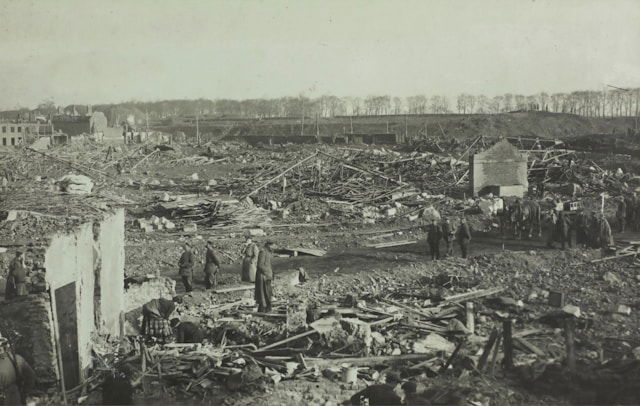
Life after nuclear war would look nothing like the world people know today. Survivors would face constant shortages of food, clean water, and safe shelter. Cities would be destroyed or abandoned, and global trade networks would collapse.
In many regions, people might be forced to live in underground shelters to protect themselves from radiation and contaminated environments. Communities would struggle to grow food or find resources needed for survival.
Experts believe that conflict over remaining supplies could become common as people compete for scarce resources. Governments and institutions that normally maintain order might collapse under the pressure of widespread disaster.
Even for those who survive the initial months of nuclear war, the long-term outlook could remain extremely bleak. Rebuilding societies after such devastation would take decades, if it were even possible.
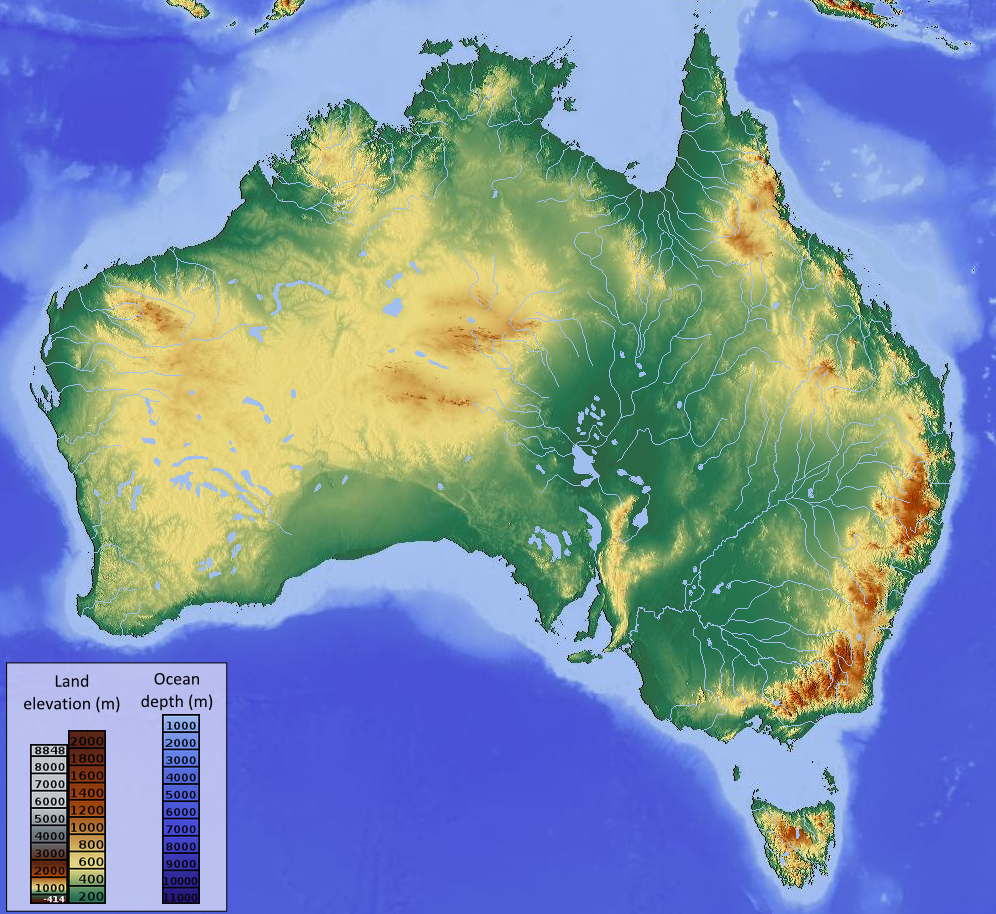
Despite the catastrophic outlook of nuclear war, some research suggests that two countries might have a better chance of sustaining life compared with the rest of the world. According to experts studying climate models and agricultural production, Australia and New Zealand could be among the least affected regions.
Their geographic location plays a major role in this possibility. Both countries are far from many of the major military targets that would likely be hit during a nuclear war. Because of this distance, they might experience fewer direct nuclear attacks.
Another important factor is agriculture. Research indicates that Australia produces large amounts of wheat, which forms a major part of the country’s calorie intake. If international trade collapses during a nuclear war, the country could still rely on domestic food production.
Scientists studying nuclear war scenarios believe that this agricultural capacity could help Australia continue feeding its population even under harsh conditions. Wheat production in particular could provide a crucial source of calories for survival.
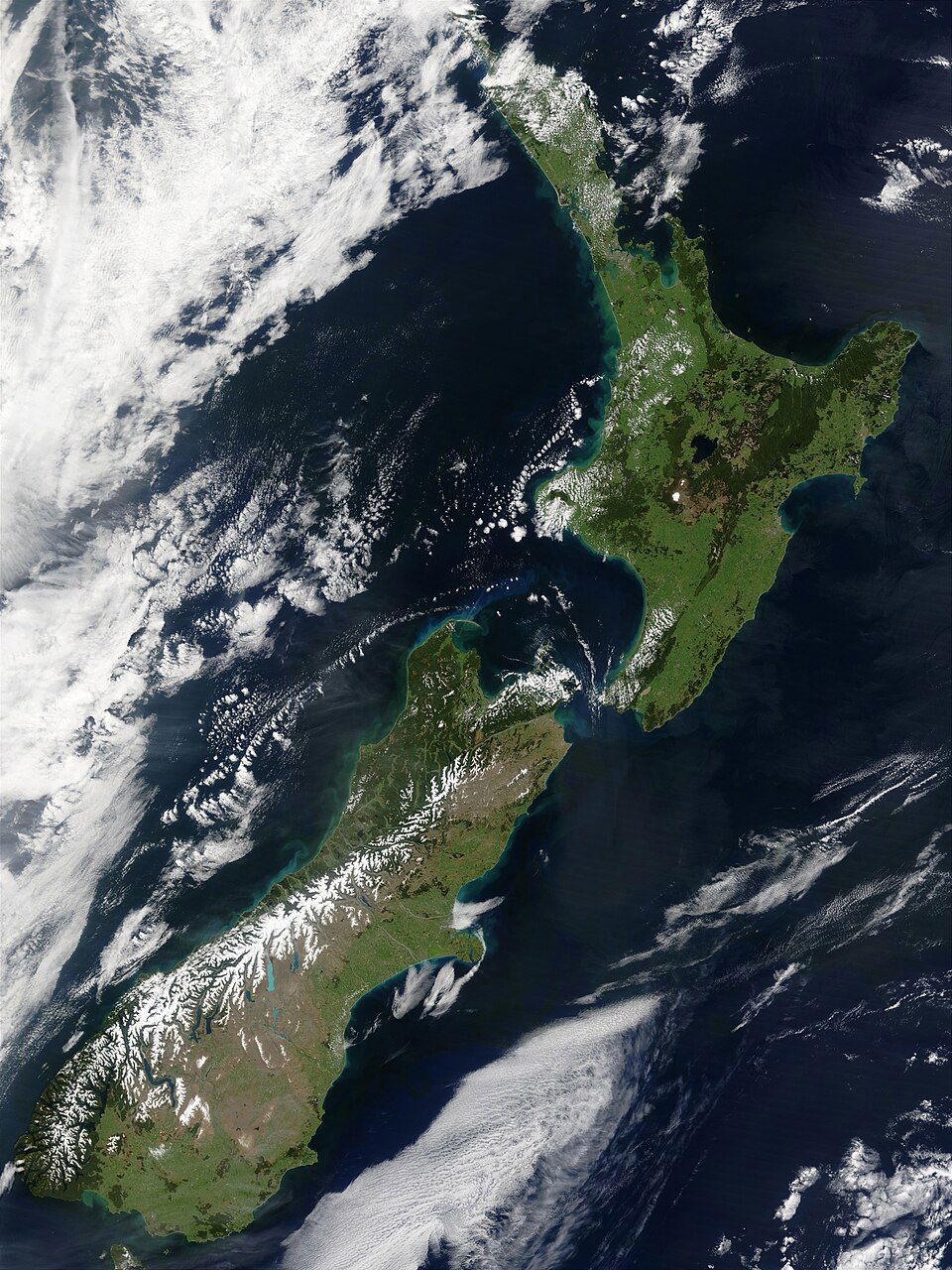
New Zealand may benefit from similar advantages. Its geographic isolation means it could experience less radioactive fallout and environmental damage compared with regions closer to nuclear conflict zones. The country also has agricultural systems that could continue functioning after a nuclear war.
Why location matters in nuclear war
Geography can significantly influence how countries experience the aftermath of nuclear war. Nations located far from major military powers may avoid direct nuclear strikes. Distance can also reduce exposure to radioactive fallout and environmental damage.
Australia and New Zealand are both located in the Southern Hemisphere, far from many of the political and military tensions that exist in the Northern Hemisphere. This isolation could offer some protection during nuclear war.
Climate patterns may also play a role. Scientists studying atmospheric circulation have suggested that some regions in the Southern Hemisphere might experience less severe temperature drops during nuclear winter compared with areas in the north.
However, experts stress that even these countries would not be completely safe from the consequences of nuclear war. Global environmental changes would still affect weather, agriculture, and economic stability.
Even if Australia and New Zealand remain more stable during a nuclear war, they would likely face major challenges. One of the most significant issues could be the arrival of large numbers of refugees.
As people flee devastated regions around the world, countries that remain relatively stable may see a massive influx of migrants seeking safety. Managing such an increase in population would create pressure on food supplies, infrastructure, and resources.
In addition, global trade networks would likely collapse after a nuclear war. Countries that depend on imported goods could struggle to obtain essential materials and equipment.
Even nations with stronger agricultural systems might find it difficult to maintain their economies in a world that has been fundamentally disrupted by nuclear war.
Despite the idea that Australia and New Zealand could fare better than other countries, experts emphasize that nuclear war would still have severe consequences for the entire planet. Radiation, climate change, and economic collapse would reach nearly every region.
John Erath, a senior policy director at the Center for Arms Control and Non-Proliferation, has warned that no location on Earth can be considered completely safe during nuclear war. The contamination of food supplies, water sources, and the environment would affect people everywhere.
Those living near military bases, missile silos, or strategic targets might experience the most immediate danger during nuclear war. However, long-term effects such as radiation exposure and agricultural failure would extend far beyond those areas.
In other words, even if some regions experience fewer direct attacks, they would still face serious challenges as the global system collapses.
The grim scenarios described by scientists highlight the urgent need to prevent nuclear war from ever happening. Unlike natural disasters or asteroid impacts, nuclear war is a human-made catastrophe that can still be avoided.
Experts argue that international cooperation and arms control agreements are essential to reduce the risk of nuclear conflict. Diplomatic efforts to limit the spread of nuclear weapons could play a critical role in protecting future generations.
Humanity currently has the power to prevent nuclear war through political decisions and international collaboration. While global tensions sometimes appear to be increasing, the same technologies that make nuclear weapons possible also give humanity the knowledge needed to understand their devastating consequences.
The possibility of nuclear war remains one of the most serious threats facing the modern world. Scientific research shows that such a conflict could trigger global famine, environmental collapse, and unimaginable human suffering.
Although some regions, such as Australia and New Zealand, might experience fewer immediate effects, no country would truly escape the consequences of nuclear war. Radiation, climate disruption, and economic collapse would transform life across the planet.
The reality described by scientists serves as a powerful reminder of how fragile modern civilization can be. Preventing nuclear war requires cooperation, diplomacy, and a shared understanding of what is at stake.
While the scenario is deeply unsettling, the future is still shaped by the choices nations make today. Avoiding nuclear war may be one of the most important responsibilities humanity faces in the years ahead.


