Orchidsexual Meaning Revealed: What Is This ‘New’ Sexual Orientation?

Orchidsexual is a term that has been gaining attention in discussions about sexual orientation and identity. In its simplest form, orchidsexual describes people who feel sexual attraction to others but do not want to pursue sexual activity or a sexual relationship with them. This idea may feel new or unfamiliar to many, but it has sparked conversation, curiosity, and reflection within LGBTQIA+ communities and beyond.
What does orchidsexual mean?
The most straightforward way to understand orchidsexual is that it refers to people who experience sexual attraction but do not want sexual intimacy or relationships. In other words, the emotional pull of attraction exists, but the urge to act on that attraction in a sexual way does not.
This lack of desire is not something that is chosen or temporary. Instead, it is seen by many as part of how a person naturally experiences their own sexuality. For orchidsexual individuals, the absence of desire to engage in sex or pursue a sexual relationship feels like a consistent part of their identity. This distinguishes it from people who may avoid sex for reasons such as religion, trauma, or temporary preference.
People who identify as orchidsexual may feel that the usual way society understands attraction and intimacy does not fit their internal experience. They might find someone sexually appealing or acknowledge that they feel drawn to a person in a sexual way, yet they do not want to act on that feeling or create a sexual relationship with them.
One key point in the way orchidsexual is defined is that attraction and desire are treated as separate things. A person can notice or recognize attraction without wanting the kinds of interactions that most people associate with that feeling, such as a sexual encounter or relationship.
Orchidsexual is often talked about in connection with the asexual spectrum, which includes a range of experiences regarding attraction and desire. Historically, asexuality has been defined as having little to no sexual attraction. Orchidsexual differs because the person feels sexual attraction but does not want to act on it.
This has led to varying views about whether orchidsexual should be labeled as part of asexuality or seen as a separate experience. Some people accept orchidsexual under the asexual umbrella because the key feature is the absence of desire for sexual activity, which aligns with many asexual experiences. Others argue it is distinct because sexual attraction is present even if the desire for action is not.
Despite these discussions, many people who use the word orchidsexual do so because they feel it describes their lived experience better than broader terms such as “asexual” or “allosexual.” It gives them a specific way to communicate how they relate to sexual attraction and intimacy.
The term orchidsexual was coined in 2021 by a user known as Ringotheman on a wiki page dedicated to LGBTQIA+ identities. Since then, it has spread through online communities and discussions where people share how they identify.
The name “orchidsexual” draws inspiration from the orchid flower, which has long been associated with symbols of love, beauty, and fertility. This symbolic choice highlights a contrast between the idea of attraction and the lack of desire for the sexual relationship that most people might expect to come with that attraction.
Because the term originated in online spaces rather than academic or clinical research, it is considered a microlabel. Microlabels are identity terms that help some people articulate very specific experiences that larger categories might not fully capture. They are part of a growing landscape of language around sexuality that reflects diverse experiences.
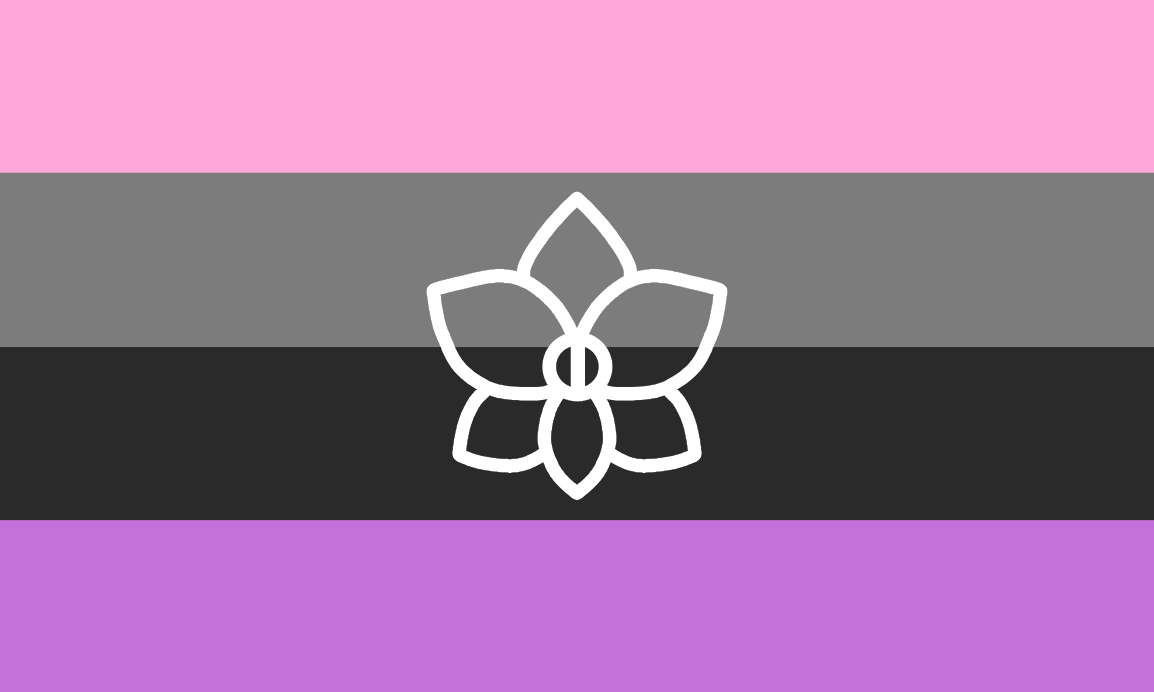
Like many identity labels within LGBTQIA+ communities, orchidsexual has symbols associated with it. A pride flag for orchidsexuality was created that uses specific colors to represent different elements of the identity.
The flag includes pink, gray, purple, and black stripes. Each color has meaning. Pink represents attraction, gray references the asexual spectrum, purple stands for sexual relationships, and black symbolizes the lack of desire for those relationships. An outline of an orchid flower often appears in the design as a nod to the term’s name and its symbolic origins.
Pride flags and symbols like this play an important role for many people. Even when a label is new or not widely recognized outside of certain communities, visual markers can help people feel seen and understood.
View this post on Instagram
For someone who identifies as orchidsexual, everyday experiences might look different from the expectations that come with traditional ideas of attraction and sexuality. Here are a few examples that some orchidsexual people might relate to:
- They might notice someone’s appearance and acknowledge that person is sexually attractive, yet feel no urge to act on that attraction.
- They may enjoy a close emotional connection with partners without wanting sexual intimacy.
- They could find the thought of a sexual relationship unappealing, even if they understand why others might want it.
These experiences can differ widely from person to person. Some orchidsexual people might be comfortable with non-sexual affection, romance, or commitment, while others might prefer less traditional forms of connection. Sampling a variety of stories and perspectives helps make these differences clear.
Because orchidsexual is a relatively new label and because it challenges common assumptions about attraction and intimacy, it has generated discussion and debate. Some people question whether it should be grouped with asexual identities, while others see value in its specificity.
One area of confusion is the difference between orchidsexuality and celibacy. Celibacy generally refers to choosing not to engage in sexual activity, often for personal, religious, or practical reasons. Orchidsexual, on the other hand, is about not having the desire for sexual relationships in the first place, without it being a deliberate choice.
On forums and community discussions, you will find a range of opinions. Some people feel that orchidsexual overlaps with existing identities, while others emphasize that it fills a gap in language that helps them describe their personal experience.
For many individuals, the value of the orchidsexual label lies in clarity and recognition. Words help us make sense of our internal worlds and communicate our experiences to others. When no word seems to fit what someone feels, they may feel unseen or misunderstood.
By naming the specific combination of attraction without desire for sexual activity, orchidsexual gives some people a way to talk about their identity that feels more precise and meaningful than broader categories. That can make it easier for them to connect with others who share similar experiences and to explain themselves in discussions about relationships, dating, and community.
orchidsexual is just one of many labels that describe how people experience attraction, desire, and orientation. Some people might relate to orchidsexual and also identify with other orientations that describe their romantic preferences, such as orchidromantic, which refers to romantic attraction without wanting a romantic relationship.
Other microlabels on the asexual spectrum capture yet different combinations of attraction and desire, and these can help people articulate what feels most accurate for them. Importantly, there is no one right way to identify, and people are free to choose terms that resonate with their personal experience.
Orchidsexual is an identity that highlights the diversity of human experience when it comes to attraction and desire. It suggests that sexual attraction does not always lead to or require sexual desire.
While debate and discussion continue, the term orchidsexual provides a language for many people to share a part of themselves that felt hard to describe before. Whether someone uses this term, another label, or no label at all, the important thing is finding a way to understand and express their own sexuality and identity.
If you feel that orchidsexual might describe your experience, learning about it can be a first step in exploring what feels true and authentic for you. Other resources, community discussions, and conversations with supportive people can also help deepen your understanding.