

Sleeping back-to-back often makes couples wonder what this common position says about their relationship. Many people notice it during quiet nights and start to question whether this habit signals closeness, distance, or something deeper. The truth is usually far simpler and much more reassuring. The way partners sleep can reveal certain aspects of comfort, trust, and personal space, but it rarely reflects the entire emotional landscape of a relationship. When you look more closely at how and why people choose their sleep positions, sleeping back to back becomes a natural and even positive part of many couples’ daily lives.
The topic of sleeping back to back comes up often because sleep is closely connected to emotional presence, physical comfort, and how secure someone feels with their partner. Sharing a bed with someone creates a private world that mixes routine, intimacy, and relaxation. When this shared space changes, even in small ways, it is normal to look for meaning. Yet experts explain that these changes are often connected to comfort and physical needs, rather than hidden emotional messages. Understanding this can bring relief and clarity, especially when someone starts to worry over something that is usually harmless.
Sleep plays a central role in mental and physical well-being, and the relationship between sleep and emotional connection has been studied for years. When you think about how much of life is spent resting, it makes sense that the way people sleep can feel symbolic. Even so, sleeping back to back is incredibly common, especially among partners who have formed stable relationships built on trust. It can express independence while still maintaining closeness. This mixture of connection and personal comfort allows both individuals to relax more fully and sleep better through the night.
The idea that sleeping back to back must signal coldness or emotional distance is a misunderstanding that often creates unnecessary stress.
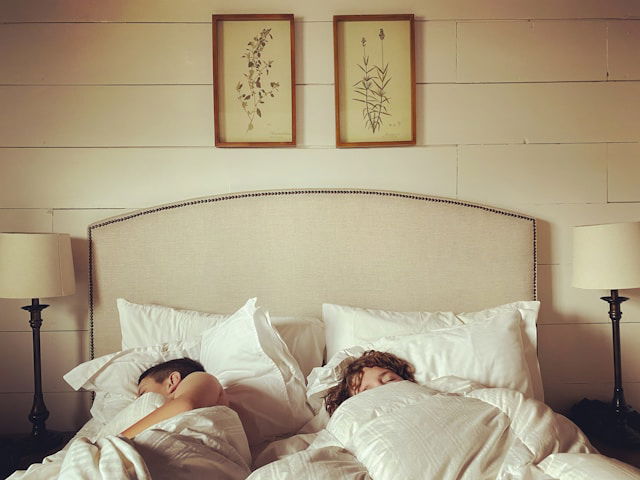
Most people choose a sleeping position that feels natural for their body, not one that expresses their feelings. According to sleep experts, the body naturally shifts to positions that support comfort, breathing, and relaxation. Many adults simply feel most at ease lying on their side, slightly curled, with space around their body. This is not a sign of rejection or withdrawal. It is simply the body settling into the safest and most comfortable position to rest.
Experts in the field of sleep research often mention that sleeping back to back allows couples to relax without needing to hold a specific shared pose throughout the night. While cuddling may feel wonderful at first, it is not always practical for hours at a time. Muscles get tired, arms fall asleep, and body heat becomes uncomfortable. Sleeping back to back allows both partners to rest fully without sacrificing emotional closeness. The sense of connection still exists through shared space, rhythmic breathing in the same room, and the comfort of knowing someone is nearby.
Dr Rebecca Robbins, a respected sleep specialist, has explained that turning away in bed is usually tied to comfort rather than emotional disconnection. People naturally adopt positions that support their preferred sleep habits. For many, this means facing one side of the bed, curving the spine slightly, and creating a small pocket of personal space. This positioning helps the body relax, maintain stable breathing patterns, and prevent unnecessary strain on the neck and back. When someone chooses to sleep back to back, it often has nothing to do with their feelings toward their partner. It is simply how they have trained their body to rest.
Still, the habit of sleeping back to back can shift from time to time. Sudden changes in sleeping patterns may sometimes be connected to stress, discomfort, or emotional concerns. This does not mean something is wrong with the relationship. Instead, it can reflect what is going on in daily life. When someone is overwhelmed, dealing with anxiety, or facing personal challenges, their sleep posture may adjust without them even noticing. The body naturally responds to emotional and physical tension. If a sudden change appears, the best approach is gentle communication, not alarm or suspicion. Partners can talk openly and understand what may be affecting their comfort.
Relationship psychologist Corinne Sweet has described the back-to-back posture as the Liberty position, a common and healthy way couples sleep. She explains that the Liberty position shows a strong balance between closeness and independence. Partners are near each other, sharing the same bed and space, yet they also express the security to relax individually. This combination often appears in stable, confident relationships where both partners trust one another deeply. Sleeping back to back communicates comfort, emotional safety, and mutual respect for personal space.
Studies have revealed that a significant percentage of couples choose sleeping back to back as their natural style. In research shared by the Huffington Post, around twenty-eight percent of couples prefer this exact position, making it the second most popular sleeping style for partners. This high percentage shows that sleeping back to back is not unusual or concerning. It is a normal and widely practiced posture among couples who may be very affectionate during the day but prefer personal space while resting. Many couples in long-term relationships adopt this pattern as a sign of comfort and routine.
When couples sleep back to back, it often suggests an established rhythm in the relationship. The partners know each other well, feel secure in their connection, and trust that the bond does not require constant physical contact to remain strong. Some couples even find that face-to-face sleeping can feel intense for long periods, especially when breathing patterns do not align or when body heat becomes uncomfortable. Sleeping back to back gives both individuals the freedom to breathe comfortably, regulate temperature, and wake feeling refreshed.
Another important aspect of sleeping back to back is the balance between physical closeness and mental independence. Many couples enjoy shared moments of affection before falling asleep, then naturally turn in opposite directions once the body relaxes. This does not signal emotional distance. It shows awareness of personal comfort and the ability to coexist peacefully. Partners who maintain independence while staying emotionally connected often enjoy healthier and more stable relationships. Sleeping back to back can reflect this harmony in a simple but meaningful way.
Sleeping back to back often provides better sleep quality. When bodies are not locked in one position, they can move freely, stretch naturally, and adjust to avoid discomfort. This helps the body recover from the day, ensures healthy circulation, and prevents the stiffness that sometimes appears after hours of cuddling. Couples who adopt this style may wake feeling more rested and more emotionally balanced. Good sleep supports communication, patience, and understanding, all of which strengthen a relationship.
Of course, the meaning of sleeping back to back can differ slightly from one couple to another. Some people appreciate closeness but still crave space to breathe and relax. Others simply grew up sleeping in a particular position and keep the habit as adults. This behavior is not a sign of something missing. It reflects personal comfort, lifestyle habits, and individual preferences. When both partners understand this, sleeping back to back becomes a natural part of their shared routine rather than a source of confusion.
If a partner suddenly begins sleeping further away, it can sometimes indicate stress or emotional strain in their personal life. This does not always relate to the relationship itself. Work pressure, family concerns, physical discomfort, or mental fatigue can all influence the body without conscious intention. In these moments, curiosity and gentle conversation go further than assumptions. Asking how someone feels or whether anything is on their mind often reveals more than overthinking a sleeping position. Communication supports emotional closeness and creates a safe space for both individuals to understand each other better.
Sleeping back to back can become a sign of reassurance when partners trust each other. The comfort of having someone nearby, even without physical touch, supports a peaceful environment where both can unwind. Many couples find that this style becomes their natural resting posture after years together. It represents unity without pressure and closeness without forced contact. This balance becomes stronger over time, especially as both individuals learn to respect each other’s comfort needs.
In the bigger picture, sleeping back to back usually reflects stability and confidence in the relationship. It shows that both individuals feel secure enough to relax without needing constant closeness as proof of affection. When partners understand that affection takes different forms throughout the day, sleep becomes a moment of rest rather than emotional interpretation. This clarity removes unnecessary worries and allows both people to appreciate the comfort of simply sharing space.
Unless sleeping back to back appears alongside clear emotional withdrawal or long-term relationship strain, it should be seen as a natural expression of comfort. The body knows what it needs to sleep well, and sleep habits form slowly over time. A couple that sleeps back-to-back can still be deeply connected, affectionate, and emotionally supportive. In many cases, the habit reflects a healthy relationship where both partners feel at ease.
Sleeping back-to-back reflects much more than a sleeping position. It represents trust, independence, and comfort between partners. Instead of signaling distance, it often shows quiet closeness that does not require constant touch to feel secure. When couples understand the meaning behind this habit, they can relax into their natural sleep style and appreciate the balance it brings to their relationship.


