

Plank hold time can vary widely depending on your age and fitness goals, and understanding plank timing helps you improve core strength safely. In this article, we explore realistic plank durations for different age groups with clear guidance so you know what counts as a strong performance at any stage of life. You will also learn why quality matters more than the clock when it comes to this simple yet powerful core exercise.
A plank is an exercise where you hold your body in a straight line from head to heels while resting on your forearms or hands, similar to the shape of a plank of wood. It works your abdominal muscles and engages your lower back, glutes, shoulders, and legs while building stability for everyday movement. Plank training does not require any equipment and can be done anywhere with a flat surface. It improves posture, core endurance, and mental resilience when performed with steady breathing and correct posture.
Doing plank exercises is accessible to most people and offers benefits that go beyond the gym. Strong core muscles help support your spine during daily tasks like lifting objects, walking upstairs, or sitting for long periods. People who include plank holds in their routine over time often notice improved balance, reduced risk of back pain, and greater confidence in their physical ability.
How Plank Hold Times Change With Age
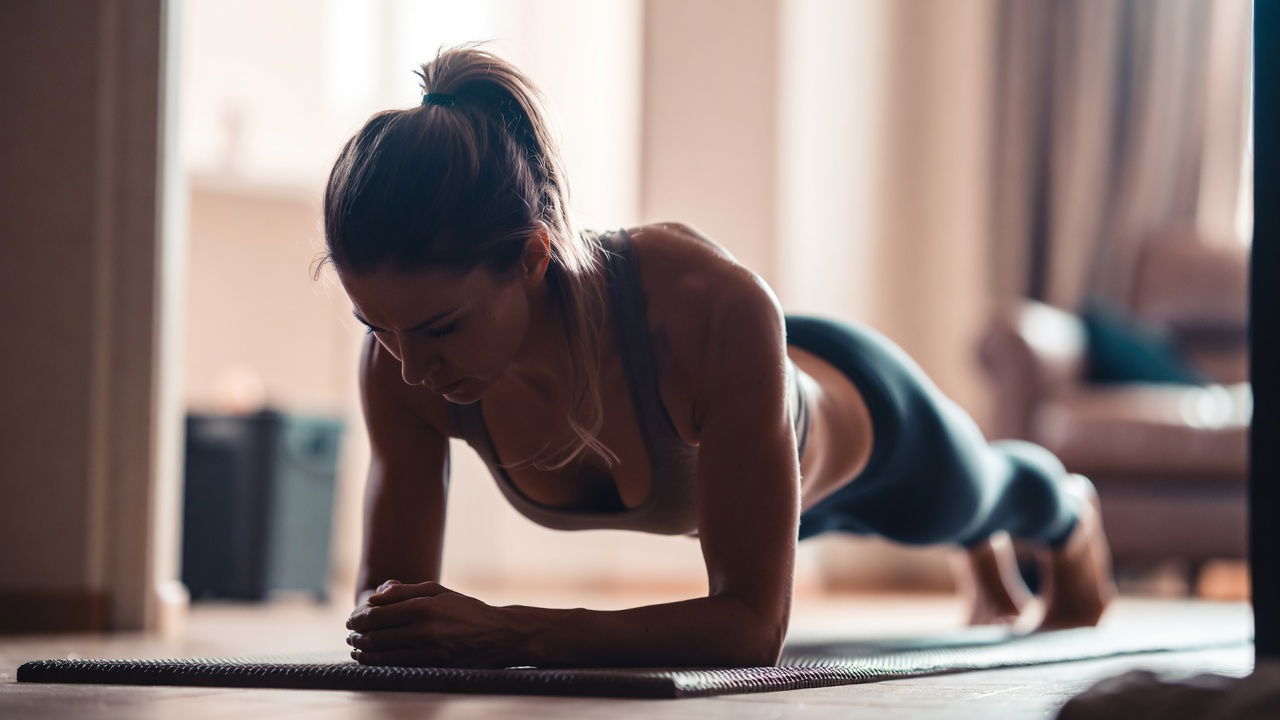
Experts say that age can influence how long you should aim to hold a plank, but the focus should stay on form instead of chasing arbitrary numbers. A plank that looks correct will have your body in a straight line without your hips sagging or your shoulders creeping upward. Poor form reduces the effectiveness of plank holds and increases the risk of strain, especially in the lower back.
Here is a general age-based guideline for how long people should be able to hold a plank while maintaining good form:
- 20s and 30s: Aim to hold a plank between one and two minutes. Many people in this age group can maintain core stability in this range, and it is considered a solid marker of endurance.
- 40s: Holding a plank for about one minute or longer demonstrates respectable trunk stability and adaptability.
- 50s: A 30-second to 60-second plank is a positive achievement and reflects functional core endurance for this decade.
- 60s and above: Plank holds of 20 to 30 seconds with good form are widely considered strong for this age group, especially when adjusted for mobility and strength levels.
These benchmarks help you set realistic plank goals that align with your age while still positively challenging your body.
While knowing average plank hold times by age can be encouraging, the quality of each plank matters far more than reaching a specific time number. Holding a plank with proper alignment engages your abdominal muscles effectively and prevents compensations such as arching your back or lifting your hips too high.
If your hips sink or your shoulders hunch because you are trying to hold a plank for too long, the exercise becomes less effective and can increase your risk of injury. Even experienced exercisers and athletes often benefit from shorter holds with excellent form instead of pushing for long durations that cause fatigue without strength gains.
Fitness professionals often recommend breaking plank training into multiple sets rather than attempting a single prolonged hold. For example, instead of trying to hold one two-minute plank, several shorter sets with perfect posture and core engagement can produce better strength improvements and reduce fatigue.
Progressing your plank performance should feel positive and sustainable. If you are just starting or returning to exercise after a break, begin with a duration that feels challenging but doable without losing form. Many trainers suggest starting with shorter holds and increasing the time gradually as your core strength improves.
Beginners might start with 10 to 20 seconds of plank holds and aim to increase in small increments each week. Intermediate exercisers often work toward holds from 30 seconds to one minute with clean posture. Advanced plank practitioners may challenge themselves with holds up to one to two minutes after mastering core tension and stability.
Listening to your body during progression matters. If you feel pain in your lower back or shoulders, stop the plank and reset. You can also explore plank variations like side plank, high plank, or adding leg lifts to continue building core strength without simply extending hold time.
Plank training offers benefits that reach beyond strengthening the abdominal muscles. Consistent planking improves overall posture by encouraging a neutral spine position. This reduces the likelihood of back strain during daily activities.
Planks also contribute to better balance and stability because they engage multiple muscle groups at once. Glutes, hamstrings, shoulders, and chest muscles all assist in maintaining the plank position. This makes plank training a functional exercise that supports everyday movement and athletic performance.
Studies show that static core exercises like planks can even lower blood pressure and enhance muscle coordination. A strong core helps transfer power between the upper and lower body during lifting, pushing, and pulling movements, making planks valuable for overall physical health.
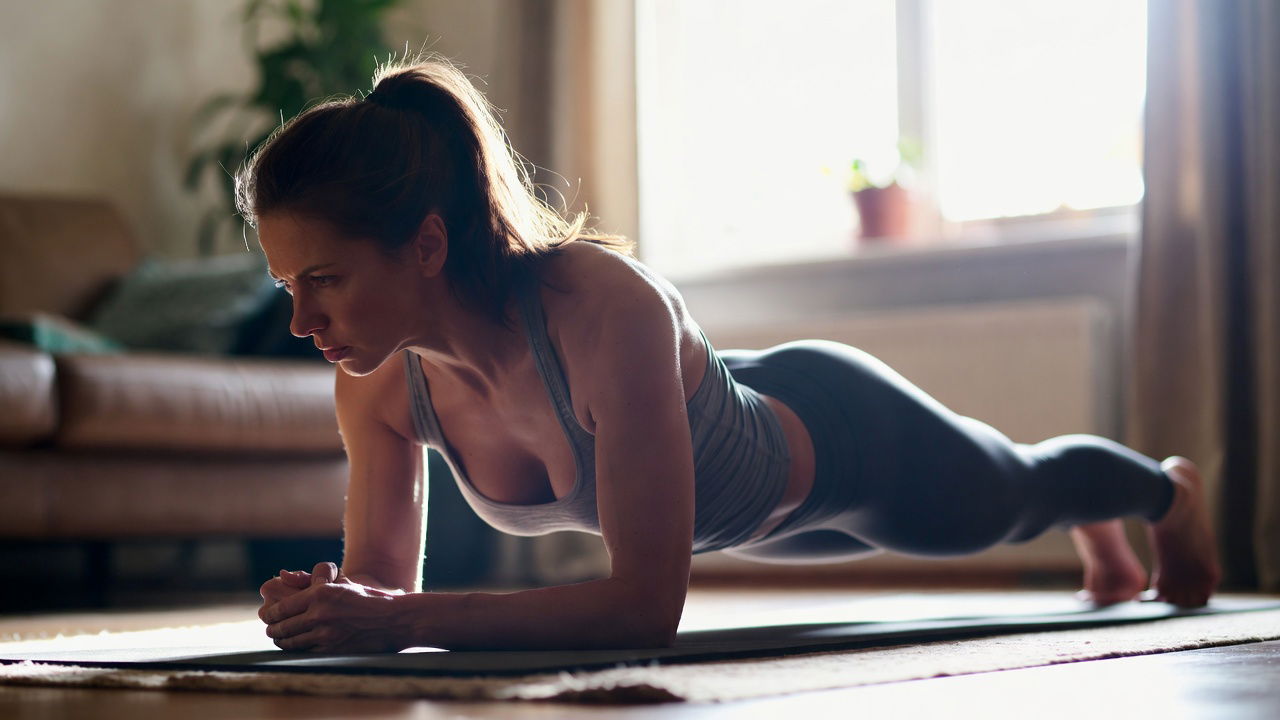
Even though planks are simple in appearance, mistakes are common and can diminish their effectiveness or cause discomfort. One frequent mistake is holding the plank for too long with poor posture. When you try to squeeze in extra seconds just to reach a target time, your hips may sag, or your shoulders may raise, reducing the muscle engagement and increasing stress on your lower back.
Another mistake is forgetting to activate your core muscles fully. Breathing steadily and consciously tightening the abdominals, glutes, and leg muscles helps maintain a strong position throughout the hold.
Beginners sometimes hold their breath during planks, which adds unnecessary tension and can lead to early fatigue. Focused breathing helps you stay in the position longer with better control.
Training your core with planks doesn’t require daily long-duration holds. Many fitness professionals recommend including plank sets in your regular workout routine two to four times per week, depending on your fitness level and overall exercise program.
If you enjoy planking and want daily core engagement, you can focus on shorter sessions with high quality. This could be three sets of 20 to 30 second planks on most days of the week, with rest or light movement on other days to prevent overtraining.
Setting plank goals by age helps you monitor progress and maintain motivation. In your 20s and 30s, pushing toward a one- to two-minute plank with solid form demonstrates positive core strength development.
In your 40s, continuing to hold planks for at least one minute or longer supports stability and posture. In the 50s, aiming for consistent 30 to 60 second holds helps preserve functional strength as mobility changes. For those in their 60s and older, shorter plank holds of 20 to 30 seconds with good technique still provide significant benefits.
These goals offer a framework for improvement without making plank training feel intimidating. Always adjust based on how your body feels and prioritize movement quality over purely hitting longer times.
Understanding how long to hold a plank by age provides helpful context for setting goals, but the heart of plank training is execution quality. A plank held with excellent form recruits your core and supporting muscles more effectively than a long plank performed with sloppy posture. By progressing gradually, listening to your body, and placing focus on correct technique, plank holds become a safe and effective way to build core strength at any age. With patience and consistency, you can enjoy the positive effects of stronger posture, better balance, and enhanced stability throughout your everyday life.


