

Punch the monkey has stirred deep emotion across the world after videos of his early life at a zoo in Japan spread online. The seven-month-old Japanese macaque became well known for clinging to a plush orangutan comfort toy after being abandoned and rejected by his mother and struggling to fit in with the other monkeys. Scientists, caregivers, visitors, and animal experts have now shared their views on what Punch’s long-term prospects might be as he continues to navigate life in a social environment where he remains somewhat apart.
Punch’s story has become more than just an online trend. For many people, it highlights the challenges an infant animal faces when denied a natural start to life. The emotional response has been intense because the scenes of Punch hugging his toy and attempting to connect with other macaques feel painfully familiar to human experiences of rejection. But behind the viral videos, there are real questions about his well-being, his position within the troop, and what the future may hold if other monkeys continue to treat him as an outsider.
What happened to Punch the monkey after birth
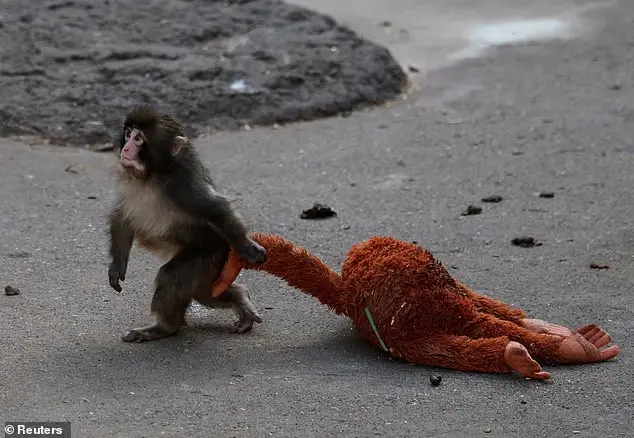
Punch was born in July 2025 at the Ichikawa City Zoo in Chiba Prefecture, Japan. From his first moments of life, he faced a difficult start. According to reports, Punch’s mother rejected him shortly after he was born, leaving him without the essential maternal care that infant macaques rely on to learn vital social skills and survive. Unlike many animals that bond immediately with their caregiver, Punch had no such safety net, and this early abandonment set the stage for his ongoing struggles.
When an infant monkey is rejected by its mother, it misses out on critical emotional and physical development that typically happens through constant contact and interaction. The mother provides not just nutrition but also protection and social cues that help young macaques understand their environment. Without that foundation, Punch was at a disadvantage from the start and required intervention from his keepers to stay alive.
To help compensate for the absence of maternal care, zookeepers provided Punch with a plush stuffed orangutan toy. This toy became his constant companion as he used it in much the same way a young macaque would cling to its mother. This attachment became a defining symbol of his early life and is at the center of why so many people around the world have felt deeply moved by his experience.
As footage of Punch the monkey clutching his cuddly toy was shared across social media, millions of people began watching, commenting, and reacting to his videos. Viewers responded strongly to his vulnerability, seeing in it a reflection of universal feelings of loneliness and the need for connection. The hashtag, often translated as “Hang in there, Punch,” circulated widely as audiences around the world rallied emotionally behind the young monkey.
This surge of attention wasn’t limited to social media. Celebrities and public figures also reacted to Punch’s story with messages of sympathy and support. Some viewers were moved to tears, and others reflected publicly on what Punch’s plight says about resilience, vulnerability, and compassion. For many, the story was heart-rending and impossible to ignore.
The response wasn’t solely emotional either. In some regions, people were inspired to try to acquire the same plush toy Punch clung to, leading to a spike in demand for the orangutan comfort toy that quickly sold out in major retail markets. The public’s fascination extended beyond simply watching videos to actively seeking out items associated with Punch’s journey, making him an unexpected influencer in his own right.
Despite the public’s overwhelming support, Punch’s reality inside the macaque enclosure has been far more complex. Japanese macaques are highly social animals with structured hierarchies, and young monkeys usually learn how to interact through continuous play and care from other troop members. Punch missed out on this early bonding, meaning he had to start from behind in understanding the social behavior expected of macaques.
When zookeepers introduced him to the larger group of macaques, things did not go smoothly. Videos circulated showing other monkeys ignoring him at best and reacting with aggression at worst. In one deeply distressing moment that also went viral, an older monkey was seen dragging Punch roughly, prompting viewers to worry he was being bullied. The scenes raised questions about whether Punch would ever be able to integrate successfully and bond with members of his own species.
Reports indicate that while Punch has faced some hostile interactions, zookeepers have emphasized that none of the older monkeys have displayed sustained or seriously harmful aggression toward him. The caretakers say that the challenges are part of how macaque societies work and that the troop is still being closely monitored to ensure its safety. They also noted that some monkeys have been grooming and interacting with Punch in gentler ways, offering signs he may not be completely isolated forever.
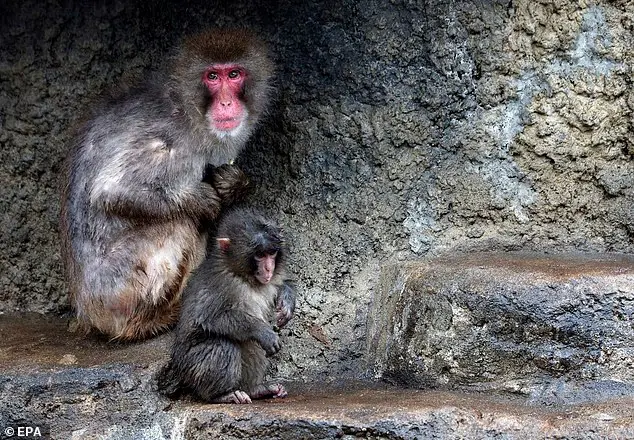
Scientists who study primate behavior have weighed in on the possible long-term consequences for Punch if he continues to face rejection and fails to establish stable social relationships within the troop. One expert, Dr Emily Bethell, Associate Professor in Primate Cognition and Welfare, explained that being excluded from normal social development can have a lasting impact on a monkey’s ability to navigate its social world.
Dr Bethell pointed out that macaques learn essential cues about dominance, play, and cooperation through regular interaction with other members. Without that learning phase, Punch may miss out on opportunities to grow into a confident and socially competent adult. This can lead to long-term challenges, not just emotional stress, but potentially difficulty establishing his place in the group as he matures.
One concern experts have raised is that prolonged isolation could limit Punch’s chances of learning how to respond to social cues and build relationships. In macaque societies, this knowledge is crucial for survival and well-being. If Punch continues to struggle with acceptance, it could influence his ability to integrate into the social structure as he gets older.
However, not all the outlook is negative. Some scientists believe that Punch’s current situation doesn’t have to be permanently detrimental. They point out that male macaques typically leave their original group once they reach maturity. This natural migration could allow Punch to join a new troop later in life, potentially offering a fresh start and more chances for social connection that he didn’t receive early on.
In response to both public concern and expert observations about Punch’s welfare, the Ichikawa City Zoo has issued statements explaining the steps it is taking to make sure the monkeys are healthy and safe. When visitors raised questions about unusual behavior or visible signs like hair loss among the macaques, zookeepers clarified that veterinarians have checked the animals and found no serious health issues, indicating that the troop as a whole is in reasonable condition.
The zoo also acknowledged that some monkeys engage in excessive grooming, which can lead to patches of hair loss, but said this is not indicative of a serious illness. Rather, it is a behavioral pattern common in captive groups of macaques, particularly in colder months. To help with overall troop health, the zoo continues to test and introduce environmental enhancements and additional enrichment tools for play and stimulation.
Zookeepers emphasized that animal well-being remains a top priority and that major changes to the habitat or troop structure could disrupt the social dynamics. For this reason, they are cautious about large alterations, preferring instead to monitor Punch’s integration and adjust care strategies gradually if needed. They have also created hidden retreat spaces where Punch can escape from stress if interactions become overwhelming.
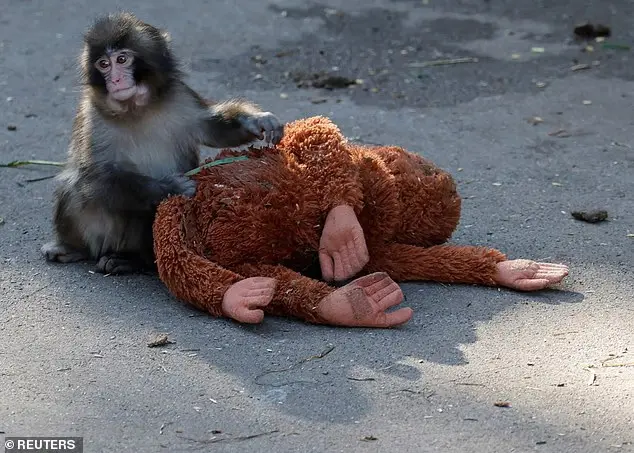
While the story of Punch the monkey has had its heartbreaking elements, more recent updates have offered some hopeful moments as well. Clips shared online show Punch making small strides in social engagement, such as playing with other young macaques or being groomed by fellow monkeys. These interactions suggest he may be gradually finding his place within the complex social web of his troop.
Another positive sign comes from encounters where Punch is seen sharing playtime and comfort with nearby peers instead of retreating only to his plush toy. These moments indicate that while his start in life was undeniably rough, there is potential for him to build meaningful connections, which could reduce the emotional burden of early rejection and isolation.
Visitors to the zoo continue to follow Punch’s story closely, tracking these lighter moments with optimism. The fact that audiences still care so deeply about his development reflects how powerful the narrative has been. People see in Punch not just a viral character, but a living being overcoming hardship, which resonates on a very human level.
Punch’s viral fame has not only drawn support and affection but also sparked broader discussions about animal care, zoo conditions, and how humans respond to animal suffering online. Some observers have criticized zoos in general, arguing that captivity can amplify stress and social issues among animals that would not exist in the wild. Others have debated whether viral interest in Punch’s story helps or harms his well-being, suggesting that sensational attention can sometimes overshadow the practical needs of the animal himself.
Voices are calling for improved conditions or alternative care arrangements for Punch, including petitions and online campaigns urging action. While these efforts have a small number of supporters, they highlight a segment of the public deeply affected by the story and eager to see tangible change. Critics of captivity often cite cases like Punch’s to push for broader reform in how zoos operate and how animals are housed and cared for in human institutions.
Ultimately, Punch the monkey’s journey is about many things: resilience in the face of rejection, the search for connection, and the unpredictable ways that humans project their emotions onto animal behavior. His first months of life have been far from easy, but the global response shows how stories of vulnerability can cut across cultures and bring people together.
Whether Punch’s future holds full acceptance within his current troop, a move to a new group later in life, or continued care from humans, the attention he has received reveals something meaningful about how we see ourselves in other creatures. The conversation around his welfare and development reminds us that compassion can extend beyond our own species and that even the smallest life can make a big impact on a global audience.
The viral story of Punch the monkey will likely continue evolving as he grows and adapts. For now, the world watches with a mixture of sadness, hope, and curiosity, waiting to see what comes next for this remarkable little primate whose challenges and progress have touched so many.


